

The ASTM D4705-18 standard , developed by the American Society for Testing and Materials (ASTM) , describes a test method used to determine the seam tear strength of leather using a double-hole tear. This test method is particularly applicable to lightweight leathers. It is not applicable to wet blue leather.
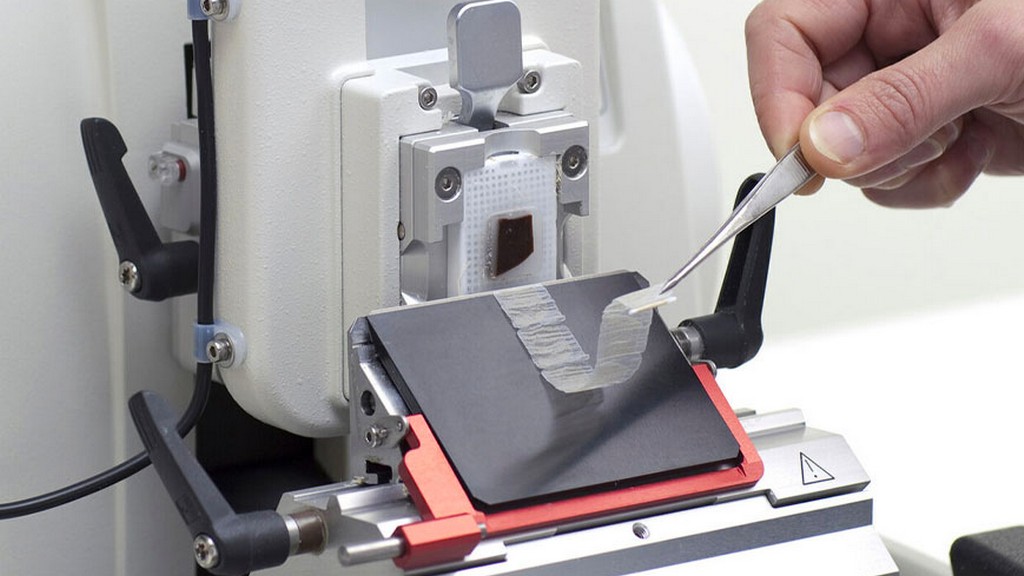
This test method is designed to measure the load required to tear leather through two holes in a test specimen. Tanners and leather buyers have found that this test provides an indication of the resistance of leather to tearing. It is particularly valuable in estimating the strength of leather to withstand the shear stresses encountered in the manufacture of footwear, apparel, and upholstered goods. The thickness of the specimen and the direction of tearing relative to the spine affect the uniformity of the test results. This test method may not be valid if the test conditions used differ significantly from those specified in the test method.
The equipment used in these tests includes:
Unless otherwise specified, the leather sample shall be taken in accordance with “ASTM D2813-03 Standard Practice for Sampling Leather for Physical and Chemical Testing”. The sample shall be in the form of a rectangle of leather, 50,8 mm long and 25,4 mm wide, with two 1,98 mm diameter holes at one end of the sample. The centers of the holes shall be 6,35 mm from the end, 6,35 mm apart, and equidistant from the centerline (longitudinal direction) of the sample. The sample shall be cut so that the long dimension is perpendicular to the spine. All samples shall be conditioned and tested in the atmosphere specified in “ASTM D1610 Standard Practice for Preparation of Leather and Leather Products for Testing”.
The thickness of the specimen is determined to the nearest 0,01 mm near one end on the long axis. The wire is preferably bent over a 6,35 mm rod to form a “U” shape and the ends are passed through holes in the specimen so that both ends protrude from the flesh side of the specimen. Both ends of the wire are clamped in the grip of the testing machine with the jaws closed. The free end of the specimen is clamped in the other grip of the testing machine. The machine is run at a speed of 254 mm plus/minus 50,8 mm per minute until the specimen ruptures. The load recorded by the machine is recorded as soon as the specimen begins to rupture.
At the end of the test, the following are reported:
This test method was designed based on the American Society of Leather Chemists procedure, which has been used for a long time and was approved for publication before requiring the inclusion of precision and bias statements.
Briefly, this test method aims to determine the ability of a material to retain seams or tightened fasteners. The method is applicable to rigid and semi-rigid sheet materials, rubbers and plastics, and leathers used in footwear manufacturing.
Among the numerous tests, measurements, analyses and evaluation studies that our organization has carried out for businesses in various sectors, it also provides testing services defined in the "ASTM D4705-18 Standard test method for leather, double hole seam tear strength" standard with its trained and expert staff and advanced technological equipment.
To get an appointment, to get more detailed information or to request an evaluation, you can ask us to fill in our form and reach you.

