

Developed by Suzuki Motor Corporation as part of its plastics and polymer material standards, the “SES N 3207 POM (polyoxymethylene) engineering plastics” standard describes the requirements, properties, and test methods for POM (polyoxymethylene) engineering plastics used in vehicle components.
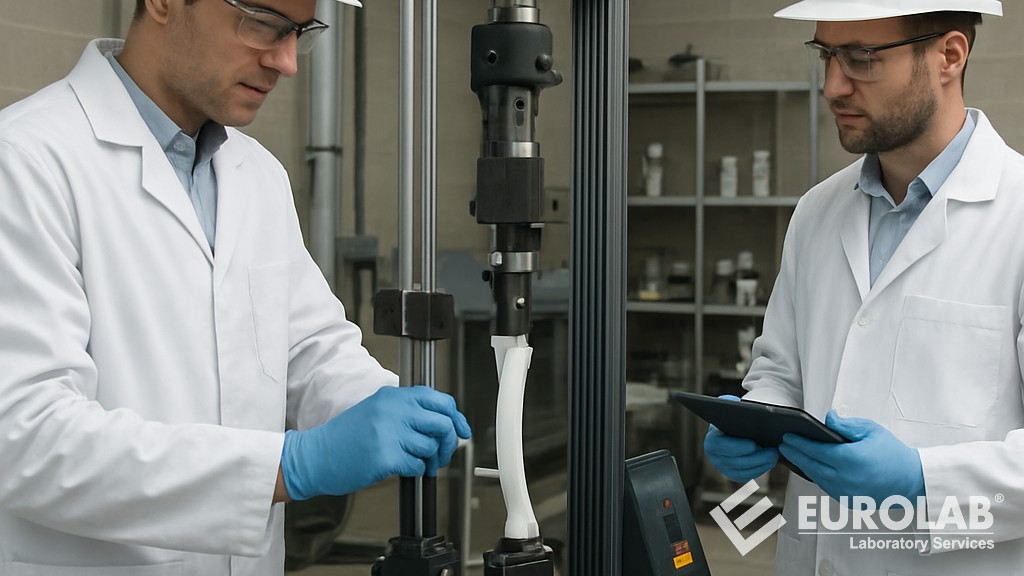
Polyoxymethylene (POM) is a high-performance engineering thermoplastic widely used in automotive engineering and many other industrial sectors. Combining exceptional mechanical properties with good machinability, it is ideal for sensitive components that must withstand mechanical stress and environmental influences.
POM is a semi-crystalline thermoplastic polymer composed of repeating (methanal) units. Its molecular structure gives it the following characteristics:
POM is produced in two main variants:
Polyoxymethylene (POM) material offers several performance advantages that make it a popular choice over traditional materials such as metals and other plastics. The main advantages of POM material for automotive applications include:
In modern vehicle design and manufacturing, POM is found in many systems due to its performance and cost advantages. Typical applications of POM in the automotive industry include:
These parts benefit from POM's durability, wear resistance, and ability to withstand cyclical loads.
Polyoxymethylene (POM) is generally preferred over other materials. POM offers a combination of performance, cost-effectiveness, and manufacturability that is difficult to match:
In conclusion, POM engineering plastics play a vital role in automotive manufacturing by providing durable, precise, and lightweight components. Its unique combination of mechanical strength, wear resistance, and chemical stability supports a variety of applications, from powertrain components to electrical housings and internal mechanisms. As vehicles evolve toward higher performance and stricter emission standards, polyoxymethylene (POM) remains the material of choice for engineers seeking a balance between performance, reliability, and cost.
SES N 3307 is a technical specification used by Suzuki. This standard is part of a series of internal standards that define material requirements, test procedures, and quality criteria for automotive components. This particular standard focuses on test methods and quality requirements for plastic parts, specifically their physical properties and durability.
This standard is often referenced for the following purposes:
The SES N 3307 standard is necessary because it ensures that materials and components meet a vehicle's specific performance, safety, and durability requirements. This standard is considered important for the following reasons:
In conclusion, the SES N 3307 standard exists to ensure that POM or other engineering plastics used in vehicles are safe, reliable, and consistent across suppliers and production batches while meeting the original equipment manufacturers' specific performance requirements.
For many years, our organization, with its competent and experienced team, has been understanding the needs of its clients, providing the advanced testing services they require, and assisting them in the establishment, implementation, and improvement of management systems. Within this framework, we also provide testing services compliant with the SES N 3207 standard.
To get an appointment, to get more detailed information or to request an evaluation, you can ask us to fill in our form and reach you.

