

In the ISO 3597-3 standard developed by the International Standards Organization (ISO), a test method for determining the compressive strength of circular cross section composite rods made of roving reinforced resin is presented. This test method is performed on molded bars or on bars that have been pretreated by immersion in boiling water (or other medium) for a certain period of time. This test method is designed for inspection and quality control of suppositories or to evaluate their suitability for use in a resin system. The results obtained are not intended for generating design data.
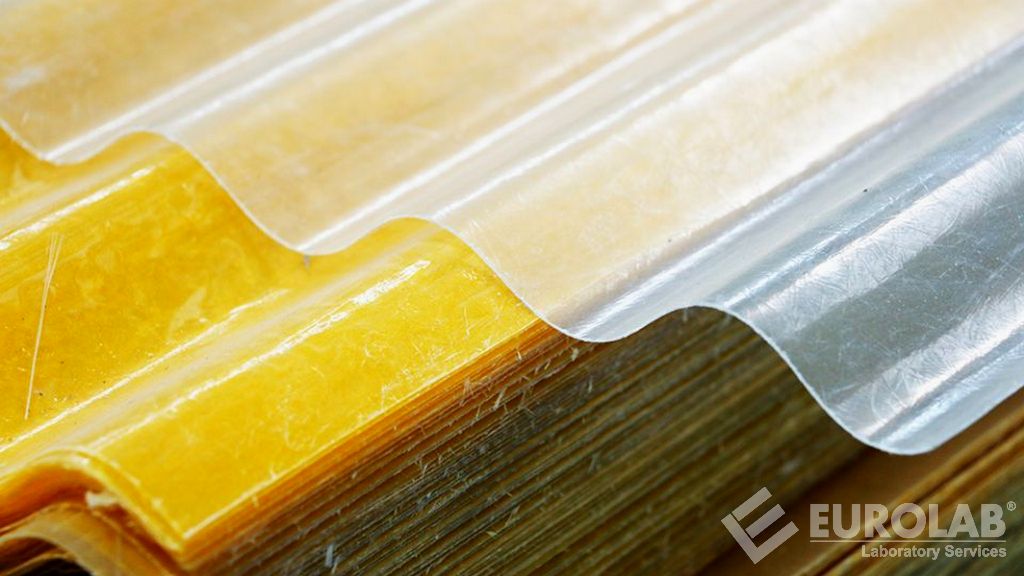
In fact, the ISO 3597 standard consists of the following four parts under the main title "Textile-csam reinforced plastics - Determination of mechanical properties in rods made of roving reinforced resin":
Today, hollow fiber and glass fabrics are produced with special technologies. Fabrics produced on the basis of non-woven materials and hollow fibers are used as reinforcement material in the production of lightweight glass-reinforced plastics, which are 20-30 percent lighter by maintaining the same strength properties. Filtering fabrics are designed for high-temperature filtration of industrial exhaust gases with a temperature of up to 300 degrees. Filter nets are used to filter molten aluminum and its alloys.
A new high performance hybrid material has been developed with the combination of glass fiber reinforced plastic. This material has advantages such as high strength, durability, surface quality and low cost production.
Fiber reinforced plastic is a composite material made from a polymer matrix. The fibers are usually glass, carbon, aramid or basalt. The polymer is usually an epoxy, vinyl ester or polyester thermoset plastic, although phenol formaldehyde resins are still used.
Among the numerous tests, measurements, analyses, and evaluations our organization provides for businesses in various sectors, we also offer services for determining compressive strength, a mechanical property in glass-reinforced plastics and rods made of filament-reinforced resin, within the scope of the ISO 3597-3 standard, thanks to our trained and expert staff and advanced technological equipment.
To get an appointment, to get more detailed information or to request an evaluation, you can ask us to fill in our form and reach you.

