

The European standard "EN 13279-1 Gypsum binders and gypsum plasters - Part 1: Definitions and requirements" describes the properties and performance of gypsum binder-based powder products for construction purposes. These products include premixed gypsum construction plasters for plastering internal walls and ceilings of buildings, where they are applied as a finishing material that can be decorated.
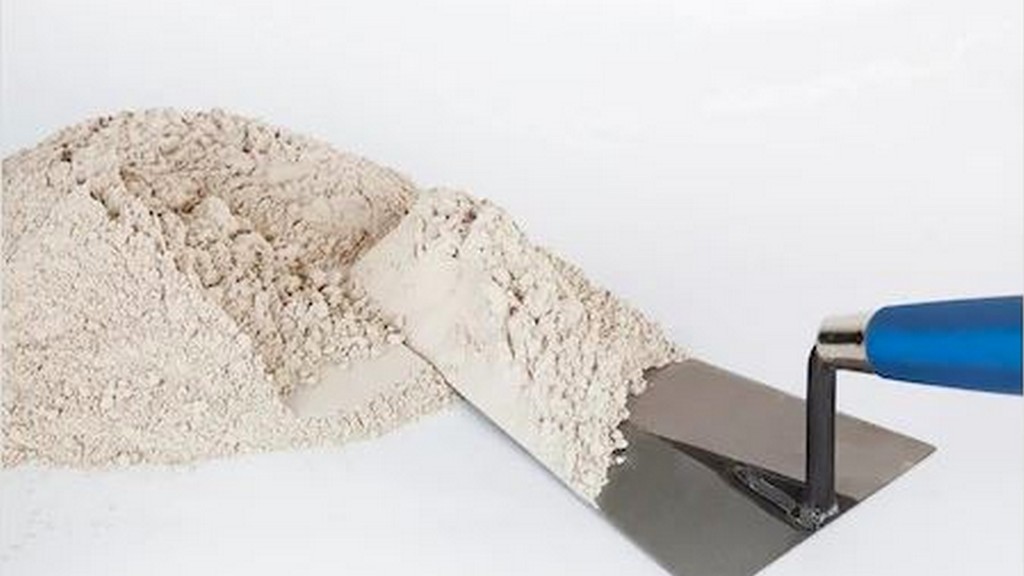
These products are specifically formulated to meet application requirements through the use of additives, aggregates and other binders. They include gypsum and gypsum-based construction plasters for manual and mechanical applications.
The standard is valid both for direct site use and for gypsum binders for further processing into gypsum blocks, gypsum boards, fibre-reinforced gypsum boards, gypsum fibre plasterwork and gypsum ceiling elements. Gypsum mortar for non-load-bearing internal partitions that are not exposed to water is also within the scope of this standard. However, calcium sulphate used as a binder for floor screeds is not within the scope of this standard.
This European standard defines reference test methods for technical specifications and enables the conformity of products within the scope of this standard to be assessed.
Building lime as calcium hydroxide can be used as an additional binder together with the gypsum binder. If the gypsum binder is the main active binder component in a plaster, then the plaster falls within the scope of this standard. If building lime is the main active binder component in a plaster, then the plaster falls within the scope of the standard “EN 998-1 Specification for masonry mortars - Part 1: Plasters and plaster mortars”.
The requirements depending on the end-use conditions in the EN 13279-1 standard are explained as follows:
Among the numerous testing, measurement, analysis and evaluation studies carried out for businesses in various sectors, our organization also provides testing services defined in the standard “EN 13279-1 Gypsum binders and gypsum plasters - Part 1: Definitions and requirements” with its trained and expert staff and advanced technological equipment.
To get an appointment, to get more detailed information or to request an evaluation, you can ask us to fill in our form and reach you.

