

The “TSH1513G Paint Film Fade Resistance – Friction Fastness” standard, a Toyota engineering standard, is a specialized test standard developed as part of engineering specifications to evaluate automotive paints and coatings. This standard is part of a broader series of standards that primarily address paint quality, durability, and performance requirements for vehicle interior and exterior components.
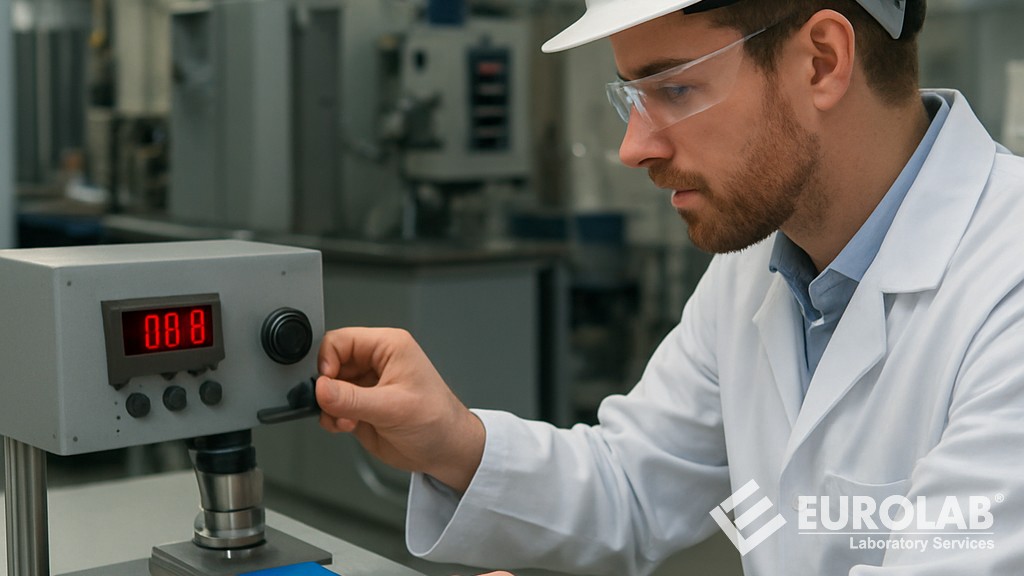
The described method specifically evaluates a paint film's resistance to fading (color change or deterioration) when subjected to friction or mechanical abrasion. It assesses how well the painted surface withstands repeated frictional contact without significant loss of color, gloss, or material integrity. This is important for parts that are subject to frequent human contact or cleaning, such as those listed below:
The test simulates real-world wear and tear from friction (e.g., from hands, clothing, or cleaning materials) and measures resistance to fading, chalking, or other surface deterioration.
The TSH1513G standard is frequently referenced in Toyota's quality specifications, along with related paint film evaluation methods. Commonly used related standards include:
Together, these standards provide a comprehensive assessment of the durability and performance of paint.
These standards are included in documents relating to the following topics:
In the automotive industry, painted surfaces must maintain their appearance and functionality throughout the life of the vehicle. Friction resistance testing helps to ensure this:
Independent testing laboratories typically apply the TSH1513G standard as part of the original equipment manufacturer (OEM) approval processes for components supplied to Toyota or its affiliates.
In short, the TSH1513G standard defines an internal engineering test method developed to evaluate the fade resistance of paint films, specifically their resistance to color transfer or fading due to friction. This standard focuses on friction fastness, that is, the ability of a painted surface to maintain its color and appearance when subjected to friction or repeated contact with other materials. This is particularly important for interior automotive parts and decorative painted components that are frequently touched, cleaned, or rubbed during normal vehicle use.
The primary purpose of the TSH1513G standard is to verify that paint coatings applied to automotive parts maintain their visual quality and structural integrity when subjected to friction. Paint surfaces inside a vehicle, such as trim panels, instrument panels, and decorative parts, can be subjected to repeated mechanical contact from hands, clothing, cleaning cloths, or other surfaces. If the coating has poor friction resistance, it can lead to:
By applying the TSH1513G standard test method, manufacturers can determine whether a coating system is suitable for automotive applications and whether it will maintain its appearance throughout the vehicle's lifespan.
The TSH1513G standard test method evaluates the color fastness of paint films under controlled friction conditions. In the test, a painted sample is subjected to repeated friction using a standardized friction device and a specified contact material (typically gauze or fabric). This process simulates the mechanical contact that occurs in everyday vehicle use.
The basic aspects of this procedure typically include the following in general:
For example, some Toyota specifications, referencing the TSH1513G standard, specify a frictional motion of approximately 100 mm with repeated cycles under controlled pressure to evaluate color transfer or fading after friction.
After the test, the paint film and scouring pad are examined to determine the following:
The TSH1513G standard is widely applied to evaluate coatings used in automotive interior and decorative parts, including the following:
This standard is frequently referenced in Toyota paint quality specifications where multiple paint performance tests are required, such as the TSH3130G Paint Quality for Interior Parts and TSH3131G Paint Quality for Exterior Parts standards.
The Toyota TSH1513G standard plays a crucial role in ensuring the long-term visual quality and durability of painted automotive surfaces. This standard helps manufacturers in the following areas:
By identifying coatings with insufficient friction resistance early in the development process, manufacturers can modify formulations or processes before components enter mass production.
In conclusion, the TSH1513G standard is a crucial test method designed to measure the abrasion fastness and fade resistance of automotive paint films. By simulating repeated mechanical contact, it ensures that painted surfaces retain their color, coatings, and overall appearance throughout the life of a vehicle. This standard contributes to maintaining high standards of durability, reliability, and aesthetic quality in modern automotive components.
For many years, our organization, with its competent and experienced team, has been understanding the needs of its clients, providing the advanced testing services they require, and assisting in the establishment, implementation, and improvement of management systems. Within this framework, we also provide testing services compliant with the TSH1513G standard to businesses.
To get an appointment, to get more detailed information or to request an evaluation, you can ask us to fill in our form and reach you.

