SES N 3130 Structural Coated Steel Plate
Developed by Suzuki Motor Corporation as part of its standards for cast iron and iron-based materials, the “SES N 3130 Structural Coated Steel Plate” standard describes the properties, quality requirements, and operating conditions of coated structural steel plates used in automotive and industrial applications. This standard is particularly critical for parts requiring a combination of corrosion resistance and mechanical strength.
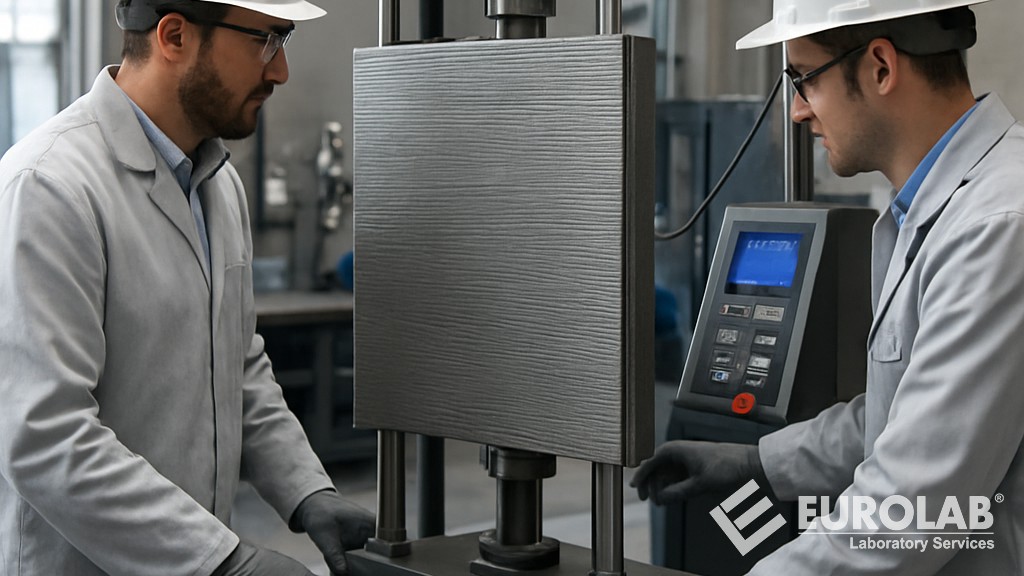
The use of structurally coated steel plates in the automotive industry is about combining strength, durability, and corrosion resistance in actual vehicle parts.
Engineers primarily select the correct coated steel based on the following criteria:
- Required strength (load-bearing vs. non-load-bearing)
- Exposure to corrosion (lower body vs. interior)
- Moldability requirements
Typical options include:
- Galvanized: General corrosion protection.
- Galvanneal: Improved paint adhesion.
- Zinc-aluminum coatings: Higher corrosion resistance.
Steel plates are supplied in coils or sheets, then,
- Shaping is done by laser cutting or molding.
- CNC cutting is used for precise geometries.
The following points are important:
- The coating should not be excessively damaged.
- Tool wear must be monitored (the coating is abrasive).
The forming/pressing process is where the plate is transformed into an automotive part:
- Deep draw
- Bending
- Stamping
Typical parts include:
- Base panels
- Reinforcement brackets
- Cross elements
Coated steel is preferred for the following reasons:
- It exhibits good ductility.
- The coating retains its adhesive properties during shaping.
Common joining methods include:
- Spot welding (most common in automotive)
- MIG/MAG welding
- Adhesive bonding (typically used in conjunction with welding)
Coating (especially zinc) affects weld quality.
The next stage is surface treatment and painting. Even if the steel is coated, additional protection is applied:
- Cleaning / degreasing
- Phosphating
- E-coating (electrophoretic staining)
- Top coat paint
Parts undergo quality control checks before being installed in vehicles.
- Coating thickness measurement
- Adhesion test
- Corrosion test (salt spray)
- Mechanical testing
Typical automotive applications of structurally coated steel plate include:
- Structural parts:
- Chassis reinforcements
- Cross elements
- Side impact beams
- Fuselage (BIW):
- Base panels
- Poles (A, B, C)
- Ceiling structures
- Corrosion-critical areas:
- Wheelbases
- Lower body panels
- Side skirts
The use of structurally coated steel plates enables the following:
- High strength (safety)
- Corrosion resistance (longer vehicle life)
- Cost efficiency compared to stainless steel.
- Compatibility with mass production
The SES N 3130 standard is one of Suzuki's material standards and generally covers zinc-coated (galvanized), aluminum-zinc coated, and organically coated structural steel sheet materials.
This standard
- Material chemical/mechanical properties
- Coating type and thickness
- Surface quality
- It defines testing and quality criteria.
Coating is the most critical part of this standard:
- Provides corrosion protection.
- It extends the life of the vehicle.
- It can reduce the need for paint.
This standard generally includes the following tests:
- Coating thickness test
- Salt spray corrosion test
- Tensile test
- Bending test
- Adhesion test
SES N 3130 materials are used especially in the following parts:
- Exterior and semi-exterior parts:
- Door interior panels
- Fender supports
- Luggage compartment floor
- Chassis and structural components:
- Lower body
- Chassis reinforcement elements
- Areas susceptible to corrosion:
- Wheelbases
- Undercoats
Coated steel is essential for these parts because they are exposed to water, salt, and mud.
The SES N 3130 standard is essential because it ensures that coated structural steels used in automotive applications perform consistently, safely, and durably across all suppliers and production lines. This standard is considered important for the following reasons:
- It guarantees structural safety: Automotive parts made from coated steel are generally load-bearing:
- Chassis reinforcements
- Base structures
- Side impact elements
This standard provides:
- Defined yield strength and tensile strength.
- Reliable impact performance
- It provides corrosion resistance: Cars operate in harsh environments: rain, humidity, road salt, mud, and debris. This standard defines the following:
- Minimum coating weight/thickness
- Corrosion performance (salt spraying, etc.)
- It ensures consistent production: Automotive production is high-volume and automated. This standard ensures the following:
- Stable formability
- Predictable resource performance.
- Reduced manufacturing defects
- Supplier standardization (global supply chain): Automobile manufacturers source materials from multiple suppliers worldwide. With this standard,
- All suppliers adhere to the same specifications.
- This allows for easier replacement of materials.
- Improves vehicle durability and warranty performance: Corrosion is one of the biggest long-term problems in vehicles. This standard ensures:
- Long-term corrosion protection performance
- Reduced maintenance and recalls.
- Ensures paint and coating compatibility: Coated steels must be compatible with automotive paint systems. This standard defines the following:
- Surface quality
- E-coating and paint system compatibility.
The SES N 3130 standard is required because it ensures the following:
- Safety: Reliable structural performance
- Durability: Long-term corrosion resistance
- Manufacturability: Stable shaping and welding.
- Consistency: The same quality from all suppliers.
- Cost efficiency: Optimized material usage.
Consequently, without the SES N 3130 standard, it is not possible to have predictable, durable, and safe coated structural steel parts in vehicles.
For many years, our organization, with its competent and experienced team, has been understanding the needs of its clients, providing the advanced testing services they require, and assisting them in the establishment, implementation, and improvement of management systems. Within this framework, we also provide testing services compliant with the SES N 3130 standard.



