

The European standard “EN 14509 Self-supporting double-skinned metal faced insulation panels – Factory-made products – Specification” describes the requirements for factory-made, self-supporting, double-skinned metal faced insulation sandwich panels designed for coffered installation in the following applications:
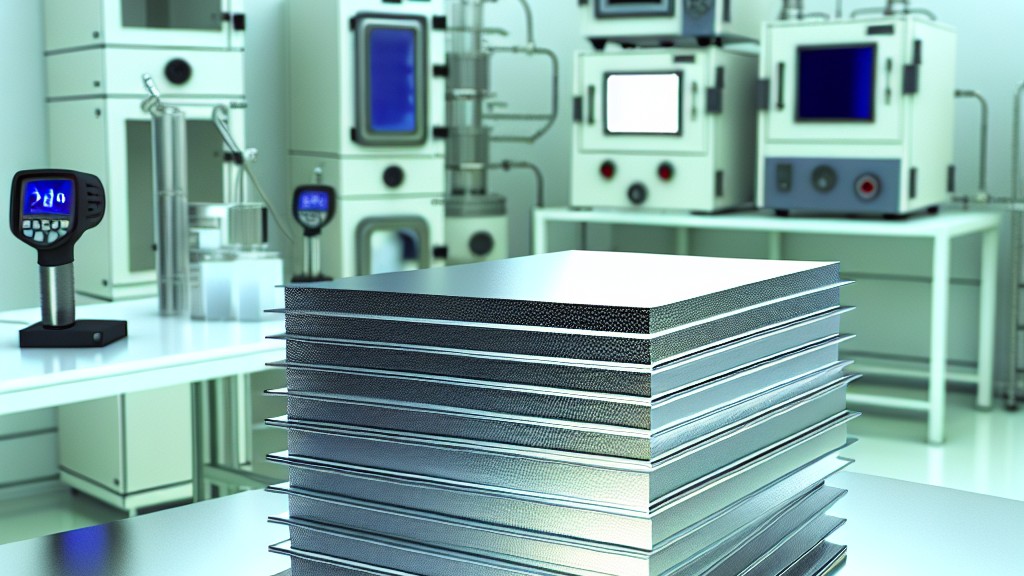
Insulation core materials covered by this standard are rigid polyurethane, expanded polystyrene, extruded polystyrene foam, phenolic foam, cellular glass, and mineral wool. Polyurethane (PUR) includes polyisocyanurate (PIR).
Panels with edge details that use different materials than the main insulation core are included in this standard. Also panels used in cold storage applications are included in this standard. Panels marketed as components of a cold storage room, building or building envelope kit are covered by “ETA-Guide 021 Cold storage facility kits”.
This standard does not cover:
For the purposes of this standard, the following terms and definitions apply:
The product shall be manufactured with materials and components that comply with this standard. Steel coatings (excluding stainless steel) shall have a yield strength of at least 220 N/mm2 and shall comply with the requirements of the relevant standard specified in the table provided in the standard. Organic protective coatings shall be selected according to their durability in the application environment. Steel sheets with organic coatings shall comply with the requirements of EN 10169-1, EN 10169-2 and EN 10169-3 standards. Multilayer coatings shall comply with EN 508-1 standard. The panel manufacturer shall specify the metal class, thickness and tolerance system of each face. Thickness tolerances shall be according to special or normal tolerances as described in the relevant standards. The thickness of steel coating sheets shall be determined according to EN 10143 standard. However, not all steels specified in the table are suitable for sandwich panels in all intended end uses.
Stainless steel surfaces must have a minimum yield strength of 220 N/mm2. The chemical composition and physical properties of stainless steel surfaces must comply with EN 10088-1. The panel manufacturer must specify the metal class, thickness and tolerance system of each surface. Thickness tolerances must be according to special or normal tolerances as described in the relevant standards. The thickness of steel cladding sheets must be determined according to EN ISO 9445.
Not all steels in EN 10088-1 are suitable for sandwich panels in all intended end uses. The coating properties of terne coated stainless steel shall comply with EN 502. The nominal coating mass shall be the total mass including both sides and shall be at least 40 g/m2.
Aluminium surfaces shall have a minimum design value of 0,2 N/mm140 at 2 percent strain limit (yield strength). The chemical composition, temper and mechanical properties of the aluminium shall be in accordance with EN 485-2 or EN 1396. Aluminium sheets with organic coatings shall comply with the requirements of EN 1396. The panel manufacturer shall specify the metal grade, thickness and tolerance system of each face. Thickness tolerances shall be according to special or normal tolerances as described in the relevant standards. The thickness of aluminium cladding sheets shall be determined in accordance with EN 485-4 or EN 1396. However, not all aluminium alloys covered by EN 485-2 or EN 1396 are suitable for sandwich panels in all intended end uses.
Copper surfaces must have a minimum design value of 0,2 N/mm180 at the 2 percent strain limit (yield strength). The chemical composition, temper, mechanical properties and thickness tolerances of copper surfaces must comply with EN 1172.
Our organization, which has been trying to support businesses from every sector with its testing, measurement, analysis and evaluation studies carried out in a wide range for years, has a strong staff that closely follows the developments in the world in the field of science and technology and constantly improves itself. In this context, testing services in accordance with the "EN 14509 Self-supporting double-walled metal surface insulation panels - Factory-made products - Features" standard are also provided to businesses.
To get an appointment, to get more detailed information or to request an evaluation, you can ask us to fill in our form and reach you.

