

The standard "ASTM D5225 Standard Test Method for Measurement of Solution Viscosity of Polymers by Differential Viscometer," published by the American Society for Testing and Materials (ASTM), describes a test method for determining the solution viscosity of polymers using a differential or modified differential viscometer. This test method is applicable to all polymers that completely dissolve to form time- and temperature-stable solutions without chemical reaction or degradation. Test results are generally expressed as specific viscosity, intrinsic viscosity (limiting viscosity number), intrinsic viscosity (logarithmic viscosity number), or relative viscosity (viscosity ratio).
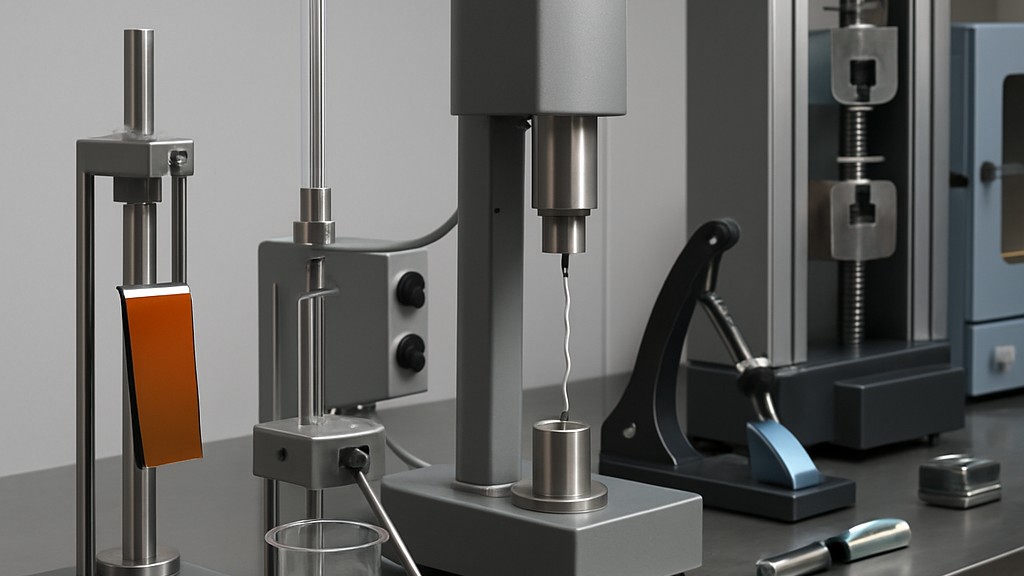
Since multiple types of viscometers are available for measuring differential pressure, it is necessary to follow the manufacturer's instructions appropriate to the equipment used.
Solution viscosity values can be compared with those obtained using a glass capillary according to the ASTM D2857 standard test method. This test method differs from the glass capillary in that the solvent and solution are compared simultaneously during the test run. In glass capillaries, each solution must be referenced to the solvent run in the same capillary at the same temperature.
Solution viscosity values for polymers are related to the average molecular size of the polymer moiety dissolved in the solvent.
For the purposes of this standard, the following terms and definitions apply:
In the world of materials science and polymer engineering, precise measurement of a polymer's properties is vital for ensuring quality, performance, and consistency in manufacturing processes. One of the key properties is solution viscosity, which provides information about the molecular weight and structure of polymers. ASTM D5225 includes a standardized method for this measurement. This standard has become an indispensable tool for researchers, quality control laboratories, and manufacturers in a variety of industries, from plastics to pharmaceuticals.
ASTM D5225 standard defines a test method for determining the solution viscosity of polymers dissolved in solvents. It is designed for polymers that dissolve completely, forming time- and temperature-stable solutions, without undergoing chemical reactions or degradation. The method is versatile and applicable to a wide variety of polymers, including polyolefins, polyesters, and specialty resins used in coatings, adhesives, and fibers.
Key limitations include its inability to apply to polymers that gel, precipitate, or react with solvent.
Solution viscosity is an indicator of the average molecular size of the dissolved polymer fraction and is directly related to the molecular weight distribution, which is a critical factor in polymer performance. For example,
Compared to traditional glass capillary methods (e.g., ASTM D2857), the ASTM D5225 standard offers efficiency advantages. For example, the solvent and solution are tested simultaneously, minimizing errors due to temperature fluctuations or instrument drift. This is ideal for automated laboratories handling high sample volumes.
Viscosity parameters, their explanations and general areas of use are as follows:
These parameters, as specified in this standard, allow for flexible reporting based on the needs of the application.
The key instrument used in these tests is the differential viscometer, which measures the pressure difference between solvent and polymer solution streams. Several types are available, so this standard recommends following the equipment's specific instructions. Essential components include a pump for consistent flow, a temperature-controlled bath, and detectors that measure pressure or refractive index changes. Calibration with standards such as polystyrene in toluene is recommended for accuracy.
Polymer samples should be representative of the batch, typically at a concentration of 0,1–2 percent in solvent (e.g., toluene for polystyrene). This standard emphasizes complete dissolution and stability without particulates or degradation.
The testing process typically includes the following steps:
This method differs from capillary methods, where separate runs for solvent and solution introduce potential inconsistencies.
As a result, the ASTM D5225 standard represents a cornerstone in polymer characterization, combining traditional viscometers with modern automation for faster, more reliable results. As polymers continue to drive innovation in sustainable materials and advanced composites, standards like these ensure the reliability and reproducibility of scientific data.
Our organization, which has been serving for many years and meticulously following global developments in science and technology, employs a skilled team and extensive infrastructure to conduct testing, measurement, and analysis in a wide range of areas for businesses across all sectors. In this context, we also provide testing services in accordance with the ASTM D5225 Standard Test Method for Measuring Solution Viscosity of Polymers by Differential Viscometer.
To get an appointment, to get more detailed information or to request an evaluation, you can ask us to fill in our form and reach you.

