

The ASTM D4663 Standard Test Method for the Determination of Hydrolyzable Chloride of Isocyanates of Polyurethane Raw Materials, developed by the American Society for Testing and Materials (ASTM), describes a test method for determining the hydrolyzable chlorine content of toluene-2,4-diisocyanate, toluene-2,6-diisocyanate, or mixtures of both. This test method can also be applied to other isocyanates with suitable solubility.
The main sources of hydrolyzable chlorine in isocyanates are carbamoyl chloride and dissolved phosgene. Both of these compounds react with alcohols and water to form ureas, carbamates, carbon dioxide, and hydrochloric acid.
The described test method may be applicable to crude polymeric isocyanates. However, the sensitivity regarding crude polymeric isocyanates has not yet been determined. There is no equivalent ISO standard in this regard.
In short, the ASTM D4663 standard, used for determining the hydrolyzable chlorine content of isocyanates, includes a standard test method for determining the hydrolyzable chlorine content in isocyanates used as raw materials in polyurethane production. This standard is widely used by chemical manufacturers, polyurethane producers, and quality control laboratories to ensure the purity and performance of isocyanate materials.
The primary purpose of the ASTM D4663 standard is to measure the amount of hydrolyzable chlorine present in isocyanates such as:
Hydrolyzable chlorine is an important impurity because it mainly originates from:
These compounds readily react with moisture and alcohols to produce hydrochloric acid and other byproducts that can affect the chemistry of polyurethane.
Even trace amounts of hydrolyzable chlorine can negatively affect polyurethane production:
Because polyurethane systems are highly sensitive to raw material purity, manufacturers regularly monitor for hydrolyzable chlorine as part of incoming material inspection.
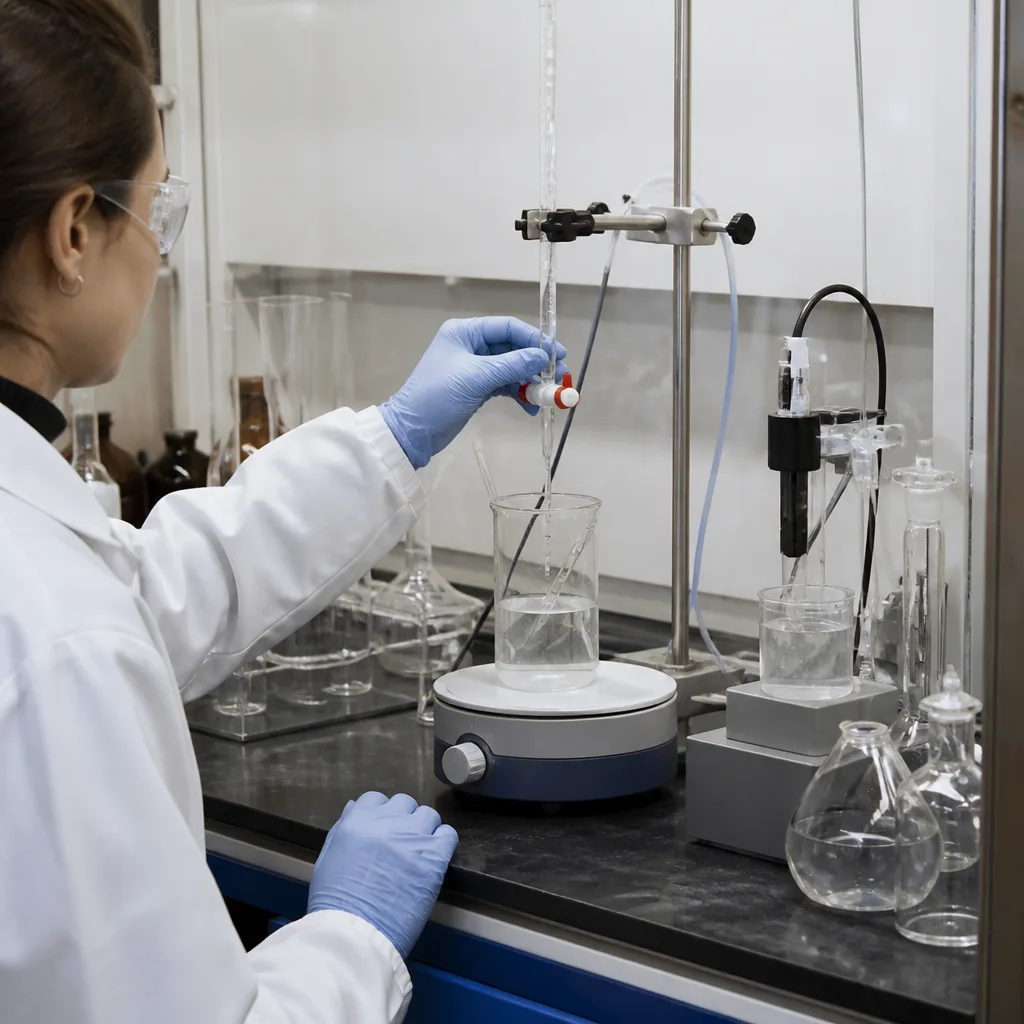
The ASTM D4663 standard is based on the chemical conversion of hydrolyzable chlorine into chloride ions via hydrolysis. Generally, this test method follows these steps:
This method is primarily designed for the following materials:
The ASTM D4663 standard is typically used in:
Many industries rely on the ASTM D4663 standard. These include the following industries:
These sectors require consistent polyurethane properties. Therefore, raw material quality verification is crucial.
The ASTM D4663 standard plays a vital role in quality control by assisting manufacturers in the following areas:
Hydrolyzable chlorine levels can be correlated with the performance of specific polyurethane systems, making the test valuable for both research and routine production control.
Using the ASTM D4663 standard offers several advantages:
There is no ISO standard equivalent to ASTM D4663. However, recent revisions to this standard indicate that the method is the same as that in “ISO 15028 Plastics - Aromatic isocyanates used in the production of polyurethane - Determination of hydrolyzable chlorine”, allowing internationally operating organizations to use compatible procedures.
The described test method involves hazardous chemicals, including reactive isocyanates and laboratory reagents. Personnel must:
This standard places the responsibility on users to establish appropriate safety, health, and environmental practices before testing takes place.
In conclusion, the ASTM D4663 standard is a crucial analytical standard for evaluating the hydrolyzable chlorine content of polyurethane isocyanate raw materials. By identifying reactive chlorine impurities that can interfere with polyurethane chemistry, this standard helps manufacturers maintain raw material quality, optimize production processes, and ensure the performance and durability of polyurethane products. Its widespread adoption in the polyurethane industry supports consistent quality control, increased production reliability, and compliance with international testing practices.
For many years, our organization, with its competent and experienced team, has been understanding the needs of its clients, providing the advanced testing services they require, and assisting them in the establishment, implementation, and improvement of management systems. Within this framework, we also provide testing services in accordance with the ASTM D4663 standard.
To get an appointment, to get more detailed information or to request an evaluation, you can ask us to fill in our form and reach you.

