

The IEC 60811-100 standard published by the International Electrotechnical Commission (IEC) describes the general requirements applicable to all test methods given in certain chapters, unless otherwise stated. A detailed explanation is given in the introduction of the standard. In addition, full information on the relationship between the current and previous series is given in the annex to the standard (Annex A). While the IEC 60811 series was being revised, the principle of one test - one piece was adhered to.
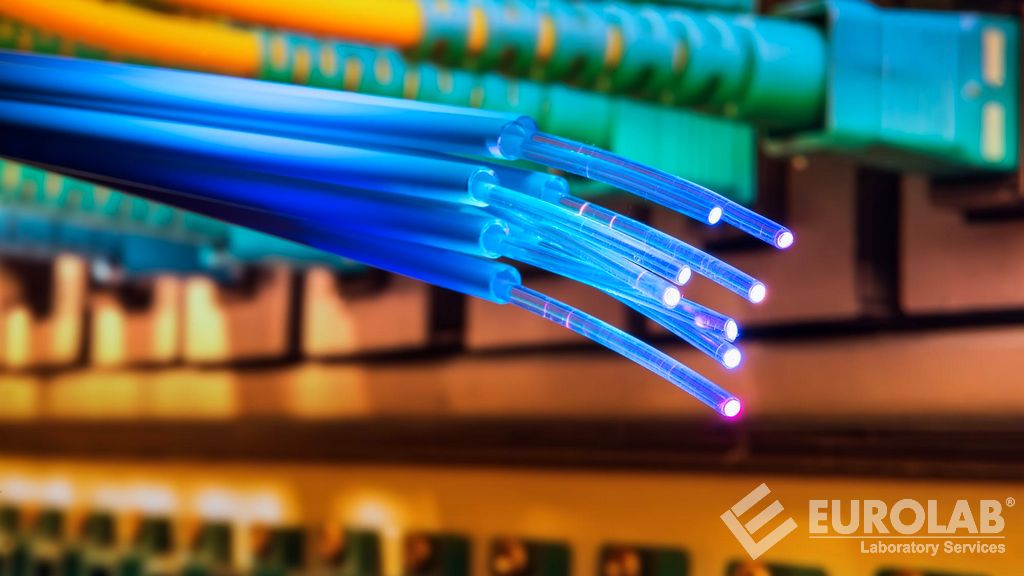
The IEC 60811 series of standards describes the test methods applied to test non-metallic materials of all types of cables. These test methods are intended to be referenced in standards for cable construction and cable materials. Non-metallic materials are generally used for insulation, sheathing, bedding, filling or taping inside cables.
The test methods of the IEC 60811-100 standard are considered fundamental and have been used for many years mainly for materials in all power cables. It has also been widely adopted and used for other cables, particularly fiber optic cables, communication and control cables, and cables in ships and offshore applications.
Each test method is included in a separately numbered section within the standard. These relevant sections are listed in the table provided in the standard appendix (Appendix A), together with the corresponding clauses from the previous version.
Non-metallic materials are increasingly replacing metals in applications that require corrosion resistance, reduced weight, specific wear properties or low production costs. However, such materials still require special consideration in an asset maintenance program. Because non-metallic material identification is more detailed than metallic material identification due to the complex molecular structures in such materials. Many rubber, composite, and plastic samples are less than 60 percent by weight of the specified material type, the remainder being various mineral and non-mineral fillers.
Among the numerous test, measurement, analysis and evaluation studies it provides for businesses in various sectors, our organization also provides testing services for non-metallic materials such as electrical and fiber optic cables within the scope of IEC 60811-100 standard, with its trained and expert staff and advanced technological equipment.
To get an appointment, to get more detailed information or to request an evaluation, you can ask us to fill in our form and reach you.

