

Developed by Suzuki Motor Corporation under metallic material standards, the “SES N 3107 Steel Pipe Specification” standard refers to steel pipe specifications used in automotive applications. This standard describes the technical requirements for steel pipes/tubes used in Suzuki vehicles, particularly in structural and fluid transport systems.
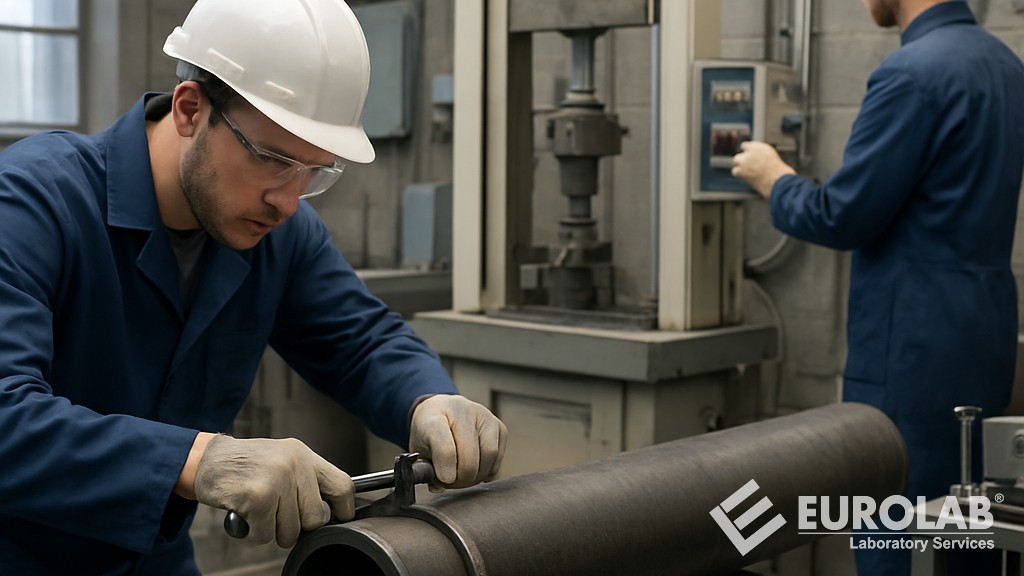
In automotive manufacturing, steel pipes are indispensable components for both the safety and functionality of the vehicle. Many critical systems operate thanks to these pipes. For example, steel pipes enable the transport of various liquids and gases within the vehicle.
Leaks in these systems create serious safety risks. Steel pipes withstand high pressure, ensuring safe transportation.
Furthermore, the operation of safety systems depends on the steel pipes conforming to standards. This is especially true for braking systems.
Steel pipes are pressure resistant and minimize the risk of bursting or cracking.
Steel pipes also exhibit high temperature resistance. An exhaust system is unthinkable without steel pipes.
Because steel is highly resistant to heat, it is non-flammable and resistant to deformation.
The SES N 3107 standard generally covers steel pipes (seamless or welded). The areas of application for this standard are as follows:
Within the scope of material requirements, this standard specifies the following:
Within the scope of dimensional requirements, this standard specifies the following:
Typical industrial piping sizes are defined as follows:
The SES N 3107 standard distinguishes between the following manufacturing methods:
It also includes the following:
Typical mandatory tests from the SES N 3107 standard are defined as follows:
Upon completion of the tests, a factory test certificate is prepared and traceability records are compiled.
SES N 3107 standard pipes are used in the following areas:
The SES N 3107 steel pipe standard is necessary because steel pipes in vehicles are critical components in terms of safety and performance. Without a strict standard, even small differences in pipe quality can lead to serious failures. This standard is considered necessary for the following reasons:
The SES N 3107 standard ensures that pipes can withstand the following:
Without this standard, assembly problems and malfunctions increase.
This standard requires the following:
These tests reduce the risk of malfunctions in real-world use.
It allows the following:
In conclusion, the SES N 3107 standard is necessary because it protects vehicle safety, ensures durability, and guarantees consistent, high-quality steel pipes across all suppliers and applications.
Essentially, the SES N 3107 standard is a comprehensive quality and performance standard for steel pipes used in automotive manufacturing, ensuring reliability under mechanical, thermal, and environmental stresses.
For many years, our organization, with its competent and experienced team, has been understanding the needs of its clients, providing the advanced testing services they require, and assisting them in the establishment, implementation, and improvement of management systems. Within this framework, we also provide testing services compliant with the SES N 3107 standard.
To get an appointment, to get more detailed information or to request an evaluation, you can ask us to fill in our form and reach you.

