SES N 3233 EPDM Rubber Materials
Developed by Suzuki Motor Corporation as part of its rubber and elastomer material standards, the “SES N 3233 EPDM rubber materials” standard is an automotive material standard that defines the requirements, properties, test methods, and operating conditions for EPDM (ethylene propylene diene monomer) rubber components used in vehicles.
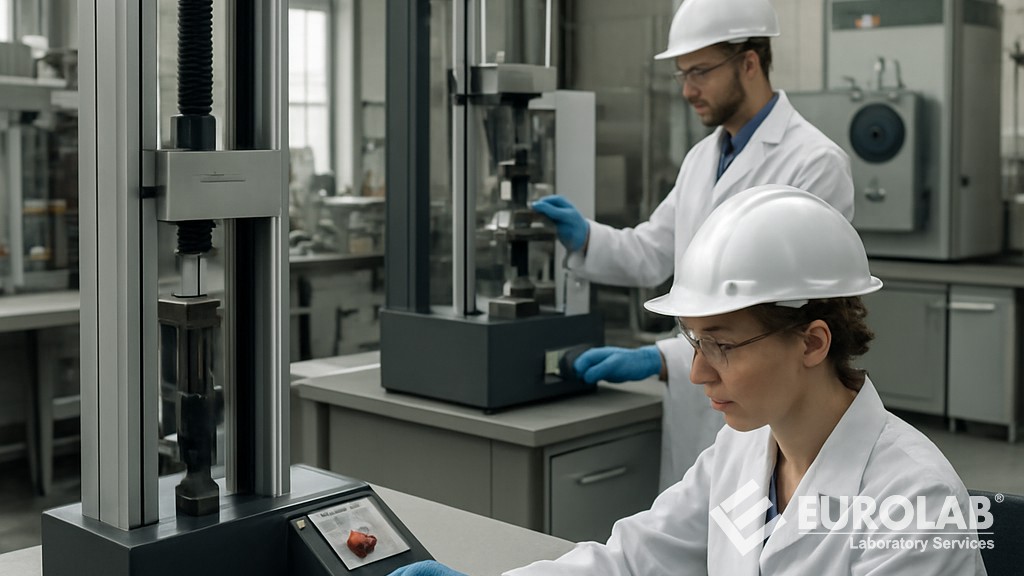
The use of EPDM (ethylene propylene diene monomer) rubber materials in the automotive industry involves selecting the correct formulation, designing suitable components, and verifying performance according to the SES N 3233 standard.
In the automotive industry, EPDM is generally used in the following areas:
- Sealing applications (primary use): EPDM is widely used where air, water, dust, and noise sealing is required. Typical components include:
- Door seals (airtight strips)
- Window seals
- Trunk and hood seals
Usage is as follows:
- They are designed as extruded profiles (continuous rubber shapes).
- It is mounted on the sides of the body.
- It provides a flexible compression seal.
EPDM is excellent for outdoor use because it is resistant to UV rays, ozone, and weathering.
- Cooling system components: EPDM is commonly used in engine cooling systems. Its applications include:
- Radiator hoses
- Heater hoses
- Expansion tank connections
Usage is as follows:
- Molded or reinforced rubber hoses.
- It is often combined with textile reinforcement for compressive resistance.
EPDM provides excellent resistance to hot water and coolant, as well as to thermal aging.
- Gaskets and O-rings: Used for static and semi-dynamic sealing. Applications include:
- Engine compartment gaskets
- Brake system seals (with compatible fluids)
- HVAC systems
Usage is as follows:
- Compression molded parts.
- It is installed between two surfaces to prevent leakage.
EPDM is not suitable for oils and fuels, therefore it is not used in fuel systems.
- Electrical insulation and cable protection: EPDM is used as an insulating and protective material. Its applications include:
- Cable cases
- Battery insulation components
Usage is as follows:
- Extruded coatings around the wires.
- Flexible protective cases.
EPDM exhibits good dielectric properties and high temperature resistance.
- Vibration and noise control (NVH): EPDM helps reduce noise, vibration, and harshness. Applications include:
- Rubber fasteners
- Insulation pads
- Zodiac signs (in low load situations)
Usage is as follows:
- It is molded into flexible damping components.
- It absorbs vibrations between metal parts.
EPDM parts are commonly manufactured in the following ways:
- Extrusion: Gaskets, airtight strips
- Compression molding: Gaskets, O-rings
- Injection molding: Complex shapes
- Co-extrusion: Multi-material gaskets (EPDM and metal/plastic carriers)
When using EPDM in automotive parts:
- Material selection:
- The hardness level is selected (e.g., 50–80 Shore A).
- The formulation is selected according to temperature, chemical exposure, and mechanical load.
- Environmental resistance: Ideal environments for which it is suitable:
- Water, steam, UV
- Oils, fuels, and hydrocarbons should be avoided.
- Tests (according to SES N 3233 standard):
- Aging resistance
- Ozone resistance
- Compression permanent deformation
- Tensile strength
EPDM is preferred in the automotive industry for the following reasons:
- Long service life (10-20 years in sealing systems)
- It retains its flexibility over time.
- It performs in extreme climates.
- It has high cost effectiveness compared to high-performance elastomers.
For example, a car door seal:
- It is produced from extruded EPDM.
- It is mounted around the door frame.
- It gets stuck when the door closes.
- It prevents water leaks and wind noise.
In short, EPDM rubber is a synthetic elastomer made from a compound of ethylene, propylene, and a diene. It is widely used due to its excellent resistance to heat, ozone, weathering, and chemicals.
The basic properties of EPDM rubber materials are as follows:
- Temperature range: Approximately -50 degrees to +150 degrees.
- High resistance to UV and ozone, water and steam, and aging and environmental effects.
- Good electrical insulation and flexibility.
The SES N 3233 standard typically covers the following:
Material classification of EPDM grades.
- Physical and mechanical requirements (hardness, tensile strength, elongation)
- Thermal and environmental resistance
- Chemical resistance (to coolants, brake fluids, etc.)
- Aging and durability tests
- Quality control and verification procedures
EPDM materials, as defined in the SES N 3233 standard, are commonly used in the following:
- Door and window sealing systems
- Air seal strips and trunk seals
- Radiator and cooling hoses
- Gaskets and O-rings
- HVAC sealing components
- Cable insulation and protective coatings
EPDM is particularly preferred in vehicles because it maintains its flexibility and performance even under harsh outdoor and thermal conditions.
In the automotive industry, the SES N 3233 standard is considered important for the following reasons:
- Durability and long service life: EPDM is resistant to cracking, oxidation, and aging, providing long-lasting sealing performance.
- Environmental resistance: Vehicles operate in extreme conditions (heat, cold, UV exposure). EPDM provides stability in all climates.
- Safety and reliability: Critical components such as seals and hoses must prevent leaks (air, water, coolant). This standard ensures consistent performance.
- Global quality consistency: Ensures part compatibility and interchangeability by defining uniform requirements among suppliers.
- Cost efficiency: By providing high-quality materials, it reduces failure rates, warranty issues, and maintenance costs.
In conclusion, EPDM rubber materials are used in the automotive industry for the following purposes:
- Design of gaskets, hoses, seals and insulation parts.
- Production via extrusion or molding.
- Selection of formulations according to environmental and mechanical requirements.
This standard provides:
- High performance under extreme conditions.
- Reliable sealing and insulation.
- Long-term durability and safety.
This standard plays a vital role in maintaining vehicle quality, safety, and lifecycle performance.
For many years, our organization, with its competent and experienced team, has been understanding the needs of its clients, providing the advanced testing services they require, and assisting them in the establishment, implementation, and improvement of management systems. Within this framework, we also provide testing services compliant with the SES N 3233 standard.



