
SES N 3203 Polyethylene Materials

SES N 3203 Polyethylene Materials

Developed by Suzuki Motor Corporation as part of its standards for plastic and polymer materials, the “SES N 3203 Polyethylene Materials” standard describes the technical requirements, quality criteria, and test methods for polyethylene (PE)-based materials used in the automotive industry. This standard was specifically designed to ensure that plastic materials are reliable, durable, and compatible in both interior and exterior vehicle applications.
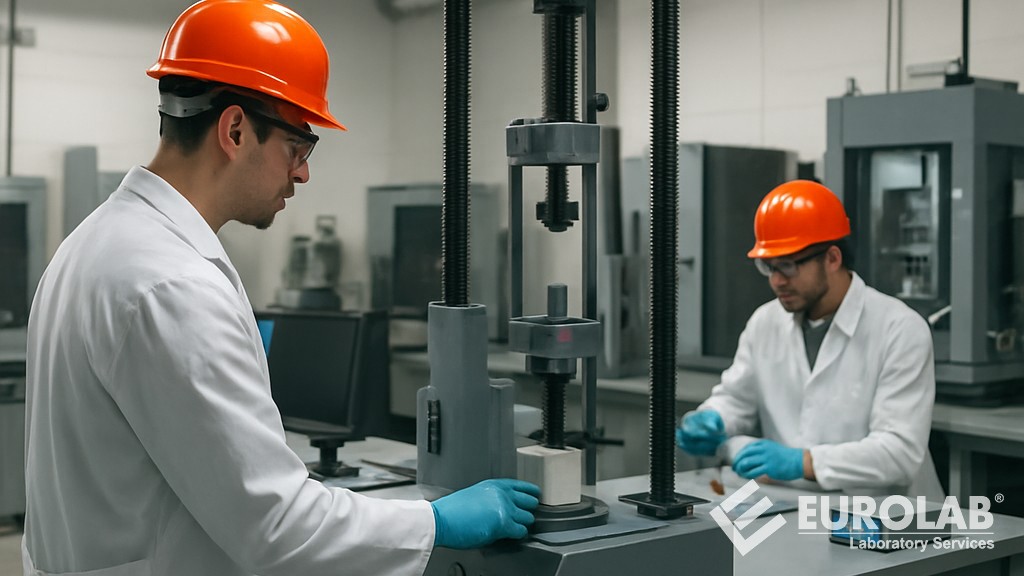
SES N 3203 Polyethylene Materials

Polyethylene (PE) is one of the most widely used thermoplastic polymers in the automotive industry due to its versatility, cost-effectiveness, and balanced performance characteristics. As manufacturers continue their pursuit of lightweighting, durability, and sustainability, polyethylene has become an indispensable material in both structural and non-structural vehicle components.

Polyethylene is a polymer derived from ethylene monomers and is divided into various types according to density and molecular structure:

  • High-density polyethylene: High strength and rigid structure.
  • Low-density polyethylene: Flexible and impact-resistant.
  • Linear low-density polyethylene: Improved tensile strength and puncture resistance.
  • Ultra-high molecular weight polyethylene: Exceptional abrasion resistance.

Each type offers specific advantages that allow engineers to tailor the materials to different automotive applications.

Polyethylene materials are valued in the automotive industry due to several important properties:

  • Mechanical performance:
  • Good impact resistance, especially at low temperatures.
  • Sufficient tensile strength for non-structural components.
  • Flexibility
  • Chemical resistance:
  • Excellent resistance to fuels, oils, and automotive fluids.
  • Low moisture absorption
  • Strong resistance to corrosion and environmental stress cracking (with appropriate formulation)
  • Thermal properties:
  • Moderate heat resistance
  • Suitable for applications not exposed to extreme temperatures.
  • Electrical insulation:
  • Its excellent dielectric properties make polyethylene ideal for cable insulation.

Polyethylene is used in a wide variety of automotive systems:

  • Fuel and fluid systems:
  • Fuel tanks (typically made of HDPE via blow molding)
  • AdBlue / chemical storage tanks
  • Coolant reservoirs
  • Liquid transfer pipes and hoses

These applications take advantage of polyethylene's chemical resistance and low moisture permeability.

  • Internal components:
  • Trim panels
  • Coating parts
  • Trunk interior panels
  • Seat filler films
  • Cable insulation and protective sheaths
  • Packaging and protective covers during assembly.
  • Exterior and underbody parts:
  • Fender inner trims
  • Protective covers
  • Exit shields
  • Protective covers and housings
  • Water and chemical storage components

These parts benefit from polyethylene's impact resistance and durability in harsh environmental conditions. Plastics play a critical role in the automotive industry because they reduce vehicle weight, thereby lowering fuel consumption.

Polyethylene is compatible with a variety of high-volume production methods:

  • Blow molding: Used for hollow parts such as fuel tanks.
  • Injection molding: Used for precision components.
  • Rotational molding: Used for large, complex hollow structures.
  • Extrusion: Used for pipes, films, and profiles.

These processes enable cost-effective mass production with consistent quality.

The advantages of polyethylene materials in automotive design are as follows:

  • Weight reduction: Polyethylene is significantly lighter than metals, which contributes to reduced vehicle weight and improved fuel efficiency or extended electric vehicle range.
  • Cost efficiency: Compared to engineering plastics, polyethylene offers lower material and processing costs.
  • Design flexibility: Enables complex shapes, integrated features, and the possibility of combining parts.
  • Durability: Resistance to chemicals, moisture, and environmental conditions ensures a long service life.

Despite its advantages, polyethylene material has some limitations:

  • Lower heat resistance compared to engineering plastics (e.g., polyamide).
  • Limited structural strength for load-bearing applications.
  • UV degradation if not stabilized.
  • Recycling challenges when combined with additives or multi-layered structures.

To overcome these problems, additives such as UV stabilizers, antioxidants, and fillers are often added.

Sustainability is increasingly shaping the use of polyethylene in automotive applications:

  • Recycled polyethylene is being adopted for non-critical parts.
  • Bio-based polyethylene derived from renewable sources is attracting attention.
  • Advanced recycling technologies are making closed-loop material systems possible.

Automobile manufacturers are also focusing on designing components for easier disassembly and recyclability.

In conclusion, polyethylene remains a fundamental material in the automotive industry due to its balance of performance, cost, and manufacturability. While not suitable for high-temperature or structural applications, it plays an indispensable role in fluid systems, internal components, and protective parts. With continuous advancements in materials science and sustainability, polyethylene is expected to maintain and even expand its presence in future vehicle designs.

The purpose of the SES N 3203 standard is as follows:

  • To describe the physical, mechanical, and chemical properties of polyethylene materials.
  • To ensure material standardization among suppliers.
  • To guarantee performance, safety, and longevity in automotive parts.
  • To define quality control and testing procedures in production processes.

Polyethylene is a thermoplastic polymer produced from ethylene monomer and belongs to a group of commercially available plastics widely used in the automotive industry.

The technical specifications outlined in the SES N 3203 standard are as follows:

  • Mechanical properties:
  • Tensile strength
  • Impact resistance
  • Hardness
  • Thermal properties:
  • Heat resistance
  • Thermal deformation temperature
  • Chemical resistance:
  • Resistance to fuel, oil, and chemicals.
  • Environmental stress cracking
  • Fire resistance (optional):
  • Criteria for flame retardant additives.
  • Environmental resistance:
  • UV resistance
  • Resistance to humidity and temperature cycles.

The testing and verification processes described in this standard are as follows:

  • Mechanical tests (tensile, impact)
  • Heat aging tests
  • Chemical resistance tests
  • Weathering and UV tests
  • Dimensional stability checks

These tests simulate the material's performance under real vehicle conditions.

Without the SES N 3203 standard,

  • Quality differences can occur in polyethylene materials from different suppliers.
  • The risk of leaks or deformation increases in critical components such as fuel systems.
  • In the long term, cracking, UV degradation, and chemical damage may occur.

Therefore, the SES N 3203 standard ensures safety, durability, and manufacturing consistency.

In conclusion, this standard regulates polyethylene materials used in the automotive industry.

  • Choosing the right thing
  • Manufactured in accordance with standards.
  • It enables the vehicle to withstand harsh conditions.

For many years, our organization, with its competent and experienced team, has been understanding the needs of its clients, providing the advanced testing services they require, and assisting them in the establishment, implementation, and improvement of management systems. Within this framework, we also provide testing services compliant with the SES N 3203 standard.

WhatsApp

