

In the standard “JIS B 7753 Light-exposure and light-water-exposure apparatus (open flame carbon arc type)” developed by the Japanese Industrial Standards Organization (JIS), it is used to test the light resistance and weather resistance of various industrial materials and products.
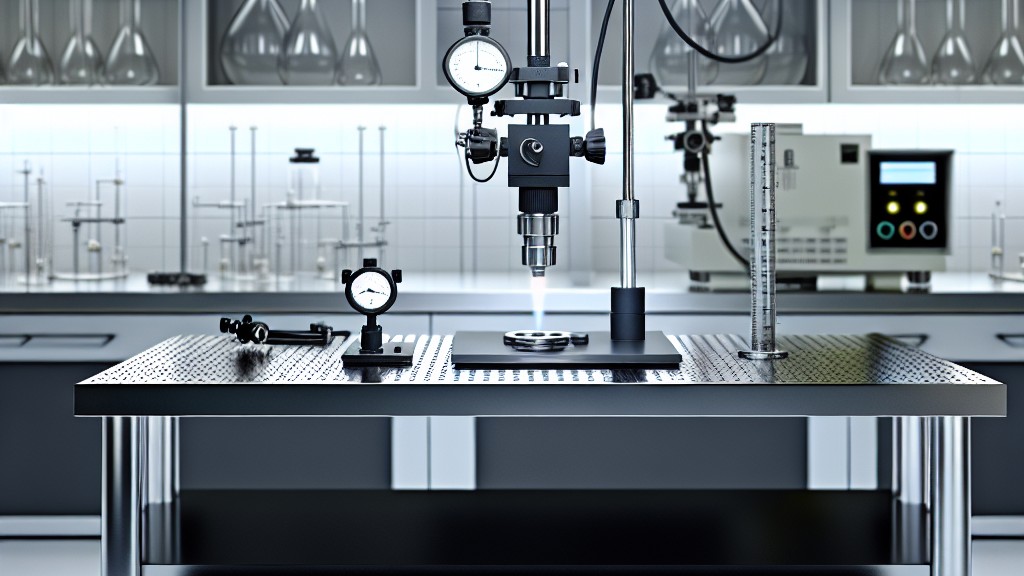
Light resistance is the property of a substance to resist physical and chemical changes that occur when exposed to light. Weather resistance is the property of a substance to resist physical and chemical changes caused not only by light but also by heat, temperature, humidity, wind and rain, and similar effects.
This standard requires the use of light type light resistance tester and air resistance tester. This device is also called open frame carbon arc.
Light resistance tester is an artificial light source that approximates sunlight to test some properties of light resistance in a short time. It is a test device that can irradiate. In addition, air resistance tester is a test machine that uses a device that approximates sunlight to examine some properties of air resistance in a short time.
It is a test device that can provide artificial light source and intermittent water jets or irradiation with a value close to sunlight. This device can perform: repeated irradiation in the dark by turning off the light and spraying cold water on the back side of the test piece in the dark.
For the purposes of this standard, the black panel temperature is the temperature indicated by the rack-mounted black panel thermometer, the surface temperature of the test piece. It is the temperature that represents the degree. In the final cycle test, the sunlight carbon arc lamp is switched on and off repeatedly at regular intervals. It is a test method in which cold water is sprayed onto the back of a test piece in a dark condition, causing dew to form on the surface of the test piece.
The types of testing machines are those that are not equipped with a spray device on the surface of the test piece and those that are equipped with it. Depending on whether they are equipped with a duty cycle tester or a duty cycle tester, they are divided into the following three types:
The temperature and humidity inside the test chamber should be:
Spraying the surface of the test piece should be as follows:
JIS B 7753 is an industry standard covering open flame carbon arc type light and light-water exposure devices. These devices are used to test the weatherability and light resistance of various industrial materials and products. This standard is important in the following respects:
This standard is widely used in sectors such as automotive, plastic, paint, textile and coating. The application of this standard increases the reliability of the products in the market and ensures their compliance with international standards.
Our organization, which has been trying to support businesses from every sector with its testing, measurement, analysis and evaluation studies carried out in a wide range for years, has a strong staff that closely follows the developments in the world in the field of science and technology and constantly improves itself. In this context, testing services in accordance with the "JIS B 7753 Light-exposure and light-water-exposure apparatus (open flame carbon arc type)" standard are also provided to businesses.
To get an appointment, to get more detailed information or to request an evaluation, you can ask us to fill in our form and reach you.

