

Climate storage generally refers to climate-controlled storage (temperature-controlled or climate-controlled storage). This is a popular type of storage unit designed to protect items from extreme temperatures, humidity fluctuations, and related damage.
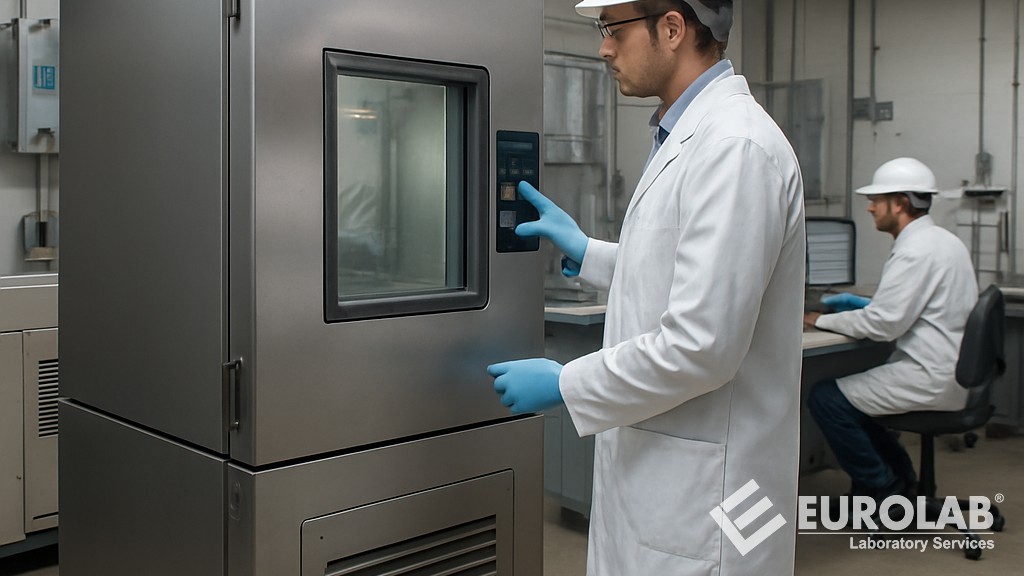
Climate-controlled storage units are enclosed storage areas that actively regulate temperature and, in most cases, humidity levels throughout the year. Unlike standard outdoor or vehicle-accessible units, which can be extremely hot in summer or freezing cold in winter, these units generally maintain a stable environment.
Facilities achieve this through HVAC (heating, ventilation, and air conditioning) systems, sometimes used in conjunction with dehumidifiers. The aim is generally not delicate laboratory-level control, but rather to prevent extreme conditions that could damage sensitive equipment.
Meanwhile, the terms climate control and temperature control are often used interchangeably in the industry, although a slight distinction is made between them in some places (e.g., just temperature control or just humidity control).
Extreme heat, cold, or humidity can damage many items in just a few months:
The difference is particularly noticeable in regions with hot, humid summers or very cold winters.
Climate-controlled units are generally more expensive than standard units (sometimes even more expensive in premium facilities), so they are not always necessary. Climate-controlled units are not preferred for storage in the following cases:
If long-term storage is required and involves any of the delicate items listed above, a climate-controlled unit should be preferred. This extra protection often results in much greater savings on replacement or repair costs.
To make a quick comparison:
Test methods for climate-controlled storage focus on verifying that the facility reliably maintains stable temperature and relative humidity levels. These levels typically range from 13–29 degrees Celsius (13.29 degrees Fahrenheit) to 30–55 percent relative humidity. Many operators aim for relative humidity below 50 percent as the gold standard to prevent mold, deformation, or condensation damage.
There are no definitive and universal industry standards, therefore testing combines practical monitoring, performance checks, and building envelope verification. Facilities (especially operators in humid/temperature-variable climates) use these main approaches to verify performance:
In short, climate-controlled storage (climate storage) refers to storage environments where temperature and humidity are actively regulated to protect sensitive materials from environmental damage. Unlike standard storage units that simply provide storage space, climate-controlled storage systems maintain stable indoor conditions year-round.
Many materials degrade when exposed to heat, cold, humidity, or rapid environmental changes. Proper climate control helps prevent this:
For the automotive, pharmaceutical, and many other industries, maintaining environmental stability is critical for quality assurance and regulatory compliance.
For many years, our organization, with its competent and experienced team, has been understanding the needs of its clients, providing the advanced testing services they require, and assisting in the establishment, implementation, and improvement of management systems. Within this framework, climate testing and climate storage testing services are also provided to businesses.
To get an appointment, to get more detailed information or to request an evaluation, you can ask us to fill in our form and reach you.

