

The standard “ISO 18192-2 Implants for surgery - Wear of total intervertebral disc prostheses - Part 2: Core replacements” developed by the International Organization for Standardization (ISO) describes a test procedure for spinal core prostheses under the relative angular motion conditions specified in the first part of this standard (ISO 18192-1).
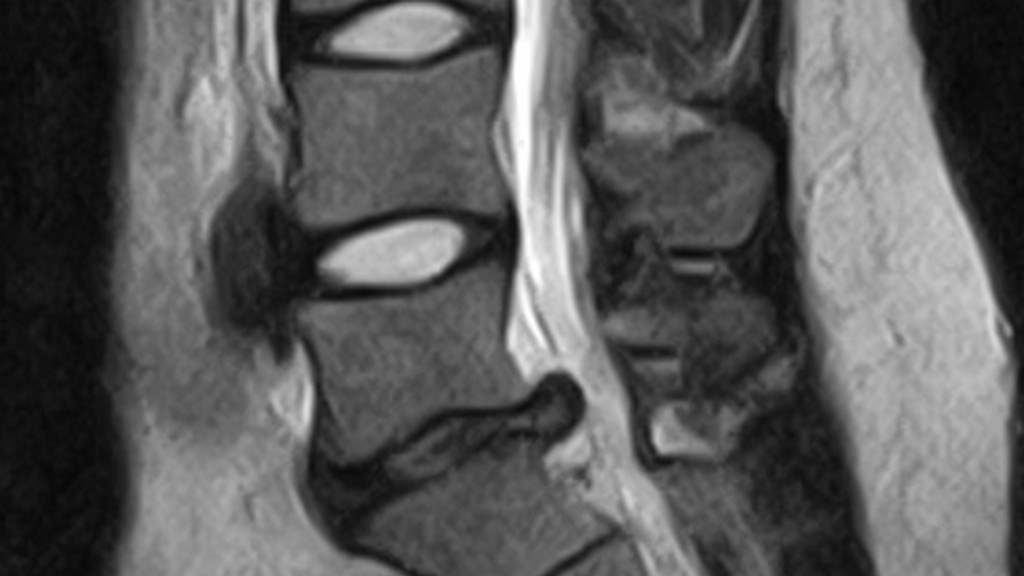
This standard applies to both lumbar and cervical prostheses. It does not apply to total disc replacements and facet joint replacements. This standard includes a wear and fatigue test method. Additional mechanical tests such as creep tests may be required.
This standard does not reproduce complex in vivo loads and motions. Wear and fatigue data obtained with this test method allow comparisons between different implant types but may differ from clinical wear performance. The user should consider running additional tests that address the specific safety issues of the individual implant design to be tested.
For the purposes of this standard, the terms and definitions given in ISO 18192-1 and the following apply:
During the test, the core replacement is placed in a test station conforming to ISO 18192-1. The shear stiffness of the ring is simulated by a motion restraint system. The device applies a specified time-varying force and specified relative angular displacements to the core replacement. If polymers are the subject of investigation, a control sample is subjected to the same time-varying force to determine the amount of mass change resulting from creep or fluid transfer of the test sample. The test is performed in a controlled environment simulating physiological conditions.
Liquid test medium is serum diluted with deionized water (balance) to a concentration of 20 g plus/minus 2 g protein/l. If desired, liquid test medium may be filtered through a 2 µm filter. To minimize microbial contamination, liquid test medium should be stored frozen until required for testing. An antimicrobial reagent (such as sodium azide) may be added. Such reagents may be potentially hazardous.
The addition of 20 mmol/l EDTA can be used to bind calcium in solution and minimise calcium phosphate precipitation on bed surfaces. The effect of EDTA depends on the combination of materials tested. The absence of EDTA in the liquid test medium must be justified by the user. Alternative test liquids such as Hanks solution may be used. The pH of the liquid test medium should be routinely monitored.
A minimum of six specimens is recommended for wear/fatigue testing. At least one additional specimen is recommended to correct for weight gain by fluid uptake (wetting control). Wetting controls should be loaded according to the load profile given for the implant type. The user may decide not to use a wetting control when testing materials that do not absorb fluid from the surroundings, e.g. metal materials, or if weight readings are impractical due to high fluid absorption of the material to be tested. If fewer than six specimens are tested, appropriate justification must be given. The number of specimens tested may be the subject of national legal regulations.
The machine to be used in the tests must comply with the ISO 18192-1 standard. In addition, these tests use a motion restriction system, alignment and positioning tools, a test chamber and a temperature control system.
Among the numerous tests, measurements, analyses and evaluations that our organization has carried out for businesses in various sectors, it also provides testing services defined in the standard “ISO 18192-2 Implants for surgery - Wear of total intervertebral disc prostheses - Part 2: Core replacements” with its trained and expert staff and advanced technological equipment.
To get an appointment, to get more detailed information or to request an evaluation, you can ask us to fill in our form and reach you.

