

A test method for the use of fibrous sound insulation material, which is one of the sound insulation materials, in buildings is explained in the TS 901-2 standard.
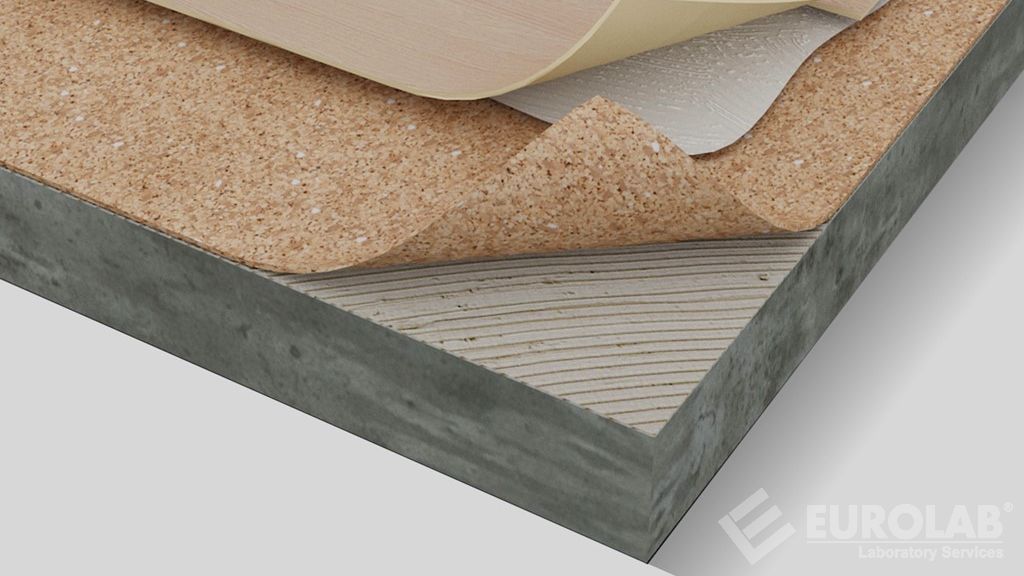
Thanks to the sound insulation, the sounds coming from the inside or outside are significantly reduced. Which technique and insulation materials should be used in sound insulation depends entirely on the building construction and the source of the sound.
The first part of the TS 901 standard was later canceled and replaced by the EN 13162 standard (Heat insulation products - For buildings - Mineral wool fabricated products - Properties standard).
Acoustic insulation provides a range of soundproofing materials for walls, including soundproofing wall panels and complete acoustic wall kits. Fibrous sound insulation materials are one of them. When it comes to soundproof walls, there are two things to consider: how much noise is heard and how much space will be lost. If a high level of soundproofing is required, it requires a combination of acoustic materials to ensure good soundproofing is achieved. However, this method requires more space loss than thinner soundproofing panels, which are often used to soundproof walls against lower sound levels.
Fibrous materials are widely used in noise reduction due to their porous structure. Various fibrous materials are used for noise reduction, including inorganic and metallic fibers, synthetic fibers, natural fibers, and nanofiber membranes. Inorganic and metallic fibers have advantages such as corrosion resistance, high temperature resistance, and long service life. The customized cross-sections of synthetic fibers in various shapes are beneficial for improving acoustic absorption properties. Natural fibrous materials are biodegradable, renewable, and environmentally friendly. Nanofiber materials are lightweight and have good potential in low-frequency noise reduction. In short, various types of fibrous sound insulation materials have different advantages and disadvantages.
Our organization also provides testing services for fibrous sound insulation materials used in buildings within the scope of TS 901-2 standard, with its trained and expert staff and advanced technological equipment, among the numerous test, measurement, analysis and evaluation studies it provides for businesses in various sectors.
To get an appointment, to get more detailed information or to request an evaluation, you can ask us to fill in our form and reach you.

