

The standard EN 755-1, a European standard, describes the technical conditions for the inspection and delivery of forged aluminum and aluminum alloy extruded bar, bar tube and profile for general engineering applications. However, this standard does not apply to:
For the purposes of this standard, an order document refers to a document or set of documents agreed upon between the supplier and the buyer at the time of ordering. Essentially, the order document should include:
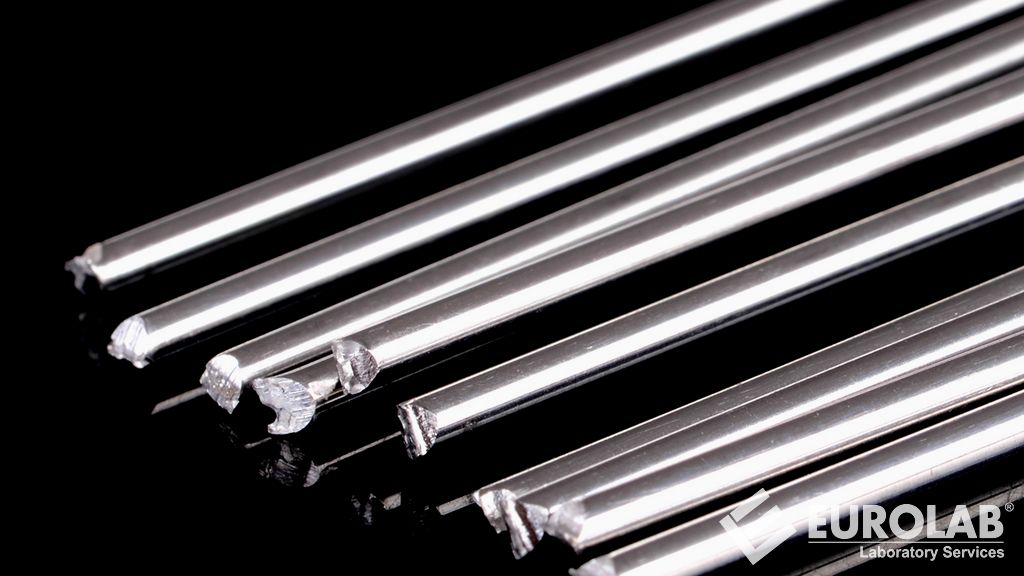
An aluminum alloy is an alloy in which aluminum is the predominant metal. Typical alloying elements are copper, magnesium, manganese, silicon, tin, nickel and zinc. It is divided into two basic groups as casting alloys and wrought alloys. Both of these are divided into heat-treatable and non-heat-treatable subgroups. About 85 percent of aluminum is used for forged products such as rolled sheet, foils and extrusions.
Our organization, among the numerous test, measurement, analysis and evaluation studies it has given for businesses in various sectors, with its trained and expert staff and advanced technological equipment, tests for aluminum and aluminum alloys, extruded bars, bar pipes and profiles within the scope of EN 755-1 standard. also provides services.
To get an appointment, to get more detailed information or to request an evaluation, you can ask us to fill in our form and reach you.

