

The standard “DIN 30670-1 Polyethylene coatings of steel pipes and fittings - Part 1: Requirements and tests for factory-applied extruded polyethylene coatings of buried steel pipes and fittings”, developed by the German Institute for Standardization (DIN), describes the requirements and defines test methods for factory-applied extruded polyethylene coatings of buried steel pipes and fittings.
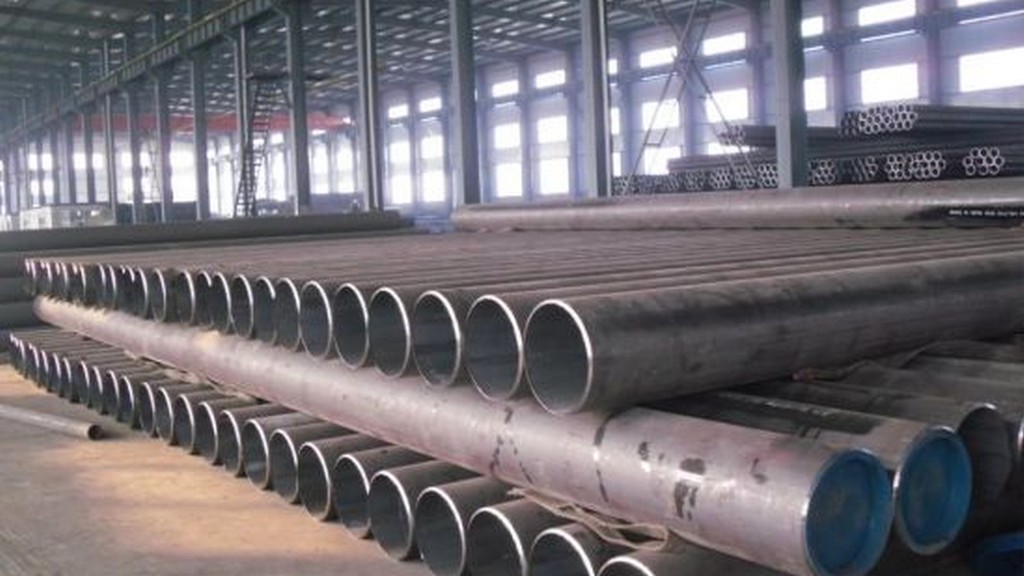
This standard specifies requirements for three-layer factory-applied extruded polyethylene-based coatings and one- or multi-layer sintered polyethylene-based coatings for corrosion protection of steel pipes and fittings.
The coatings are suitable for protecting buried or submerged steel pipes at design temperatures between minus 40 degrees and plus 80 degrees.
This standard contains requirements for coatings applied to longitudinal or spiral welded or seamless steel pipes and fittings used in the construction of pipelines for conveying liquids or gases. The application of this standard ensures that the polyethylene (PE) coating provides adequate protection against mechanical, thermal and chemical loads occurring during operation, transportation, storage and installation.
The standard "DIN EN ISO 21809-1 Petroleum and natural gas industries - External coatings for buried or submerged pipelines used in pipeline transport systems - Part 1: Polyolefin coatings (3-layer PE and 3-layer PP)" specifies the international requirements for three-layer extruded polyethylene and polypropylene-based coatings for steel pipes used in petroleum and natural gas pipeline transport systems. The following areas of application are not covered by this standard:
The DIN 30670-1 standard remains valid for the above application areas. Two-layer polyethylene-based coatings are defined in the standard “DIN EN 10288 Steel pipes and fittings for onshore and offshore pipelines - External two-layer extruded polyethylene-based coatings”.
For the purposes of this standard, the following terms and definitions apply in addition to those in DIN EN ISO 21809-1:
Extruded coatings consist of three layers: an epoxy resin primer, a polyethylene (PE) adhesive and an extruded polyethylene outer layer. The epoxy resin primer is applied in powder form. The adhesive can be applied in powder form or by extrusion. For extruded coatings, a distinction is made between sleeve extrusion and sheet extrusion. Sintered polyethylene coatings are single or multi-layer systems. The polyethylene powder is melted into the preheated component until the desired coating thickness is achieved.
There are two application areas according to the design temperature:
Coating type must be specified in purchase order. Other design temperatures can be agreed upon between purchaser and coater.
The materials used for applying the coating should be selected at the discretion of the coater, since, depending on the installation and coating procedure, a variety of materials may be used to meet the minimum requirements specified in this standard for the finished coating. Any differing requirements of the purchaser regarding the materials to be used are subject to agreement.
The surface shall be prepared by removing rust by blast cleaning. Blast cleaning and any necessary subsequent work shall not result in a reduction of the minimum wall thickness specified in the technical delivery standards for steel pipe. Any remaining abrasive dust shall be removed before coating.
In terms of the composition of the coating, a distinction is made between epoxy resin primer, adhesive and PE coating materials for three-layer extruded polyethylene coatings, while for sintered coatings (including three-layer sintered coatings) the requirements need to be taken into account only for the polyethylene layer. The table provided in the standard contains the necessary information that must be included in the delivery documents and technical data sheets. These data relate to the raw materials and may differ from the values for the applied coating.
Among the numerous testing, measurement, analysis and evaluation studies that our organization has carried out for businesses in various sectors, it also provides testing services defined in the standard “DIN 30670-1 Polyethylene coatings of steel pipes and fittings - Part 1: Requirements and tests of extruded coatings applied in the factory” with its trained and expert staff and advanced technological equipment.
To get an appointment, to get more detailed information or to request an evaluation, you can ask us to fill in our form and reach you.

