

In the European standard "EN 14694 Flexible sheets for waterproofing - Waterproofing of concrete bridge decks and other concrete surfaces that vehicles can pass - Determination of resistance to dynamic water pressure after damage with pre-treatment", it is stated that the purpose of evaluating the resistance of a plate or plate system against impact puncture. A test method used is described.
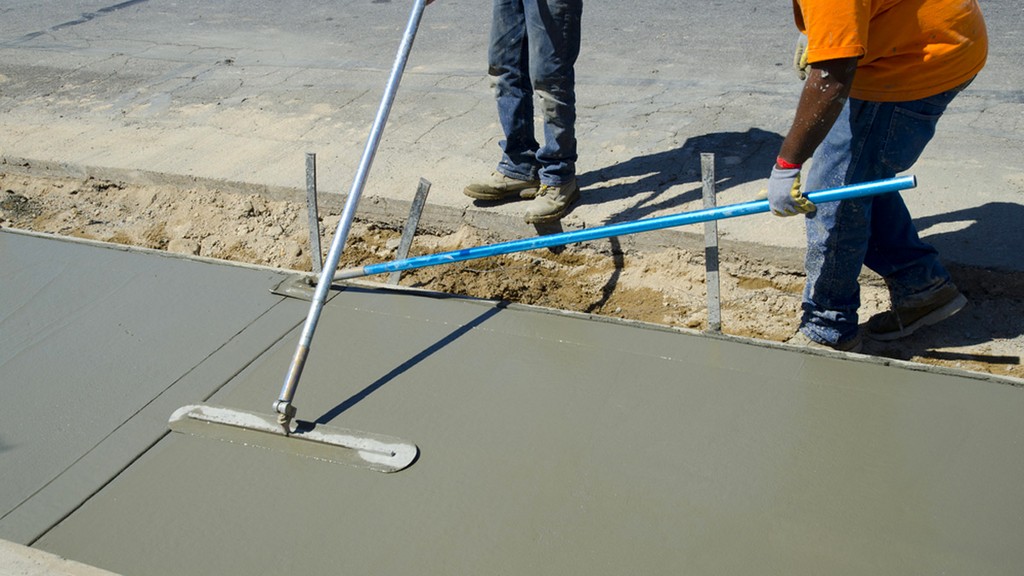
A waterproofing membrane is a layer of waterproof material that extends over the surface to prevent water leaks or damage. The process generally consists of liquid applied or preformed sheet membranes.
The purpose of waterproofing is to protect a structure from any type of water damage and prevent further repairs on the structure. Excessive water exposure can widen foundation cracks and joints, leading to leaks, deterioration, and spalling problems that will require repair. Before water damage causes bigger problems in a structure, waterproofing provides:
The EN 14694 standard includes requirements regarding material supply and quality, surface preparation, application and related testing and acceptance criteria for waterproofing systems on concrete bridge decks. Waterproof system flexible sheets consist of a preformed layer or liquid applied membrane and may also include a protective layer and an adhesive coating. Requirements regarding asphalt and asphalt wear layer to be placed on waterproofing membrane systems are within the scope of this standard.
A waterproofing system is a combination of layers of materials, including primers, waterproofing membranes, protective layers or adhesive coatings, applied to a concrete bridge deck that creates a waterproof system to protect concrete surfaces from the ingress of water or chloride ions.
Briefly, the EN 14694 standard is a European standard for flexible sheets for the waterproofing of concrete bridge decks and other concrete surfaces open to vehicle traffic. The resistance of the waterproofing membrane against impact and puncture is especially useful for builders and architects, companies that produce and supply sheets and waterproofing materials, concrete producers and companies that produce building binders and sealants.
Puncture resistance is a measure of the tensile strength of a material. This standard provides requirements for devices and materials used in pre-treatment impact penetration testing of waterproofing boards. This standard provides a procedure for the preparation and testing of test specimens to test the resistance of waterproofing sheets to dynamic water pressure. This standard also provides guidance for effective waterproofing design to prevent water from entering or escaping into various parts of the building structure, while increasing durability by ensuring water absorption and permeability, shear strength and tensile strength of the waterproof bonding layer. In this way, an effective waterproofing system is established that completely covers all areas exposed to hydrostatic pressure and chemical pollutants.
Waterproofing of concrete bridge decks and other concrete surfaces through which vehicles can pass shall comply with the construction performance requirements when tested in accordance with this standard.
Among the numerous testing, measurement, analysis and evaluation studies carried out for businesses in various sectors, our organization, with its trained and expert staff and advanced technological equipment, has established "EN 14694 Flexible sheets for waterproofing - Waterproofing of concrete bridge decks and other concrete surfaces that vehicles can pass through - It also provides testing services defined in the standard "Determination of resistance to dynamic water pressure after damage by pre-treatment".
To get an appointment, to get more detailed information or to request an evaluation, you can ask us to fill in our form and reach you.

