SES N 3129 Coated Structural Steel Sheet
Developed by Suzuki Motor Corporation within the scope of cast iron and iron-based material standards, the “SES N 3129 Coated Structural Steel” standard describes the technical requirements for coated structural steels used in the automotive industry. This standard was specifically developed for load-bearing or semi-load-bearing parts requiring corrosion resistance and mechanical strength.
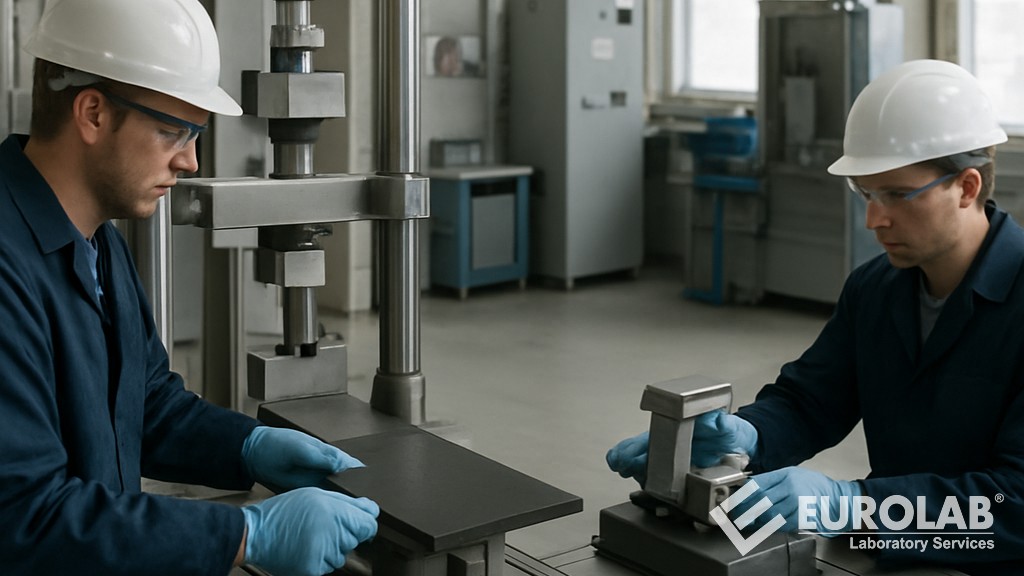
In the automotive industry, the use of coated structural steel sheet is related to the combination of mechanical strength, corrosion protection, and manufacturability. This material is chosen for parts that need to be load-bearing and corrosion-resistant.
- Structural areas:
- Base panels (lower body)
- Side elements (longitudinal beams)
- Cross elements
- Supplements
- Fuselage frame (BIW):
- Door interior panels
- Poles (Poles A, B, C)
- Roof supports
- Semi-structural parts:
- Seat mounting brackets
- Battery trays (especially in electric vehicles)
- Suspension support brackets
Engineers select coated steel based on the following criteria:
- mechanical requirements
- Yield strength (e.g., 270-980 MPa depending on the part)
- Energy absorption (collision performance)
- Coating type:
- Galvanized: Good general corrosion protection.
- Galvanneal: Improved weldability and paint adhesion.
- Aluminum-silicon coating: High temperature resistance.
- Moldability:
- Deep drawing capability for complex shapes.
The production process generally follows these steps:
- Coil supply: Steel arrives in pre-coated coils. The surface is protected for stamping.
- Cutting and molding: Coils are cut into flat sheets (molds). Laser cutting or mechanical cutting is used.
- Stamping/shaping: Sheets are shaped using molds. Damage to the coating must be avoided. Friction must be controlled (lubrication is necessary).
- Combining: Common combining methods include:
- Resistive spot welding (the most common type)
- Laser source (high precision)
- Adhesive bonding (increases hardness and corrosion resistance)
The coating process is affected; parameters need to be adjusted.
- Surface treatment and painting: Even if the steel is coated, the following processes are applied:
- Phosphating
- Electroplating (E-coating)
- Primer and topcoat paint
This creates a multi-layered corrosion protection system.
- Assembly: The components are integrated into the body frame (BIW). The vehicle then proceeds to final assembly.
It operates in coated structural steel layers:
- Metal plating (such as zinc, aluminum)
- Conversion coating (phosphate)
- E-coating (electro-coating paint)
- final coat of paint
Even if the paint is scratched, the zinc coating provides sacrificial protection.
During the design process, engineers should consider the following:
- Thickness and strength: Thinner, higher-strength steel reduces weight.
- Coating weight: Typically 60-275 g/m2.
- Edge protection: Cut edges are delicate; design sealing is essential.
- Drainage: Avoid areas where water can accumulate.
Coated structural steel is widely used for the following reasons:
- Extends vehicle lifespan (10-15 years of corrosion resistance)
- Provides a lightweight design.
- Cost-effective compared to stainless steel.
- Suitable for mass production.
In short, the SES N 3129 standard defines the use of structural steel sheets with protective coatings. These coatings are generally corrosion protection systems such as:
- Zinc plating (galvanizing)
- Aluminum coating
- Zinc-aluminum alloy coating
- Organic coatings (paint systems)
Suzuki standards generally classify material, coating, and manufacturing requirements in a systematic way.
SES N 3129 typically includes the following:
- Chemical and mechanical properties:
- Yield strength
- Tensile strength
- Elongation
- Coating features:
- Coating type (galvanized, galvanneal, aluminum-silicon coating)
- Coating thickness
- Coating adhesion
- Corrosion performance:
- Salt spray test
- Moisture and environmental resistance
- Surface quality:
- Paintability
- Surface defects (pitting, peeling)
- Production suitability:
- Pressability
- Weldability
Coated structural steel is used in vehicles where both strength and corrosion resistance are required:
- Body and supporting parts:
- Chassis connecting elements
- Base panels
- Side beams
- Exterior and interior body parts:
- Door internal structures
- Luggage compartment
- Engine hood under supports
- Security components:
- Shock-absorbing zones
- Reinforcement plates
The main reasons for preferring coated steel over bare steel in the automotive industry are as follows:
- Corrosion resistance: Particularly effective in salty road conditions (winter conditions). Ensures a long service life.
- Paint performance: Provides better surface quality. Coating and paint mean double protection.
- Cost advantage: It is much more economical than stainless steel.
- Production compatibility: Suitable for pressing, welding, and assembly processes.
The SES N 3129 standard is considered important for the following reasons:
- Premature rusting of the parts is prevented.
- This prevents the coating from peeling.
- Post-welding corrosion is prevented.
- Vehicle lifespan is shortened and safety risks increase.
Thanks to this standard,
- All suppliers ensure the same quality.
- Compatibility will be achieved in global production.
- Vehicle durability is guaranteed.
SES N 3129 is a critical specification that standardizes the mechanical strength, corrosion resistance, and manufacturing suitability of coated structural steel sheets used in the automotive industry.
For many years, our organization, with its competent and experienced team, has been understanding the needs of its clients, providing the advanced testing services they require, and assisting them in the establishment, implementation, and improvement of management systems. Within this framework, we also provide testing services compliant with the SES N 3129 standard.



