
UL 157 Gaskets and Sealants
Developed by Underwriters Laboratories (UL), the “UL 157 Gaskets and Seals” standard is a safety standard that specifies performance requirements and test methods for non-metallic gaskets and seals used in a wide variety of electrical, industrial, mechanical, and fluid handling equipment. This standard provides manufacturers and product designers with a consistent method for evaluating gaskets and seals before they are incorporated into certified end products.
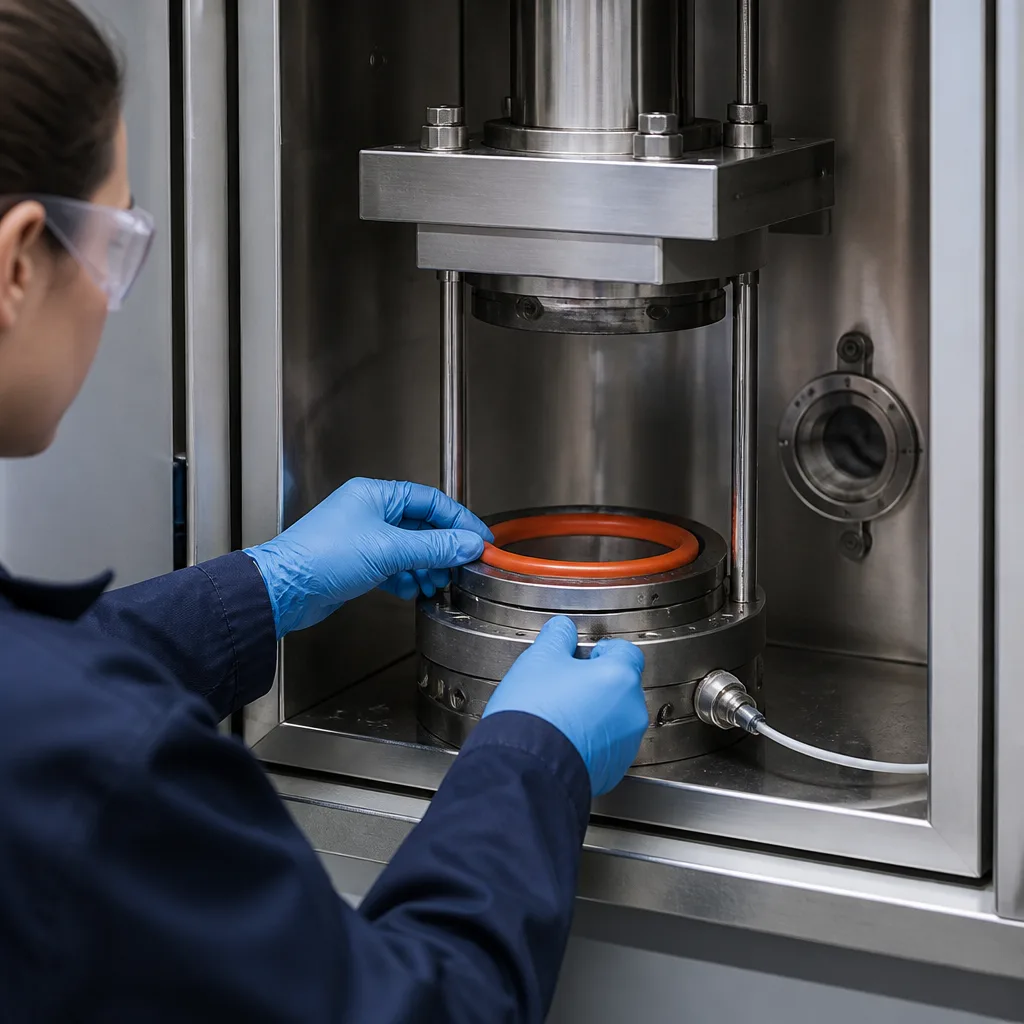
Unlike standards that certify complete products, the UL 157 standard focuses primarily on component materials. Materials evaluated under the UL 157 standard are typically considered components intended for use in larger assemblies, such as electrical enclosures, pumps, valves, lighting equipment, heating, ventilation and air conditioning (HVAC) systems, fuel dispensing equipment, and industrial machinery.
The main objectives of the UL 157 standard are as follows:
- To establish uniform performance requirements for gaskets and sealing materials.
- To evaluate the long-term durability of sealing materials.
- To verify compatibility with various environmental and chemical influences.
- Supporting safety certification for complete products.
- To reduce liquid, gas, and vapor leakage throughout the product's lifespan.
Manufacturers can simplify product certification while increasing product reliability by qualifying gasket materials before they are installed in finished equipment.
The UL 157 standard applies to non-metallic gaskets and sealing materials, including:
- Elastomeric rubber materials
- Thermoplastic elastomers (TPE)
- thermoplastics
- Flexible cellular materials (foam)
- Composite gasket materials
- Fabric-reinforced elastomers
- O-rings
- Shaft seals
- Specially molded sealing components
- Flat sheet gasket materials
This standard excludes metallic sealing materials and focuses on materials designed to prevent or contain the following within a containment or fluid system:
Materials evaluated according to the UL 157 standard are generally found in the following areas:
- Electrical housings
- Circuit Breakers
- Power distribution equipment
- Industrial control panels
- Lighting Fixtures
- pumps
- valves
- Fuel dispensers
- Heating, ventilation and air conditioning (HVAC) equipment
- Automotive electrical systems
- Renewable energy equipment
- Battery housings
- Fire protection equipment
Many other UL product standards refer to the UL 157 standard when specifying acceptable seal materials for certified equipment. This standard evaluates numerous polymer families, including:
- EPDM rubber
- Silicone Rubber
- Nitrile (NBR)
- Neoprene (CR)
- Fluoroelastomers (FEM)
- Polyurethane elastomers
- Thermoplastic polyurethane (TPU)
- PVC
- Polythene
- Polypropylene
- PTFE
- Mushroom-rubber composites
- Fiber-reinforced gasket sheets
Each material is tested independently, and performance characteristics are assigned based on the evaluation results.
The UL 157 standard includes tests for various mechanical, thermal, and environmental characteristics:
- Tensile strength: Determines a material's resistance to fracture under tensile load.
- Elongation: Measures the elasticity and the amount of deformation before rupture.
- Compression permanent deformation: Evaluates how well a seal returns to its original thickness after prolonged compression. This property is critical for maintaining sealing pressure over time.
- Heat aging: Materials are exposed to high temperatures for extended periods to evaluate the following properties:
- Hardness change
- Conservation of tensile strength
- Conservation of elongation
- Compression permanent deformation changes
The results help determine the recommended maximum continuous operating temperature.
- Low-temperature performance: Some gasket materials are evaluated for their flexibility and sealing ability after being exposed to cold environments.
- Fluid resistance: The UL 157 standard evaluates compatibility with numerous fluids depending on the intended application. For example,
- Petrol
- Diesel fuel
- Engine oil
- Hydraulic fluids
- Refrigerants
- Su
- Vapor
- Cleaning chemicals
- Fire extinguishing agents
- Alcohol-based fuels
- Kerosene and naphtha
This standard includes environmental and end-use application codes corresponding to different chemical exposures.
- Oil resistance: After immersion in oils, the following changes are measured:
- Volume
- Hardness
- mechanical strength
- Ozone resistance: Evaluates resistance to cracking caused by ozone exposure.
- Weather resistance: Materials are subjected to the following to determine their long-term durability:
- UV radiation
- Gender
- Outdoor weather conditions
- Flame and heat performance: For specific applications, gasket materials may be subject to additional assessments regarding high temperatures and flame exposure, where required by the relevant end-product standard.
In terms of end-use classification, the UL 157 standard assigns application profiles that indicate the environments in which a material is evaluated. Examples include:
- Fire extinguishing agents
- Petrol
- Gasoline/alcohol mixtures
- Kerosene or naphtha
- oils
- Su
- Vapor
- Other chemicals mentioned
These classifications help manufacturers select the appropriate materials for specific operating conditions.
The UL 157 standard is widely referenced in numerous UL standards covering the following topics:
- Electrical Equipment
- Industrial machinery
- Fuel transport systems
- pumps
- Lighting equipment
- Electrical enclosures
- Hazardous area equipment
Using UL 157 standard approved gasket materials can simplify the certification of finished products by reducing the need for repeated material testing.
Compliance with the UL 157 standard offers several advantages:
- Improved sealing reliability.
- Better long-term durability.
- Improved chemical resistance
- Verified operating temperature capacity
- Consistent production quality.
- Simplified product certification
- Reduced risk of liquid or gas leaks.
- Increased customer confidence
- Global recognition of material performance.
The UL 157 standard is widely used in the following areas:
- Manufacturing of electrical equipment.
- Industrial automation
- Oil and gas equipment
- Chemical processing
- Heating, ventilation, and air conditioning (HVAC) systems
- Renewable energy
- Automotive electrical systems
- Consumer devices
- Medical Equipment
- Fire protection products
Modern equipment relies heavily on polymer seals and gaskets to maintain safe operation. A faulty seal can lead to:
- Liquid leakage
- Gas leak
- Electrical hazards
- Decrease in environmental protection
- Equipment failure
- Increased maintenance costs
The UL 157 standard provides manufacturers with a standardized method for verifying that gaskets and sealing materials can withstand the expected mechanical, thermal, and chemical stresses during use. By ensuring consistent material performance, this standard supports the safety, reliability, and longevity of products across a wide range of industries.
For many years, our organization, with its competent and experienced team, has been understanding the needs of its clients, providing the advanced testing services they require, and assisting them in the establishment, implementation, and improvement of management systems. Within this framework, we also provide testing services compliant with the UL 157 standard.

