ASTM F1814-22 Standard Guide for Evaluating Modular Hip and Knee Joint Components
The “ASTM F1814-22 Standard guide for evaluating modular hip and knee joint components” standard, developed by the American Society for Testing and Materials (ASTM), describes a procedure to assist the developer of a modular joint replacement implant in selecting appropriate tests and evaluations to determine device safety.
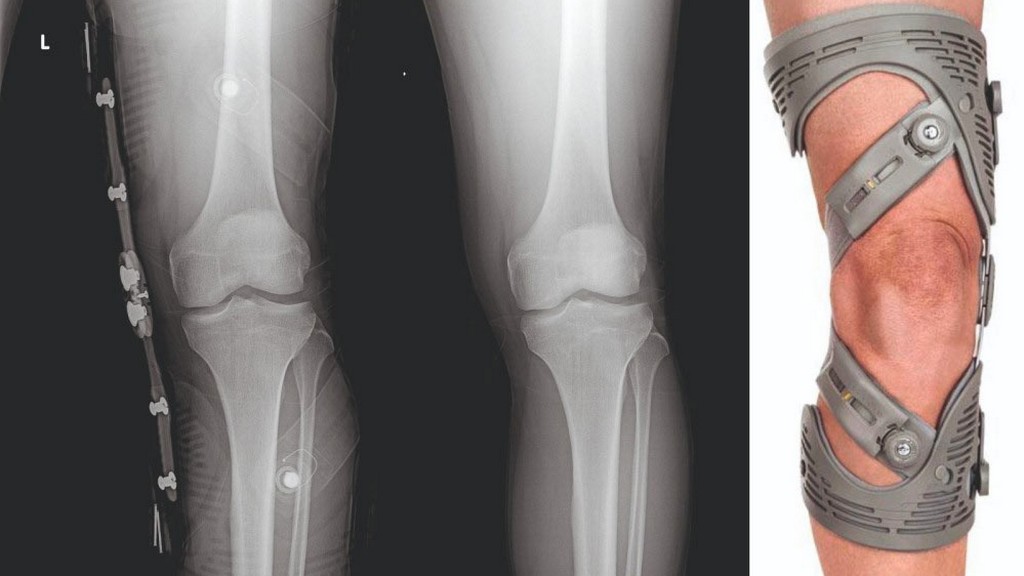
This guide does not attempt to describe all test methods associated with modular device evaluation.
This guideline does not cover intentional intraoperative disassembly, but is only intended to suggest tests necessary to determine inadvertent disassembly loads.
The test methods recommended in this guide cover many different, but all possible, areas of investigation and concern with modular hip stems and modular knee components.
Due to the unlimited possible modular designs, this guide should be used as a guide to what to consider regarding device safety testing. There may be cases where alternative test methods may be useful. It is still the responsibility of the researcher to address all safety concerns specific to individual modular designs.
The tests suggested here should be used to reflect the effects of modularity, if any.
However, the tests marked in the tables provided in the standard or specified as a possible test to be considered in this guide may not be applicable to every implant design.
For the purposes of this document, the following terms and definitions apply:
- A modular femoral hip implant refers to any device consisting of two or more matching parts designed for implantation into the femur for the purpose of replacing the femoral hip joint.
- Bolts/screws are a fastener used to secure modular parts of the femoral or tibial component.
- The collar refers to the medial platform located just distal to the femoral neck.
- Distal hip shells/sleeves refer to modular accessories to increase the length or distal diameter of the femoral component.
- The femoral head is a spherical modular bearing that mates with the femoral component.
- The neck extension is an intermediate modular connection between the femoral component and the femoral head. The connections, for example, the teeth and tapers, can vary.
- Proximal hip sleeves/pads are modular accessories to modify the geometry of the femoral component in the metaphyseal area.
- A modular knee implant is any device consisting of two or more matching parts designed for implantation into the femur or tibia for the purpose of replacing the knee joint.
- A knee sleeve is a modular addition to a total knee replacement that functions to fill the gaps left by missing or incomplete bone stock. A sleeve usually surrounds the knee replacement component to which it is attached.
- A knee stem extension is a modular extension to the knee-femoral or knee-tibial component that extends into the medullary canal. A stem extension can be attached to the femoral or tibial component by a variety of means, such as a taper or a screw.
- A knee wedge is a modular addition to a total knee replacement that functions to fill in the gaps left by missing or incomplete bone stock. Typically, a wedge does not circumferentially surround the knee replacement component to which it is attached.
- The metal-supported patella is a modular patella replacement consisting of an articulating piece secured to a metal support by means of a locking mechanism.
- The metal tibial tray is a metal component that is fixed to the proximal tibia, provides mechanical support, and directly couples to modular tibial inserts.
- A tibial insert is a modular bearing element of a tibial component that is secured to a knee tibial tray by means of a locking mechanism, usually made in accordance with the ASTM F648-04 standard.
Among the numerous testing, measurement, analysis and evaluation studies that our organization has provided for businesses in various sectors, it also provides testing services defined in the "ASTM F1814-22 Standard Guide for Evaluating Modular Hip and Knee Joint Components" standard with its trained and expert staff and advanced technological equipment.



