

The European standard “EN 513 Plastics - Poly(vinyl chloride) (PVC) profiles - Determination of resistance to artificial weathering” describes a method for evaluating changes in the properties of samples made from poly(vinyl chloride) (PVC) profiles by exposing them to xenon arc radiation. This method applies to PVC profiles, including foil-coated, varnished, or coextruded profiles. The determination of color changes and variations in properties after exposing PVC profiles to xenon arc radiation is described in the annex to this standard (Annex A).
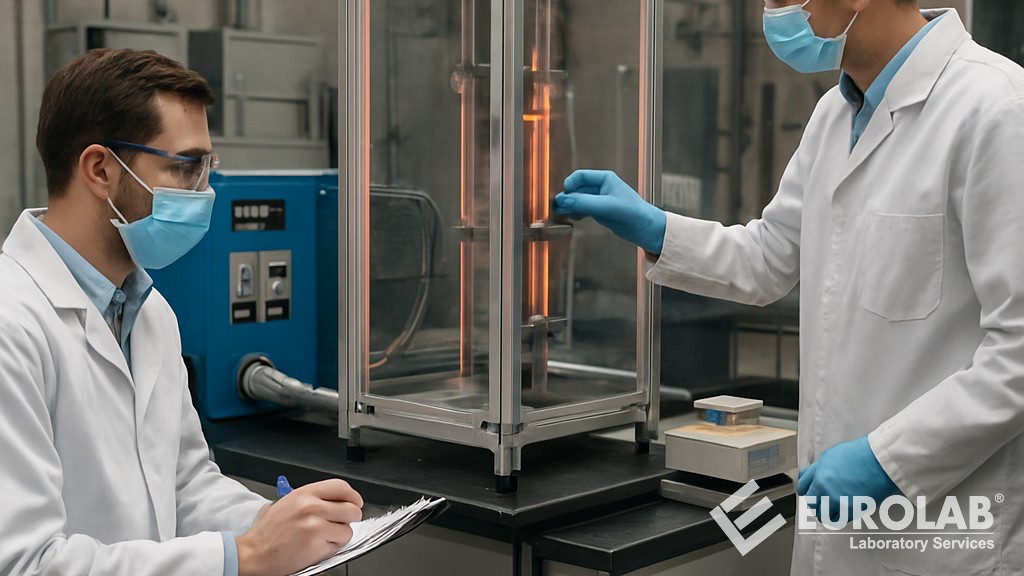
In principle, samples taken from the surface of a profile exposed to weathering are subjected to xenon arc radiation at a specified irradiation intensity, standard black and white temperatures, relative humidity, and in a spray cycle. After exposure, changes in the properties of the samples are determined.
The number of test samples should be as specified in the relevant standard. Test samples should be taken from the surface of the profile exposed to UV radiation, ensuring that the longitudinal orientations of the test samples and the profile are the same. Reference test samples that have not been exposed to UV radiation should be stored in the dark.
Unless otherwise specified, conditioning is not required before exposure to laboratory radiation sources. Additional details regarding conditioning before determining color changes and variations in properties after exposure of PVC-based profiles to xenon arc radiation are given in the standard annex.
Two different weather resistance test conditions have been defined:
The test conditions are listed in the table titled “Weather resistance test conditions for Method 1 (M) and Method 2 (S)”.
The testing method generally follows these steps:
Details regarding the determination of color changes and variations in properties of PVC-based profiles after exposure to xenon arc radiation are included in the standard annex (Annex A).
In short, the EN 513 standard includes a laboratory method for evaluating how well PVC-based profiles (especially unplasticized PVC-U profiles used in the production of windows, doors, shutters and similar building products) withstand artificial weathering.
This standard simulates prolonged outdoor exposure by exposing test specimens to controlled xenon arc radiation (a light source that closely mimics natural sunlight, including UV, visible, and infrared components). This process is often combined with water spraying and dark cycles to reproduce the following weathering effects:
This accelerated test helps predict the long-term durability and performance of PVC profiles under real outdoor conditions, especially in temperate climate regions (Method 1 is generally used as a reference for temperate European climates, while other methods can simulate different conditions).
PVC profiles for windows and doors must maintain their appearance, mechanical properties, and functionality for many years. Poor weather resistance leads to visible deterioration (e.g., fading of white profiles to yellow/grey, loss of surface quality). Compliance with the EN 513 standard is frequently required or referenced in the following cases:
Manufacturers typically expose samples for thousands of hours in xenon arc weatherproofing devices (e.g., according to cycles defined in the standard) and measure changes using colorimeter and visual inspection.
The EN 513 standard has been updated in recent revisions to include a wider range of PVC-based profiles, its test parameters have been improved, and it has been made compatible with modern xenon arc testing practices (methods according to the ISO 4892-2 standard).
In practice, a PVC window profile manufacturer can test samples after 3000-6000 hours of exposure per EN 513 cycle. Acceptable total color change limits are usually defined in product standards such as EN 12608 (e.g., color change up to 3-5 depending on the class). High-quality profiles containing good titanium dioxide pigmentation and stabilizers generally show excellent results.
This standard plays a crucial role in ensuring that PVC building products, one of the most common materials for energy-efficient windows in Europe, remain durable, aesthetically pleasing, and functional for their 20-40 year lifespan.
For many years, our organization, with its competent and experienced staff, has been understanding the needs of its clients, providing the advanced testing services they require, and assisting them in the establishment, implementation, and improvement of management systems. Within this framework, we also provide testing services in accordance with the EN 513 standard.
To get an appointment, to get more detailed information or to request an evaluation, you can ask us to fill in our form and reach you.

