

The coefficient of linear thermal expansion (CLTE) describes the change in length of a material as a function of temperature. A distinction is made between the average coefficient of linear thermal expansion and the physical (differential) coefficient of linear thermal expansion. The average coefficient of linear thermal expansion is defined as the slope of a section passing through two points of the thermal expansion curve. The physical (differential) coefficient of linear thermal expansion is the slope of the expansion curve at a given temperature. It therefore corresponds to the first derivative of the thermal expansion curve with respect to temperature.
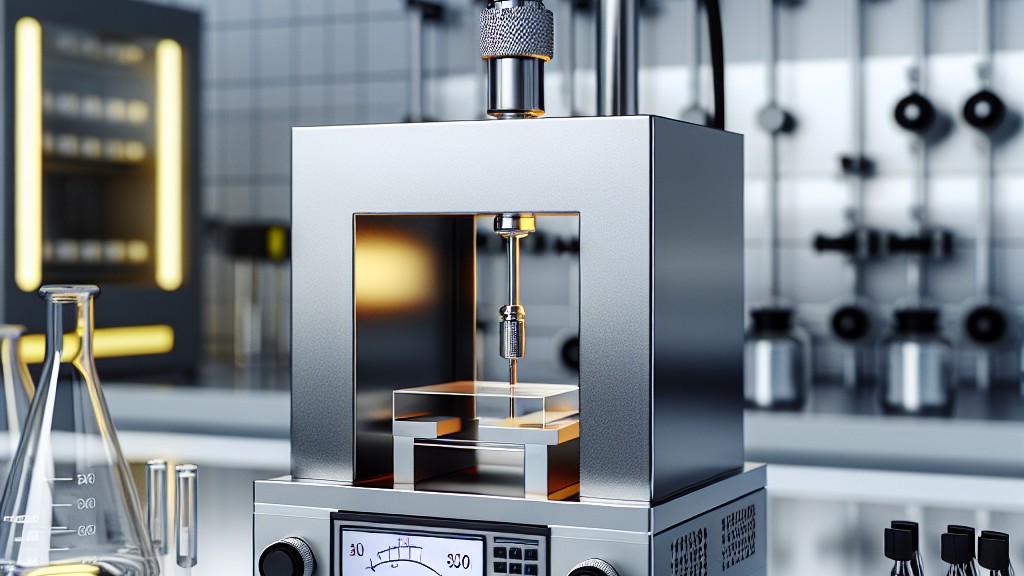
Thermal expansion or contraction occurs when a material is subjected to a change in temperature, and therefore results in changes in overall dimensions and other physical properties. This effect is more pronounced in gases and liquids, but is also evident in solids. Softer materials, such as unreinforced polymers, experience greater dimensional change per degree change in temperature.
When it comes to processing polymers, heat is always part of the equation. Increasing the temperature on any polymer or composite can lead to significant changes in dimensions, part warpage, or internal stress. Therefore, it is critical for designers to understand how much thermal expansion a material will experience during processing operations.
One of the tests engineers and designers use to measure the dimensional stability of a material under the effects of heat is the coefficient of linear thermal expansion. Businesses take great care to provide unrivalled results to ensure optimum dimensions and properties for processed polymers and composites.
The coefficient of linear thermal expansion is calculated by dividing the linear expansion per unit length by the change in temperature. When reporting the average coefficient of thermal expansion, temperature ranges should be specified. For many materials, the coefficient of linear thermal expansion can change as temperature changes. It is not always linear, but is often assumed to be linear for less critical applications or quick estimates.
Thermal expansion in materials causes premature cracking and stresses that can lead to part failure. Understanding this type of expansion is not only a financial concern, but also helps determine the type of material for quality and function. It is important to know the dimensional behavior of machined parts subjected to temperature changes. It also determines the thermal stresses that can occur and cause failure when a solid element composed of different materials is subjected to temperature (especially when predicting effective material bonding or when using plastics with metals).
The most commonly used standards for measuring the coefficient of linear thermal expansion in plastics are:
Commonly used methods for determining the coefficient of linear thermal expansion are:
The coefficient of linear thermal expansion test is considered important for the following reasons:
Our organization, which has been trying to support businesses from every sector with its testing, measurement, analysis and evaluation studies carried out in a wide range for years, has a strong staff that closely follows the developments in the world in the field of science and technology and constantly improves itself. In this context, linear thermal expansion coefficient (CLTE/CTE) testing services are also provided to businesses.
To get an appointment, to get more detailed information or to request an evaluation, you can ask us to fill in our form and reach you.

