
ASTM F718 Standard Specification for Shipbuilders' and Marine Paints and Coatings
The “ASTM F718 Standard Specification Product/Procedure Data Sheet for Shipbuilders' and Marine Paints and Coatings” standard, developed by the American Society for Testing and Materials (ASTM), provides a standardized format for documenting technical specifications, application procedures, and safety information related to paints and protective coatings used in shipbuilding and marine maintenance, rather than specifying performance requirements for marine coatings.
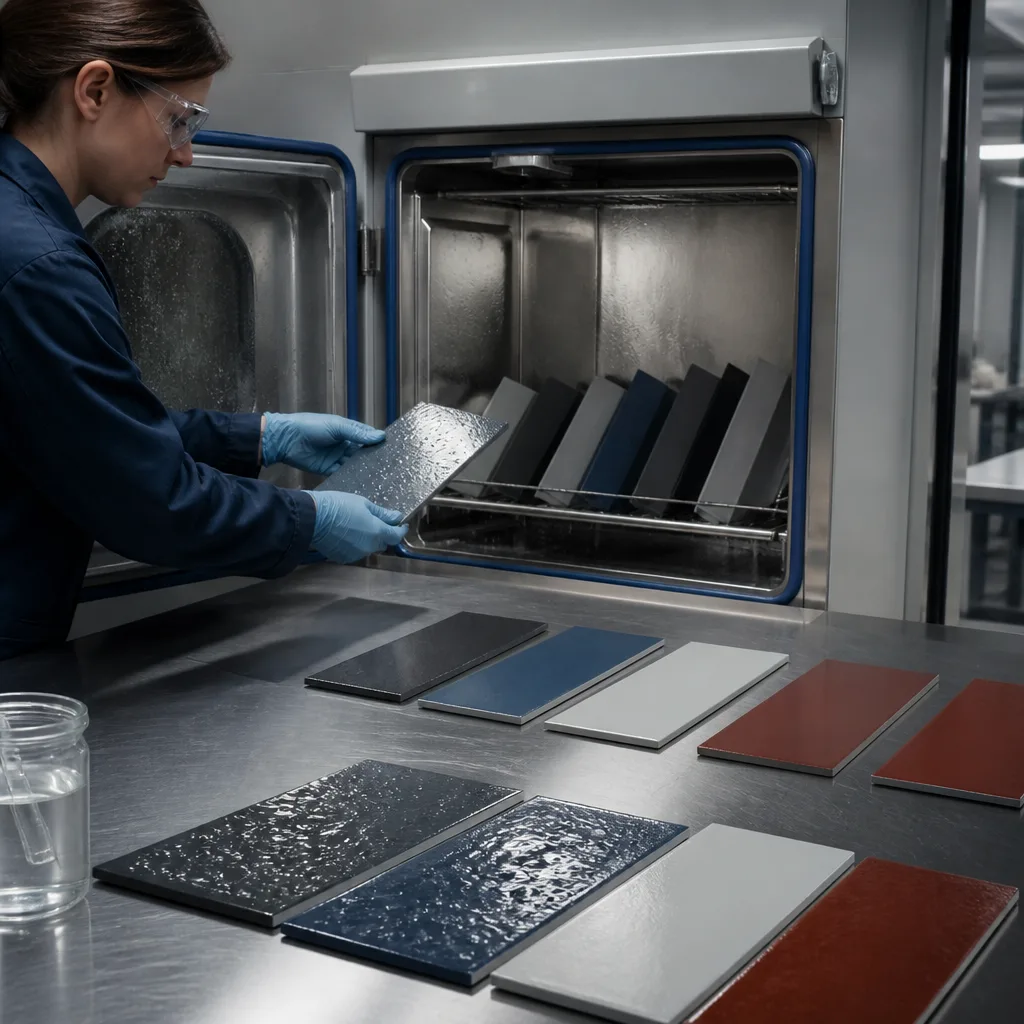
This standard improves communication between coating manufacturers, shipyards, naval architects, coating inspectors, quality assurance personnel, and ship operators by providing all essential coating information in a consistent and easy-to-understand format.
Marine coatings are among the most critical systems protecting ships from corrosion, seawater exposure, ultraviolet radiation, chemicals, and mechanical damage. Different coatings have different requirements:
- Surface preparation methods
- Mixing procedures
- Environmental application conditions
- Film thickness requirements
- Drying and hardening times
- Security precautions
Without standardized documentation, misunderstandings can occur during procurement, implementation, inspection, or maintenance.
The ASTM F718 standard overcomes this challenge by defining a uniform product/procedure data sheet accompanying marine coating products. This standard specifies the content and organization of a standardized data sheet summarizing essential information for a particular marine paint or coating product. The completed document serves various purposes.
- Technical evaluation of coating products.
- Production planning
- Application guide
- Quality control verification
- Inspection reference
- Maintenance documentation
The ASTM F718 standard applies to numerous marine coating systems, including:
- primers
- Epoxy coatings
- Polyurethane coatings
- Zinc-rich coatings
- Corrosion-resistant paints
- Deck coverings
- Ballast tank coatings
- Special marine protective coatings
- Structure of the product/procedure data sheet
The ASTM F718 standard divides information into well-defined sections.
- General type and definition: This section defines the following:
- Coating classification
- Purpose of usage
- Product description
- Recommended practices
Typical information includes the following:
- Epoxy primer
- Polyurethane topcoat paint
- Anti-fouling coating
- Tank liner
- High-thickness protective coating
Manufacturer information: The data sheet records the following:
- Manufacturer name
- Product description
- Product number
- Party information
- İletişim bilgileri
- Technical references
This increases the traceability of the product throughout its lifecycle.
- Physical characteristics: This section defines key technical specifications such as the following:
- Color
- Brightness
- bulk solid matter
- Solid matter by weight
- Volatile organic compound (VOC) content
- Density
- Flash point
- Lifetime
- Term of institution
- Recommended film thickness
- Coating rate
These properties help engineers determine whether the coating meets the project requirements.
- Surface preparation requirements: Proper surface preparation is crucial for coating performance. The ASTM F718 standard includes minimum preparation requirements such as the following:
- Abrasive sandblasting degree
- Surface cleaning
- Surface profile
- Removal of pollutants
- Rust removal
- Current coating compatibility
These requirements ensure proper adhesion of the coating.
- Mixing procedures: Many marine coatings consist of multiple components. This standard provides scope for documenting the following:
- Mixing ratios
- Induction time
- Mixing equipment
- Service life after mixing
- Thinning instructions
- Temperature limitations
Proper mixing prevents coating failures caused by improper chemical reactions.
- Application instructions: This section provides practical guides, including:
- Spray application
- Brush application
- Roller application
- Airless spraying recommendations
- Recommended nozzle sizes
- Environmental conditions
- Minimum substrate temperature
- Maximum relative humidity
- Recoating intervals
- Curing conditions
Production personnel rely on these instructions during shipbuilding and maintenance.
- Security measures: This standard includes a dedicated section for important security information such as:
- Flammability hazards
- Ventilation requirements
- Respiratory protection
- Protective clothing
- Handling precautions
- Storage conditions
- First aid recommendations
This helps ensure safer handling of potentially hazardous coating materials.
A standardized data sheet offers significant advantages:
- Improved communication: A consistent document format reduces misunderstandings between manufacturers, shipyards, inspectors, and maintenance personnel.
- Improved product evaluation: Technical personnel can quickly compare different coating products using the same standardized information.
- Improved quality control: Quality control inspectors can verify that the applied coating conforms to documented specifications.
- Increased productivity: Production teams spend less time interpreting manufacturer-specific technical literature.
- Improved traceability: Standardized documentation simplifies future maintenance, repair, warranty claims, and coating changes.
- Increased safety: Clear presentation of hazards and usage instructions reduces the risks associated with coating application.
The ASTM F718 standard is applicable to a wide variety of maritime sectors, including:
- Commercial shipbuilding
- Maritime shipbuilding
- Offshore platforms
- Ship repair facilities
- Marine coating manufacturers
- Coast Guard maintenance facilities
- Port authorities
- Marine engineering companies
- Audit organizations
- Classification societies
ASTM F718 complements, rather than replaces, performance and inspection standards. It is typically used in conjunction with standards covering the following topics:
- Surface preparation
- Coating inspection
- Coating quality control
- Film thickness measurement
- Corrosion protection
- Maritime maintenance applications
Together, these documents support a comprehensive marine coating management system.
While the ASTM F718 standard does not specify coating performance criteria, it plays a crucial role in ensuring the consistent communication of critical technical information. Marine coatings are applied in harsh environments where errors in surface preparation, mixing, application, or curing can lead to premature coating failure and costly corrosion.
This standard helps shipbuilders and maritime operators reduce application errors, improve quality assurance, enhance worker safety, and simplify long-term maintenance by standardizing the presentation of coating data.
For many years, our organization, with its competent and experienced team, has been understanding the needs of its clients, providing the advanced testing services they require, and assisting them in the establishment, implementation, and improvement of management systems. Within this framework, we also provide testing services in accordance with the ASTM F718 standard.

