

In the EN ISO 180 standard published by the International Standards Organization (ISO), a test method is presented to determine the Izod impact strength of plastics under defined conditions. This standard includes a number of different sample and test configurations. Different test parameters are explained according to the type of material, the type of test specimen and the type of notch.
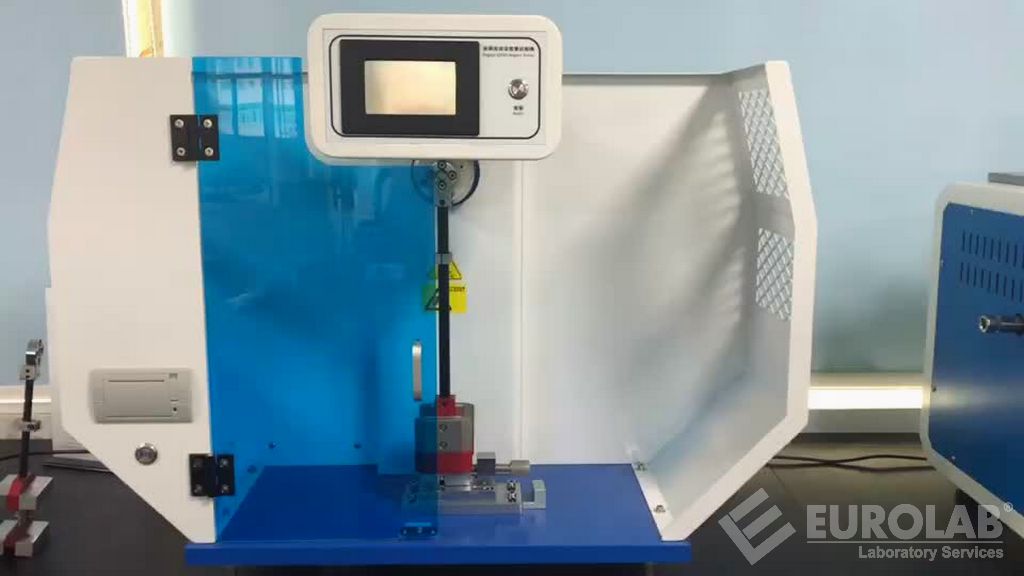
This test method is used to investigate the behavior of certain types of specimens under defined impact conditions and to determine the brittleness or toughness of specimens within the limitations inherent in the test conditions.
The EN ISO 180 standard is mainly suitable for materials such as:
This test method is not suitable for use with sandwich structures that normally contain solid cellular materials and cellular material. Notched samples are also not normally used for long fiber reinforced composites or thermotropic liquid crystal polymers.
This method describes the preferred dimensions for the test specimen. Tests on samples of different sizes or with different notches, or on samples prepared under different conditions, give non-comparable results. Other factors such as the energy capacity of the apparatus, the impact rate, and the conditioning of the samples can also affect the results. If comparative data are required, these factors need to be carefully controlled and recorded.
The EN ISO 180 standard is not intended to be used as a data source for design calculations.
Among the numerous tests, measurements, analyses, and evaluations our organization provides for businesses in various sectors, we also offer testing services for determining the Izod impact resistance of plastics under the EN ISO 180 standard, utilizing a trained and expert staff and advanced technological equipment.
To get an appointment, to get more detailed information or to request an evaluation, you can ask us to fill in our form and reach you.

