

The standard “PI-64 Total hip joint prostheses – 3D friction torque” developed by PI Medical Implants describes a test method for measuring the friction torque of total hip joint prostheses. These tests use a three-dimensional friction torque device that allows the measurement of torque resulting from flexion/extension, adduction/abduction and internal/external rotation. In addition to the unidirectional test (flexion/extension and adduction/abduction), this device is also used for the simulated gait test under angular movements described in the ISO 14242-1 standard.
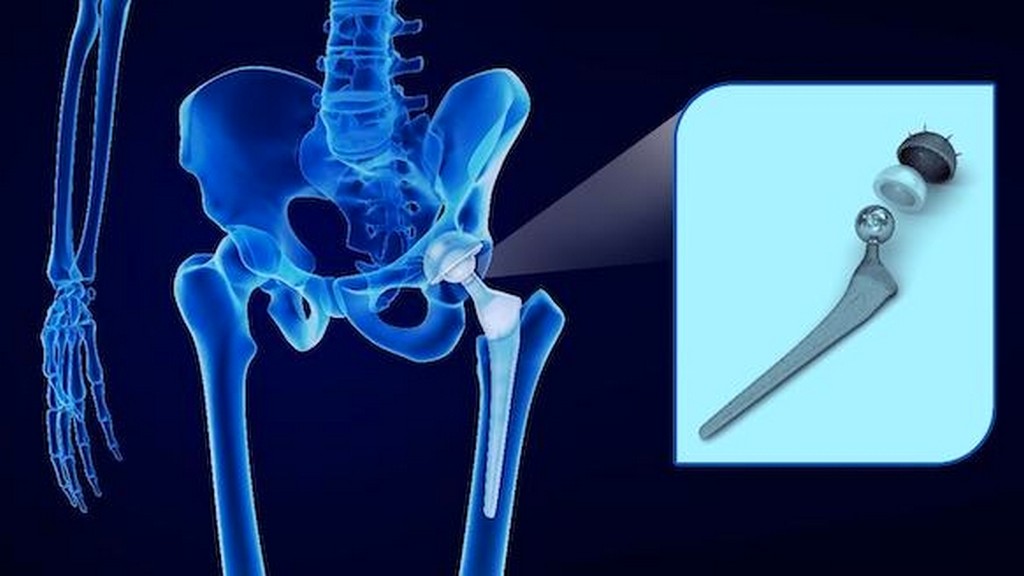
The standard test fluid is calf serum as defined by the ISO 14242-1 standard and the viscosity of the test fluid is determined before the test. All tests are performed in a standard hip simulator meeting the ISO 14242-1 standard.
Meanwhile, the PI-64 standard is based on the “ISO 14242-1 Implants for surgery - Wear of total hip joint prostheses Part 1: Loading and displacement parameters for wear testing machines and corresponding environmental conditions for testing” standard developed by the International Organization for Standardization (ISO). This standard describes the relative angular motion between the articulating components, the pattern of applied force, test speed and duration, specimen configuration and the test environment to be used in wear testing of total hip joint prostheses. The femoral and acetabular components of a test specimen are placed in position in their normal configurations. The test apparatus transmits a specified time-varying force between the components together with specified relative angular displacements. If polymers are the subject of investigation, a control specimen is subjected to the same time-varying force to determine the creep of the test specimen or the amount of mass change due to fluid transfer. The test takes place in a controlled environment simulating physiological conditions.
The standard test fluid is calf serum as defined by the ISO 14242-1 standard and the viscosity of the test fluid is determined before the test. All tests are performed on a standard hip simulator in accordance with the ISO 14242-1 standard.
Wear of total hip replacements has been the focus of many studies. However, frictional effects such as intramodular connections or high loading on the bone-to-bone interface and friction-related squeaking have recently increased interest in the amount of friction generated during daily activities.
Three-dimensional friction measurements have an accuracy of less than 0,2 Nm, and increased friction torque (result and taper torque) is measured for larger head diameters. These effects have been confirmed by simple pendulum tests and theoretical modeling. In the three-dimensional analysis of friction, the resultant torque is the most important parameter, as it represents the total amount of friction produced during a walking cycle.
Among the numerous tests, measurements, analyses and evaluation studies carried out for businesses in various sectors, our organization also provides testing services defined in the “PI-64 Total hip joint prostheses - 3D friction torque” standard with its trained and expert staff and advanced technological equipment.
To get an appointment, to get more detailed information or to request an evaluation, you can ask us to fill in our form and reach you.

