

Polymers are chemical compounds whose molecules are very large and often look like long chains of seemingly endless series of interconnected links. The size of these molecules is extraordinary, ranging from thousands to even millions of atomic mass units. The size of the molecules, together with their physical state and the structures they adopt, are major reasons for the unique properties associated with plastics, including the ability to be molded and shaped.
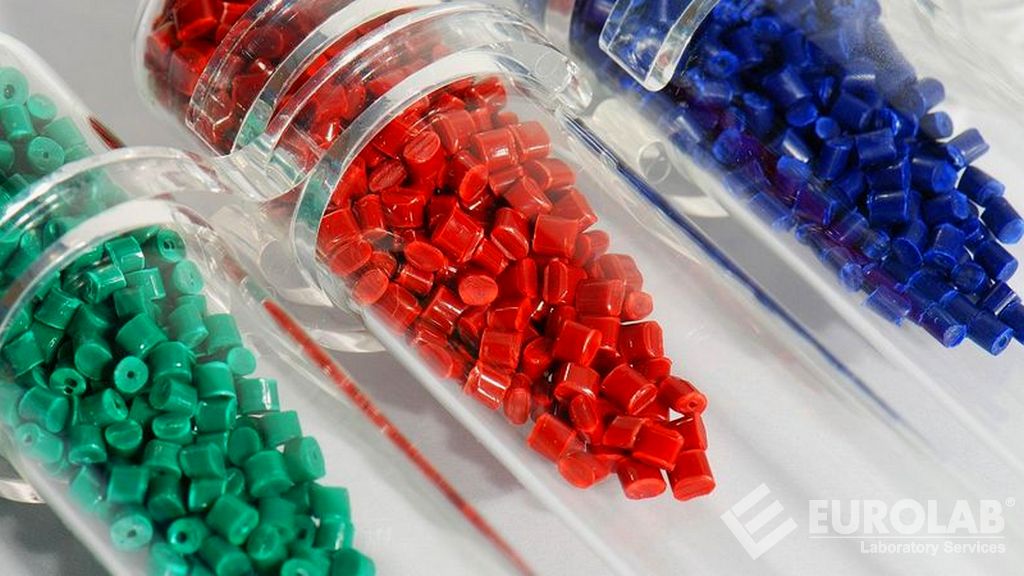
Plastics are always made up of large molecules called polymers. Polymers consist of many identical small particles arranged like a chain. These individual small particles are called monomers. The length of these polymer chains determines the properties of the plastic. For example, for polyethylene, the length of the polymer chain determines the stiffness of this type of plastic.
Plastic is produced in all sizes and shapes. Very hard plastics are almost as strong as metal. However, there are also soft and flexible plastic types. Various properties are achieved by changing the temperature or pressure at which the plastic is processed, or by changing the manufacturing processes, such as adjusting the types of monomers used. Manufacturers play with the molecular structure of plastic by adding various chemical compounds.
Plastic materials are compressed into a shape and after cooling, the product maintains this shape. Today, the plastics industry is constantly developing new types of plastics and applications. All of these have different characteristics from each other. Major examples of synthetic polymers are polystyrene, polyethylene, polyethylene terephthalate, polypropylene and polyvinyl chloride (PVC).
There are actually two groups of plastics: thermoplastics and thermosets. Thermoplastics soften when heated. In principle, they can be melted and reshaped in a mold. Thermoplastics are recyclable plastics. Film/wrapping, bottles, clothing, polystyrene, and many other products belong to this group of plastics. Thermosets, on the other hand, cannot be melted after they are produced. They remain hard even when heated. This type of plastic is used in electrical outlets and sailboat hulls. However, the unfortunate reality is that neither type of plastic naturally decomposes after being released into the environment. They can only decompose under very specific conditions.
Our organization also provides plastic polymer analysis services with its trained and expert staff and advanced technological equipment, among the numerous test, measurement, analysis and evaluation studies it provides for businesses in various sectors.
To get an appointment, to get more detailed information or to request an evaluation, you can ask us to fill in our form and reach you.

