SES N 3292 Indoor Lightfastness Test
The “SES N 3292 Indoor Lightfastness Test” standard, developed by Suzuki Motor Corporation for indoor durability/lightfastness, describes a test method used to evaluate how resistant interior materials are to color fading, especially when exposed to sunlight.
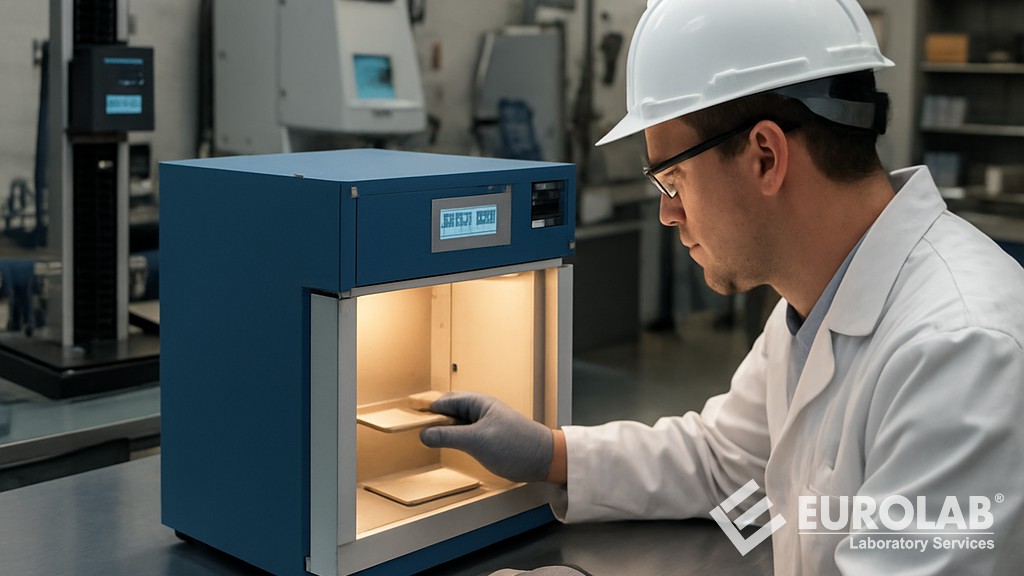
Lightfastness refers to a material's ability to retain its original color and appearance after prolonged exposure to the following light sources:
- Sunlight (UV radiation)
- Artificial light (for example, xenon arc lamps)
This is very important in vehicles because the interior components are constantly exposed to sunlight through the windows.
The SES N 3292 standard guarantees that interior materials meet the following requirements:
- Not fading excessively over time.
- Preserving aesthetic quality.
- Meeting durability expectations in real-life conditions.
Interior lightfastness testing measures how well automotive interior materials resist fading, discoloration, or deterioration when exposed to light, particularly sunlight (UV radiation). Inside a vehicle, materials are constantly exposed to:
- Direct sunlight coming through the windows
- UV radiation
- A combination of exposure to heat and light.
Over time, this can cause colors to fade or materials to weaken. Lightfastness testing simulates these conditions in a controlled environment. The most commonly used test method is found in standards such as SES N 3292 and includes:
- Sample preparation: Materials such as fabric, leather, plastic, or upholstery pieces are prepared.
- Artificial light exposure: Samples are placed in a test chamber with the following characteristics and exposed to controlled artificial light.
- Xenon arc lamps (simulate sunlight)
- It applies controlled temperature and humidity.
- Exposure time: Materials are exposed for hours or days to mimic real-life sunlight lasting months or years. Conditions include defined temperature, humidity, and exposure time.
- Assessment: After exposure, the sample is compared to an unexposed reference, and the results are evaluated as follows:
- Visual comparison (grayscale grading)
- Instrumental measurement (color difference value)
- Materials are graded according to the following criteria:
- Degree of fading or discoloration
- Homogeneity of color change
- Acceptable limits as defined by the manufacturer.
Higher ratings indicate better light resistance.
The effects of interior lightfastness in the automotive industry are as follows:
- It preserves the interior's appearance: It prevents fading of seats, instrument panels, and door panels. It keeps the vehicle looking new and premium over time. Without this test, interiors may become dull, uneven, or yellowed.
- It enhances material durability: It identifies materials that deteriorate when exposed to UV rays. It helps engineers select UV-resistant materials. It prevents cracking, brittleness, and surface damage.
- It improves customer satisfaction: Customers expect interior spaces to maintain color consistency. It reduces complaints about fading or aging.
- Supports original equipment manufacturer (OEM) quality standards: Required by OEMs. Ensures materials meet stringent durability and quality criteria.
- Reduces warranty costs: Prevents premature material failure. Minimizes repairs or replacements due to fading.
If a car is parked in the sun every day,
- If a lightfastness test is not performed, the seats will fade and the instrument panel will change color.
- If properly tested, the materials will remain consistent and visually appealing for years.
In short, interior lightfastness testing is very important in the automotive industry because,
- It preserves the appearance.
- It provides long-term durability.
- It improves customer experience.
- Meets manufacturer standards.
The SES N 3292 standard applies to the following:
- Upholstery fabrics
- Dashboard materials
- Door panels
- Carpets and upholstery
- Synthetic and natural leathers
Because automotive interiors are constantly exposed to sunlight, UV radiation, and heat, interior lightfastness testing is necessary. This is because materials can quickly deteriorate if not properly tested. The SES N 3292 standard is considered important for these reasons:
- Prevents fading and discoloration: Without requiring lightfastness,
- Fabrics, leather, and plastics may fade or change color.
- Irregular color tones may occur in the interior.
This standard ensures that materials retain their original color and visual quality over time.
- It ensures material durability: UV light not only affects the color, but also...
- It can weaken the material structure.
- It can cause cracking, brittleness, or surface deterioration.
Tests guarantee that the materials are resistant to long-term environmental stress.
- It preserves brand quality and image: A faded interior makes a car look old and low-quality. Automobile manufacturers use this standard to ensure a superior look throughout the vehicle's lifespan.
- It increases customer satisfaction: Customers expect the following:
- Interiors that look new for years to come.
- No visible fading or defects.
This standard helps prevent complaints and improve user experience.
- It reduces warranty and maintenance costs: Low light resistance can lead to:
- Premature replacement of interior parts
- Increased warranty claims
Proper testing minimizes financial losses for manufacturers.
- Ensures compliance with original equipment manufacturer requirements: Automotive companies require suppliers to adhere to strict standards such as SES N 3292. This ensures consistent quality and reliable supplier performance across all components.
Materials tested under the SES N 3292 standard are designed to withstand these effects, ensuring the interior looks new for longer.
For many years, our organization, with its competent and experienced team, has been understanding the needs of its clients, providing the advanced testing services they require, and assisting them in the establishment, implementation, and improvement of management systems. Within this framework, we also provide testing services compliant with the SES N 3292 standard.



