

The standard “ASTM D3313 Carbon black - Standard test method for individual pellet hardness,” developed by the American Society for Testing and Materials (ASTM), describes a method for measuring the crushing strength of individual carbon black pellets.
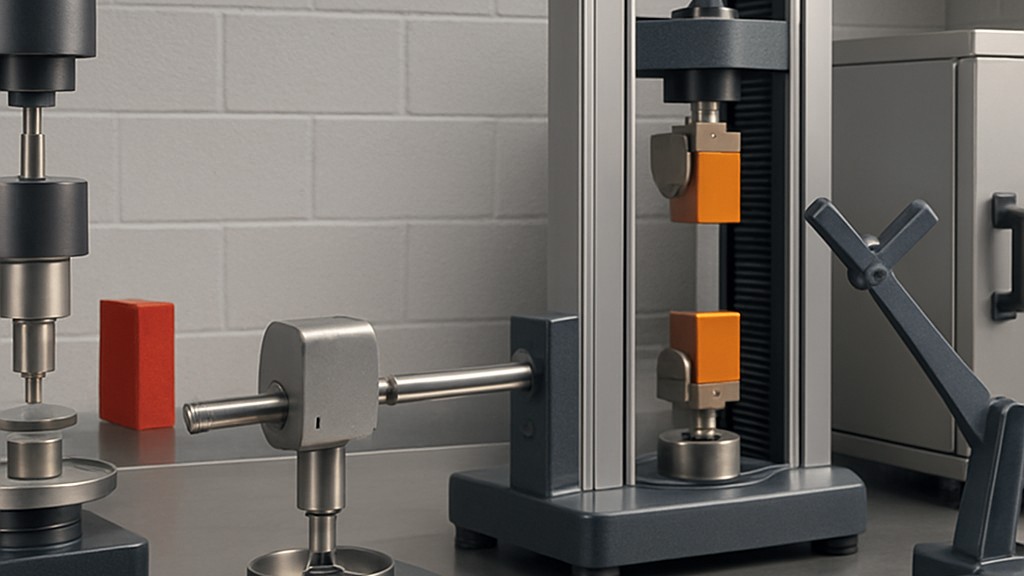
Pellet hardness is related to several carbon black properties, including bulk strength and wear. In some mixed compounds containing carbon black, the level of dispersion achieved can be affected by pellet hardness. Acceptable pellet hardness should be determined by the user and the manufacturer.
ASTM D5230 Standard Test Method for Carbon Black - Automated Individual Pellet Hardness" is the preferred standard for testing individual pellet hardness. It is recognized that the ASTM D3313 standard test method relies on operator judgment and therefore introduces an additional source of variation for this test.
ASTM D3313 standard includes a procedure for measuring the hardness of individual carbon black pellets, a critical property affecting their handling, processing, and performance in applications such as rubber, plastics, and coatings. This standard is essential for industries that rely on carbon black as a reinforcing filler or pigment.
This standard defines a method for determining the hardness of individual carbon black pellets, which are small, compacted carbon black granules used in production. In this context, hardness refers to a pellet's resistance to crushing or deformation under a given force, measured in grams-force or newtons. This property is crucial for assessing the durability of carbon black pellets during transport, storage, and processing, as well as their ability to disperse homogeneously in compounds such as rubber or plastics. This standard is particularly important for quality control in the production of carbon black, a material widely used to enhance product strength, color, and UV resistance.
The ASTM D3313 standard applies to pelletized carbon black, typically produced by processes such as wet or dry pelletizing, and is used in:
This standard is critical for manufacturers, suppliers, and end users to ensure that carbon black pellets maintain their structural integrity and perform reliably in a variety of industrial processes.
ASTM D3313 standard includes a standardized procedure for measuring the force required to crush individual carbon black pellets. The basic steps of this method are:
Tests are performed under controlled laboratory conditions using calibrated equipment to ensure accuracy and repeatability.
The ASTM D3313 standard is critical across various industries for the following reasons:
The ASTM D3313 standard is part of a series of ASTM standards for carbon black. For example,
Collectively, these standards provide comprehensive evaluation of carbon black properties for a variety of applications.
Meanwhile, the application of the ASTM D3313 standard presents a number of challenges:
As a result, the ASTM D3313 standard is a vital standard for evaluating individual carbon black pellet hardness and ensuring its durability and performance in applications such as rubber, plastics, and coatings. By providing a standardized and repeatable method, it supports quality control, processing efficiency, and regulatory compliance for manufacturers and end users. Its adoption across industries highlights its importance in delivering high-quality carbon black products that meet stringent performance requirements.
Our organization, which has been serving for many years and meticulously following global developments in science and technology, conducts testing, measurement, and analysis in a wide range of areas for businesses in every sector with a skilled team and extensive infrastructure. In this context, we also provide testing services in accordance with the "ASTM D3313 Carbon Black - Standard Test Method for Individual Pellet Hardness."
To get an appointment, to get more detailed information or to request an evaluation, you can ask us to fill in our form and reach you.

