

The standard “ISO 7207-2 Implants for surgery - Components for partial and total knee joint prostheses - Part 2: Articular surfaces made of metal, ceramic and plastic materials” developed by the International Organization for Standardization (ISO) describes the surface finishing requirements for articular surfaces of total and partial knee joint prostheses classified in accordance with the ISO 7207-1 standard. The ISO 7207-2 standard aims to provide guidance for the periodic verification of manufacturing processes.
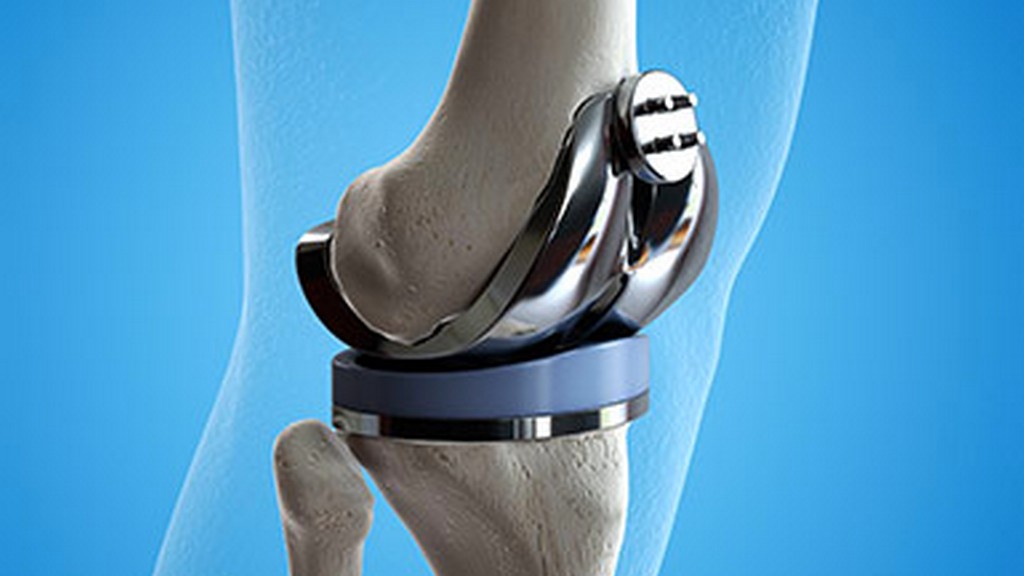
Surface finish requirements are generally described in this standard as follows: All surface quality measurements must be carried out in accordance with the maximum rule defined in the standard “ISO 21920-3 Geometrical product specifications (GPS) - Surface texture: Profile - Part 3: Specification operators”. The maximum rule states that no measurement value should exceed the specified Ramax value.
The requirements for knee joint prostheses in this standard are explained as follows:
The following details should be reported along with the surface roughness values: needle tip radius and location of measurements on the sample.
When examined with normal or corrected vision, the articulating surface should be free of embedded particles, defects, raised edges, and scratches and scoring marks.
The following details should be reported along with the surface roughness values: needle tip radius and location of measurements on the sample.
When examined with normal or corrected vision, the articular surface should be free of embedded particles, defects, raised edges, and scratches and scoring marks.
The following details should be reported along with the measured surface roughness values: needle tip radius and location of the measurements on the sample.
When examined with normal or corrected vision, the articular surface should be free from embedded particles, defects, raised edges, and scratches and scoring marks other than those resulting from the finishing process.
Among the numerous testing, measurement, analysis and evaluation studies that our organization has carried out for businesses in various sectors, our organization also provides testing services defined in the standard “ISO 7207-2 Implants for surgery - Components for partial and total knee joint prostheses - Part 2: Joint surfaces made of metal, ceramic and plastic materials” with its trained and expert staff and advanced technological equipment.
To get an appointment, to get more detailed information or to request an evaluation, you can ask us to fill in our form and reach you.

