ASTM A342/A342M Standard Test Methods for Permeability of Weakly Magnetic Materials
The standard "ASTM A342/A342M Standard Test Methods for Permeability of Weakly Magnetic Materials," published by the American Society for Testing and Materials (ASTM), describes three test methods for determining the permeability (relative permeability) of materials with a permeability not exceeding 4,0. The test methods covered are:
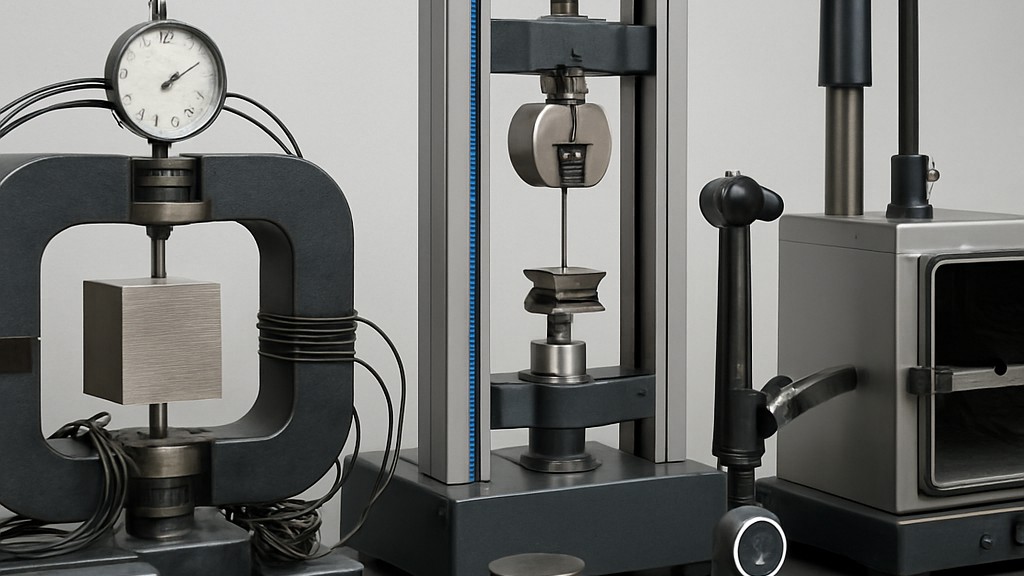
- Test Method 1: Magnetic Balance Method: This method measures the force between a test sample and a magnet. This method is particularly suitable for materials with very low magnetic permeability (close to 1,0). It is generally suitable for materials with permeability between 1,0 and 4,0. It is primarily used for quality control and material separation.
- Test method 2: Permeability indicator method: This method is a non-quantitative method using calibrated indicators. It is ideal for on-site assessments and quick checks. It is generally suitable for measuring the permeability of paramagnetic materials with a permeability less than 1,05.
- Test Method 3: Field Strength Measurement Method: This method involves measuring the magnetic field strength generated by a test sample when exposed to a known field. This method is more sensitive and suitable for research and development environments. It is generally suitable for measuring the permeability of a material, either less than or greater than the permeability of calibrated standard inserts designed for use in a low-mu (μ) permeability gauge. Low-mu generally refers to magnetic materials with low permeability. This term represents the magnetic permeability of a material, while low-mu means low magnetic permeability.
These test methods are suitable for specification acceptance, design purposes, service evaluation, regulatory compliance, production control, and research and development. Due to sample shape and size limitations, these test methods are most often used to evaluate semi-finished products prior to part manufacturing.
ASTM A342/A342M is a standard that provides test methods for measuring the permeability of weakly magnetic materials. This standard is particularly important in applications where magnetic properties must be controlled or minimized, such as those in the medical device, aerospace, electronics, and nuclear industries.
Magnetic permeability is a material property that indicates how easily a material can support the formation of a magnetic field within itself. For non-magnetic or weakly magnetic materials, maintaining consistent, low permeability is critical to maintaining performance in sensitive environments.
This standard provides three different test methods for determining the relative magnetic permeability of materials that exhibit only weak magnetic behavior:
The ASTM A342/A342M standard is typically used for:
- In the certification of non-magnetic stainless steels such as austenitic grades 304L and 316L
- Qualification of materials used in magnetic resonance imaging equipment where magnetic interference must be minimized
- To ensure that materials meet specifications for nuclear and aerospace applications
- To verify that materials are not magnetized during production or transportation
Materials commonly tested under the ASTM A342/A342M standard include:
- Austenitic stainless steels
- Copper alloys
- Titanium alloys
- Other non-ferrous and non-magnetic metals
Magnetic permeability tests within this standard ensure that materials meet stringent requirements for demagnetization. Even the slightest trace of magnetism can damage sensitive equipment, particularly in environments such as:
- Magnetic resonance imaging
- Subsea or marine applications
- Particle physics laboratories
- Precision measuring systems
This standard is important because magnetic properties (particularly magnetic permeability) can significantly impact performance, safety, and compliance across a wide range of high-risk industries. The key reasons for this standard are:
- Ensures materials are truly non-magnetic: Many materials, such as austenitic stainless steels (e.g., 304L or 316L), are marketed as non-magnetic, but machining or welding can create weak magnetism. This standard provides standardized methods for verifying true magnetic permeability and confirming whether the material meets the low magnetism requirements.
- Critical for magnetic sensitivity applications: Critical areas include:
- Medical imaging: Magnetic materials may distort images or interfere with machine functions.
- Aerospace and defense: Magnetic fields may affect navigation systems or sensors.
- Nuclear power: Magnetic contamination can affect devices or pose safety risks.
- Sensitive devices: Even small magnetic fields can affect results.
This standard ensures that components meet stringent magnetic cleanliness standards to prevent malfunctions or failures.
- Supports quality control and certification: Manufacturers and fabricators use this standard to:
- Confirming that materials meet customer or regulatory requirements (for example, in the nuclear, defense, or medical device sectors).
- Prevent costly rejections or recalls due to unexpected magnetism in finished parts.
- To detect magnetism generated during production (e.g. shaping, machining or welding).
- Assists in material selection and classification: When selecting or classifying non-magnetic alloys, particularly where mixed alloys may be present, this standard can:
- To distinguish between batches with different magnetic properties.
- To prevent mixing of magnetic and non-magnetic materials.
- To provide traceable and repeatable measurements for audit or inspection.
- Standardization means consistency: By using this standard, engineers and manufacturers worldwide can speak the same language when discussing magnetic permeability. They can compare test results consistently across companies, laboratories, and suppliers, and build confidence in materials and finished products across global supply chains.
In short, this standard allows the magnetic behavior of materials to be controlled and verified, especially in applications where even slight magnetism can cause problems.
As a result, ASTM A342/A342M is a vital standard for industries requiring strict control over the magnetic properties of materials. By offering multiple testing methods, it provides flexibility and precision for both production and research environments. Adherence to this standard ensures that materials perform reliably in critical applications where low magnetic permeability is crucial.
Our organization, which has been operating for many years and meticulously follows global developments in science and technology, conducts testing, measurement, and analysis in a wide range of areas for businesses in every sector with a skilled team and extensive infrastructure. In this context, we also provide testing services in accordance with the "ASTM A342/A342M Standard Test Methods for Permeability of Weakly Magnetic Materials" standard.



