SES N 3215 Plastic Durability Requirements
Developed by Suzuki Motor Corporation as part of its plastics and polymer material standards, the “SES N 3215 Plastics Durability Requirements” standard is a material standard that defines how plastic materials and parts should perform over time under real automotive service conditions.
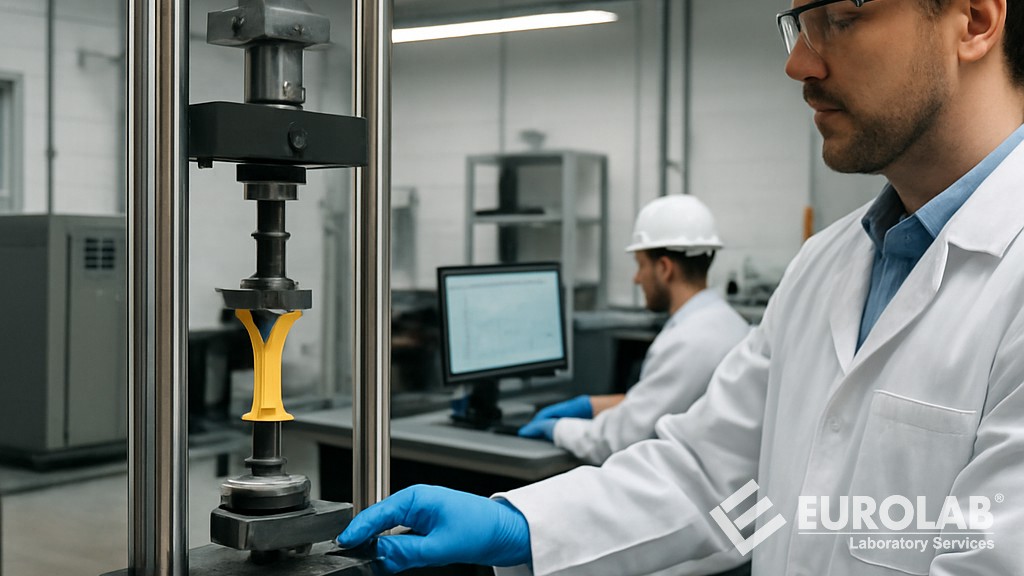
This standard focuses on ensuring that plastic components meet the following criteria:
- To maintain mechanical integrity.
- To be resilient against environmental degradation.
- To maintain the appearance and function of the vehicle throughout its lifespan.
This standard complements the following SES standards:
- SES N 3292 and SES N 3293 Weather and light resistance.
- SES N 3241 Scratch resistance
- SES N 3245 Flame Resistance
The automotive industry is increasingly relying on plastic materials due to their advantages in weight reduction, cost efficiency, design flexibility, and corrosion resistance. Modern vehicles can contain more than 15–20 percent plastic by weight, used in a variety of applications ranging from interior trim to structural and under-the-hood components.
However, plastics are inherently susceptible to aging, environmental degradation, and mechanical fatigue. Therefore, to ensure long-term performance and safety, stringent durability requirements are defined by original equipment manufacturer standards.
Plastic components in vehicles are subjected to a wide variety of service conditions:
- Environmental exposure:
- Ultraviolet (UV) radiation
- Extreme temperatures (minus 40 degrees to plus 120 degrees or higher)
- Moisture, rain, and condensation.
- Road salts and pollutants
UV radiation is particularly critical because it can cause discoloration, brittleness, and surface cracking over time.
- Thermal aging: Automotive plastics must withstand the following:
- Continuously high temperatures (engine compartments)
- Thermal cycles (day/night and seasonal changes)
Thermal stress can lead to the following:
- Impact
- Loss of mechanical strength
- Microcracking
- Mechanical fatigue and impact: Components are subjected to the following:
- Repeated loading cycles
- Vibrations during vehicle operation
- Occasional blows
Durability requirements ensure the protection of the following:
- Impact resistance
- Tensile and bending strength
- Fatigue life
- Chemical exposure: Automotive plastics must withstand the following:
- Fuels and lubricants
- Coolant and brake fluids
- Cleaning agents and environmental pollutants
Chemical degradation can lead to swelling, cracking, or loss of structural integrity.
The SES N 3215 standard defines the following key performance criteria to overcome these challenges:
- Preservation of mechanical properties: After aging tests, materials must retain a certain degree of the following:
- Tensile strength
- Impact resistance
- Elongation at break
- Surface and aesthetic stability: Visible parts must maintain the following:
- Color (low color aberration variation)
- Shine and texture
- Resistant to scratches and abrasion.
- Dimensional stability: Plastic parts must maintain the following:
- It must maintain tight tolerances.
- It is resistant to deformation under heat and load.
This is critical for assembly precision and noise/vibration performance.
- Resistance to aging and degradation: Durability requirements ensure resistance to the following:
- Photo-oxidation (UV-induced degradation)
- Hydrothermal aging
- Oxidative thermal aging
To meet durability requirements, plastics are designed with the following features:
- UV stabilizers to prevent photodegradation.
- Antioxidants to reduce thermal oxidation.
- Filler materials (e.g., glass fibers) to increase strength and fatigue resistance.
Without stabilization, plastics are subject to natural aging processes over time, which degrade their performance.
Durability requirements are considered important for the following reasons:
- Safety and reliability: Failure of plastic components (e.g., clips, housings) can affect:
- Yapısal bütünlük
- electrical systems
- Passenger safety
- Customer satisfaction: Durability ensures the following:
- The interior and exterior parts should not fade or crack.
- Long-term aesthetic quality
- Cost reduction: Appropriate durability design reduces the following:
- Warranty claims
- Maintenance and replacement costs
- Regulatory compliance: Automotive plastics must comply with the following:
- Original equipment manufacturer standards
- International testing standards (ASTM, ISO, IEC)
Durability is verified through accelerated laboratory tests that simulate long-term service conditions. The main durability testing methods are:
- UV and weather resistance tests: Standards such as ASTM G154 and ASTM D4329 simulate sunlight exposure using UV lamps, humidity, and temperature cycles. These tests help predict:
- Color fading
- Surface cracking
- Loss of mechanical performance.
- Thermal aging tests:
- Exposure to a high-temperature furnace.
- Thermal circulating chambers
These tests are used to evaluate long-term heat resistance and dimensional stability.
- Mechanical durability tests:
- Impact test (Charpy/Izod)
- Fatigue test (cyclic loading)
- Vibration test
- Chemical resistance tests: Materials are exposed to automotive fluids and evaluated in the following aspects:
- Swelling
- Cracking
- Property degradation
- Combined environmental testing: Modern standards often combine the following to better simulate real-world conditions:
- UV, heat and humidity
- Mechanical load and temperature
Consequently, in the automotive industry, plastic durability requirements are critical to ensuring materials can withstand long-term environmental, thermal, mechanical, and chemical stresses. Through rigorous testing and materials engineering, automotive plastics are designed to maintain their functionality, safety, and appearance throughout the vehicle's lifespan.
The SES N 3215 standard verifies plastic durability through accelerated aging and life simulation tests.
- Artificial weather exposure (UV chambers)
- Heat aging ovens
- Climate cycle tests
- Combined environmental and load tests
These tests simulate the 10-15 year lifespan of a vehicle in a short period of time.
The main reasons why the SES N 3215 standard is considered important are as follows:
- It ensures long-term reliability.
- It supports relief.
- It protects customer perception.
The SES N 3215 standard applies to the following:
- Interior trim (instrument panel, door panels)
- Exterior parts (bumpers, mirror housings)
- Plastic components under the engine hood
- Clips, connectors, housings
For many years, our organization, with its competent and experienced team, has been understanding the needs of its clients, providing the advanced testing services they require, and assisting them in the establishment, implementation, and improvement of management systems. Within this framework, we also provide testing services compliant with the SES N 3215 standard.



