

The standard "ASTM D3835-16 Standard Test Method for Determining Properties of Polymeric Materials by Capillary Rheometry" published by the American Society for Testing and Materials (ASTM) describes a test method for measuring the rheological properties of polymeric materials at various temperatures and shear rates common in processing equipment. The method covers the measurement of melt viscosity, sensitivity or stability of melt viscosity with respect to temperature and polymer residence time in the rheometer, die swelling ratio (polymer memory), and shear sensitivity during extrusion under constant speed or tension. The methods described allow the characterization of materials exhibiting both stable and unstable melt viscosity properties.
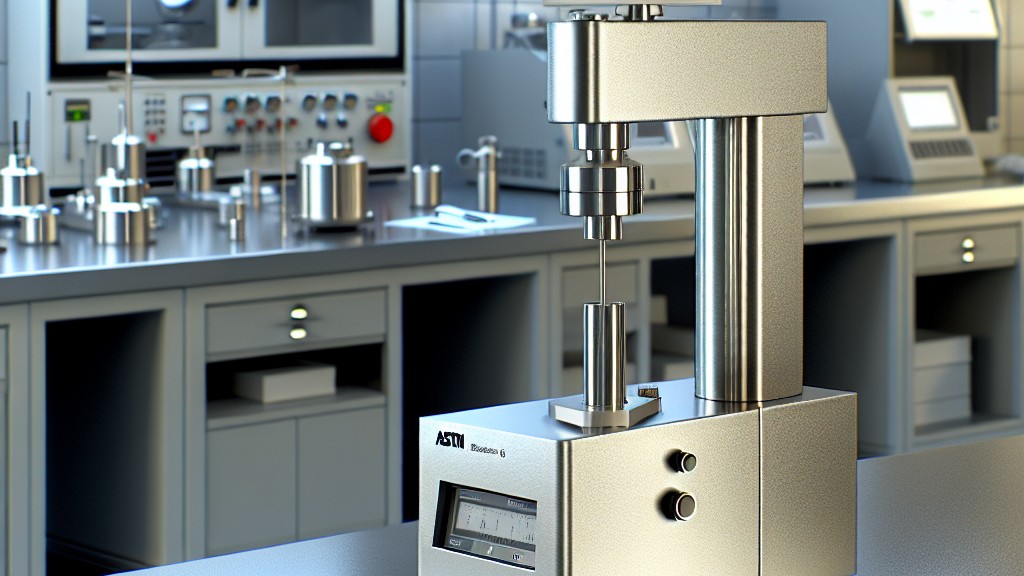
This test method has been found useful for quality control testing on both reinforced and unreinforced thermoplastics, cure cycles of thermoset materials, and other polymeric materials with a wide range of melt viscosities.
For the purposes of this standard, in addition to the terms and definitions given in ASTM D883, the following definitions apply:
This test method is sensitive to polymer molecular weight and molecular weight distribution, polymer stability (both thermal and rheological), shear instability, and additives such as plasticizers, lubricants, moisture supplements, or inert fillers, or a combination of these.
The sensitivity of this test method makes it useful for correlating data with processing conditions and helps predict necessary changes in processing conditions. Unlike ASTM D1238, which typically makes a single-point measurement at a shear rate below processing conditions, this test method determines shear susceptibility and flow properties at processing shear rates and is therefore used to compare materials of different compositions.
The test specimen shall be in any form such as powder, beads, pellets, film strips or moulded ingots which will enter the bore of the cylinder without excessive force. In some cases it is desirable to preform or pelletise a powder. In the case of preformed plugs, any heat applied to the specimen shall be minimised and held constant for all specimens so formed.
Many thermoplastic materials do not require conditioning prior to testing. Materials that contain volatile components, are chemically reactive, or have other unique properties are likely to require special conditioning procedures. In many cases, moisture will accelerate degradation or otherwise affect the repeatability of flow rate measurements. If conditioning is required, the applicable material specification and “ASTM D618-21 Standard Practice for Preparation of Plastics for Testing” apply.
Test temperature, shear rates, and shear stress should be selected based on material properties and within the limitations of the test equipment.
Our organization, which has been trying to support businesses from every sector with its testing, measurement, analysis and evaluation studies carried out in a wide range for years, has a strong staff that closely follows the developments in the world in the field of science and technology and constantly improves itself. In this context, testing services are also provided to businesses in accordance with the "ASTM D3835-16 Standard test method for determining the properties of polymeric materials by means of capillary rheometer" standard.
To get an appointment, to get more detailed information or to request an evaluation, you can ask us to fill in our form and reach you.

