

The “SES N 3205 Polycarbonate Materials” standard, developed by Suzuki Motor Corporation under plastic and polymer material standards, describes the requirements for polycarbonate (PC) materials in the automotive industry. Polycarbonate is a high-performance thermoplastic known for its excellent impact resistance, optical transparency, and dimensional stability, and is therefore widely used in both interior and exterior automotive components.
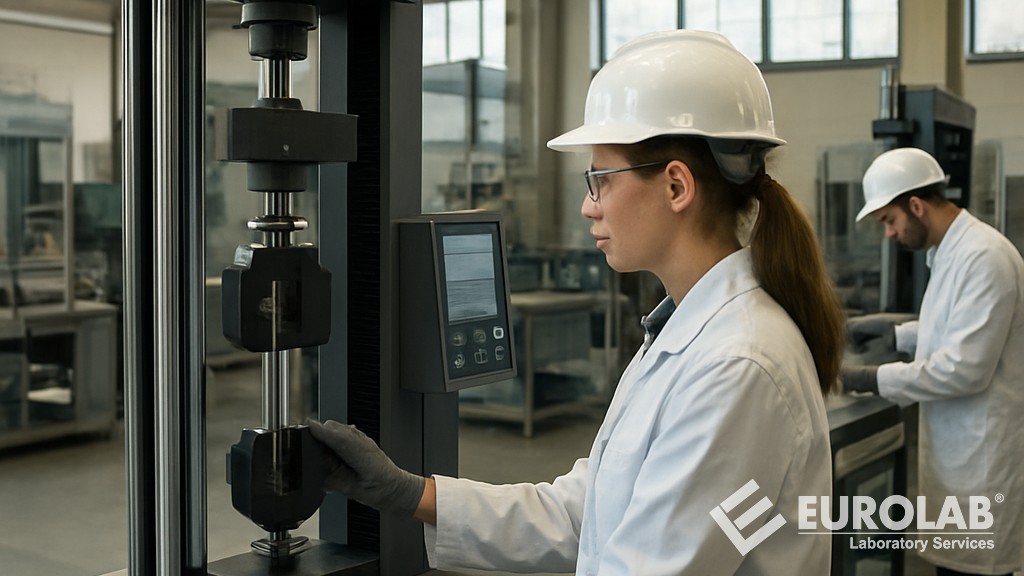
This standard ensures that polycarbonate materials used in vehicle manufacturing meet stringent criteria for mechanical, thermal, optical, and environmental performance.
Polycarbonate (PC) is a high-performance engineering thermoplastic widely used in the automotive industry due to its exceptional impact resistance, transparency, and lightweight properties. As vehicle manufacturers increasingly focus on safety, fuel efficiency, and design flexibility, polycarbonate has become a key material in modern automotive engineering.
Polycarbonate is an amorphous thermoplastic polymer with the following properties:
It can be processed using injection molding, extrusion, and thermoforming methods, which allows for complex and precise component designs.
The basic properties of polycarbonate material are as follows:
The main automotive applications of polycarbonate materials are as follows:
Its transparency and impact resistance make it ideal for safe and durable lighting systems.
Polycarbonate provides a high-quality surface finish and scratch resistance (with coatings).
Its insulation and heat resistance make it ideal for electrical safety applications.
Advantages of polycarbonate materials in the automotive industry:
Challenges and limitations of polycarbonate materials:
To improve performance, polycarbonate is often modified in the following ways:
Polycarbonate is becoming increasingly important in electric and autonomous vehicles:
Its compatibility with advanced manufacturing and intelligent design makes it a material for the future.
From a sustainability perspective, recyclable thermoplastic,
However, recycling requires careful sorting and processing to maintain quality.
Consequently, polycarbonate has become an indispensable material in the automotive industry due to its unique combination of strength, transparency, and lightness. Despite some limitations, its adaptability and performance make it a critical element of modern vehicle safety, efficiency, and design innovation.
As automotive technology evolves, particularly with the rise of electric and autonomous vehicles, polycarbonate will continue to play a key role in shaping the future of mobility.
The SES N 3205 standard includes the following performance requirements:
Test methods are generally consistent with ISO or ASTM standards.
Polycarbonate material is particularly valuable where both impact resistance and transparency are required.
The main reasons why the SES N 3205 standard is considered important are as follows:
Without such a standard, variations in polycarbonate material properties can lead to the following:
In conclusion, the SES N 3205 standard plays a vital role in ensuring high performance, safety, and durability of polycarbonate materials used in automotive applications. With the increasing demand for lightweight, transparent, and impact-resistant components, this standard remains indispensable for modern vehicle design.
For many years, our organization, with its competent and experienced team, has been understanding the needs of its clients, providing the advanced testing services they require, and assisting them in the establishment, implementation, and improvement of management systems. Within this framework, we also provide testing services compliant with the SES N 3205 standard.
To get an appointment, to get more detailed information or to request an evaluation, you can ask us to fill in our form and reach you.

