

The “ASTM D1417-10 Standard Test Methods for Rubber Lattices – Synthetic” standard, developed by the American Society for Testing and Materials (ASTM), describes test methods for synthetic rubber lattices, including acrylate-butadiene rubber, butadiene rubber, chloroprene rubber, isobutylene isoprene rubber, isoprene rubber, nitrile rubber, polybutadiene rubber, pyridine-styrene- butadiene rubber, styrene-butadiene rubber, silicone-coated rubber, synthetic rubber lattices with substituted carboxylic acid groups in the polymer chain (X), and reinforced synthetic rubber lattices (Y). Exceptions to these rubber types are included in individual test procedures.
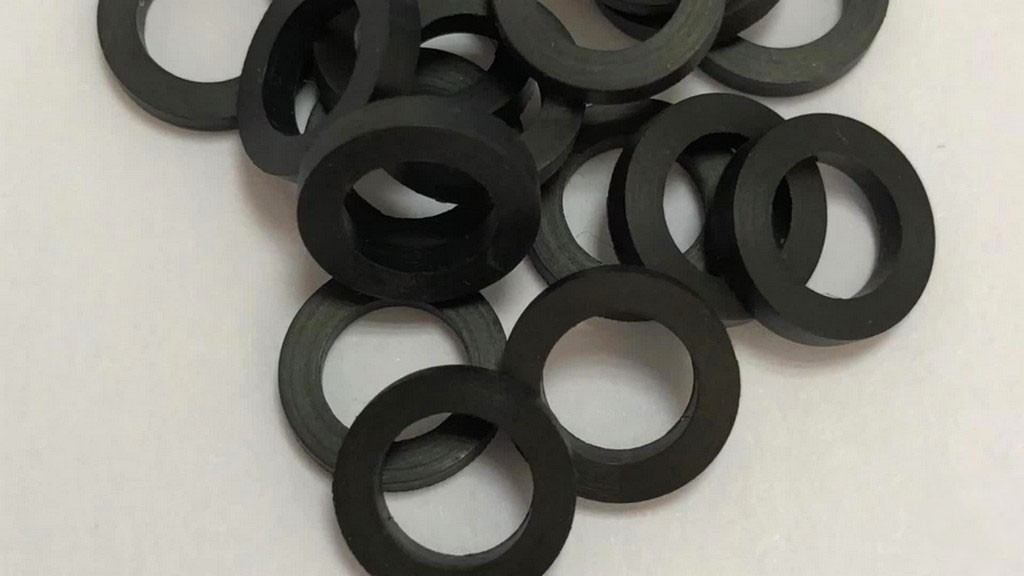
The test methods presented in this standard include determining:
Synthetic rubber is made from chemicals derived from crude oil or coal. Like plastics, it is made from polymer molecules, long chains that give it flexibility and strength. But it is more elastomeric, allowing it to bend and stretch. In contrast, natural rubber is made from renewable latex obtained from the rubber tree. Because the chemical structure of the latex is different, the natural products have different physical properties.
There are several different types of synthetic rubber. Therefore, the methods of production also vary. The first step is generally to refine the source material. Manufacturers begin by refining the source material, which is usually oil or coal. This process ensures that a substance with the right molecular weight is obtained. The next step is to create polymers (long molecules) that will give the synthetic rubber its desired properties. To do this, manufacturers often use Naptha, a flammable liquid hydrocarbon mixture that is also used in plastic manufacturing. When manufacturers mix this with fossil fuel products and natural gas under the right conditions, it produces monomer units that are then combined into polymer chains. Butyl rubber, styrene-butadiene rubber, and nitrile rubber are all made using this method.
The next step is to add chemical compounds that encourage the polymer molecules to form polymer chains. These chains give synthetic rubber its superior properties. The next step is the vulcanization process, which then turns these polymer chains into a more durable material ready for industrial-scale application. Finally, manufacturers turn the synthetic rubber into O-rings, gaskets, and similar products. The field then runs tests to evaluate their thermal stability and chemical properties.
Today, there are many natural and synthetic rubber products in production. Silicone rubber is the most important of these. Silicone rubber is used in applications that require good hygiene and resistance to high temperatures, such as food preparation. Silicone rubber is obtained from a combination of silicon and oxygen, with various additives mixed to improve its properties.
The production of butyl rubber involves combining isoprene with isobutylene. Combining the two makes the rubber unsaturated and suitable for vulcanization.
Ethylene propylene diene monomer rubber is a Class M rubber made from saturated polyethylene chain elastomers. Commonly used for garden hose pipes, pond liners, belts, electrical insulation, solar panel heat collectors, rubber bands, and speaker cone surrounds.
Nitrile type rubber is made from compounds of butadiene and acrylonitrile using an emulsion polymerization process. Acrylonitrile is a highly reactive substance. When mixed with butadiene, it forces a vulcanization reaction, resulting in the production of oil-resistant nitrile.
Polybutadiene rubber, or simply butadiene rubber, is a type of rubber made from solution polymerization of the high molecular weight monomer 1,3-butadiene. This rubber-like substance is used directly in rubber products, plastics, and some fuels.
Neoprene is a type of rubber made from hydrochloric acid, acetylene, and chloroprene. The molecules are bonded together using chloroprene, which is then turned into chips that are melted with foaming agents and carbon pigments. Further heating causes the rubber to expand and take its final shape.
As a result, natural rubber comes from rubber trees. In contrast, synthetic rubbers come from crude oil and other hydrocarbons. Synthetic rubber tends to have superior properties to natural rubber in most consumer and industrial scale applications. It is stronger, more flexible, and can withstand high temperatures.
Among the numerous testing, measurement, analysis and evaluation studies that our organization has provided for businesses in various sectors, it also provides testing services defined in the "ASTM D1417-10 Standard test methods for rubber lattices-synthetic" standard with its trained and expert staff and advanced technological equipment.
To get an appointment, to get more detailed information or to request an evaluation, you can ask us to fill in our form and reach you.

