

Pressure distribution and pressure levels affect the wear of total knee replacements. It is possible to determine the contact area and the amount of pressure (in MPa) using pressure films. A computerized calibration method has been developed to obtain reproducible results while avoiding the disadvantages of pressure films. A separate calibration is performed for each test series. Digital image processing is used to analyze the results.
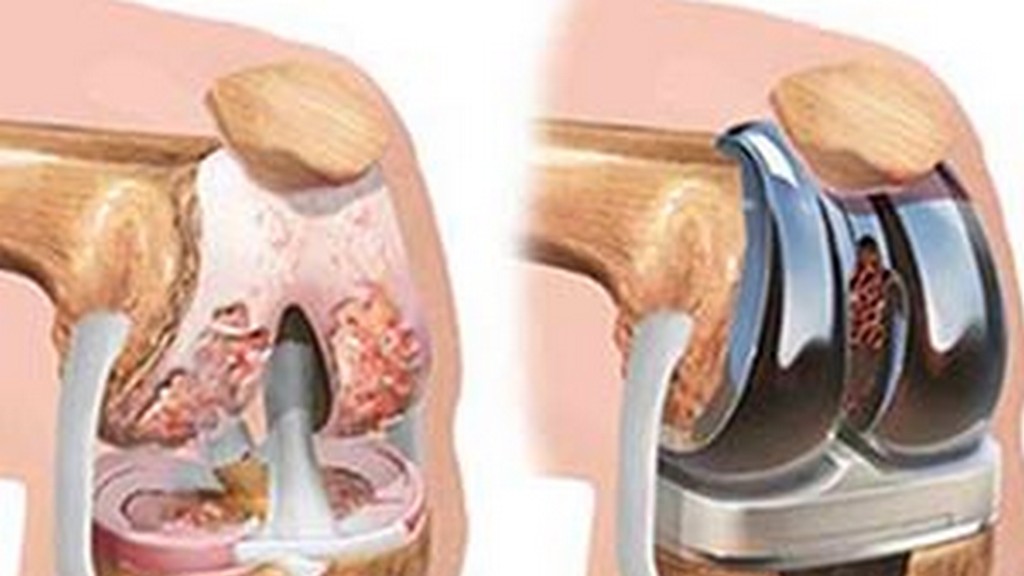
The standard “PI-17 Determination of total knee implant contact pressure” developed by PI Medical Implants describes a test method to evaluate the pressure distribution and total contact area between the femoral component and the tibial insert or the femoral component and the patella insert of a total knee prosthesis system under different flexion angles and loads. The results obtained help develop optimized geometries.
The following two standards, developed by the American Society for Testing and Materials (ASTM), provide guidance on this subject:
Included in the scope of ASTM F2083-21 are interchangeable components of modular designs, such as tibial articulating surfaces, and all components that are labeled or can be used with cement, regardless of whether the same components can be used without cement.
This standard is intended to provide basic descriptions of materials and prosthesis geometry. Additionally, features determined to be important for the in vivo performance of the prosthesis are defined. However, compliance with this specification does not in itself define a device that will provide adequate clinical performance.
This standard does not cover the quality assurance, design control and production control details included in the “21 CFR 820 Food and Drug Administration, Medical Devices - Part 820 Quality system regulation” and “ISO 9001 Quality Management System” standards. Devices for special applications are not within the scope of this standard.
ASTM F1672-14 specifies the basic material specifications, axisymmetric and asymmetric device geometry, and in-vivo performance characteristics for patella resurfacing prosthetic devices used to provide a functional joint between the patella and femur bones. All devices meeting this specification shall be manufactured from materials of adequate mechanical strength and durability, corrosion resistance, and biocompatibility. In evaluating their safety and effectiveness, patella prostheses shall meet specified minimum acceptance criteria for the following failure modes: dislocation or lateral subluxation tests, component separation tests, fixation failure tests, device fracture tests, contact area and contact pressure tests, articular surface wear tests (ISO 14243-5), porous metal coating tests, and various other mechanical tests.
Among the numerous tests, measurements, analyses and evaluation studies that our organization has carried out for businesses in various sectors, it also provides testing services defined in the “PI-17 Determination of Total Knee Implant Contact Pressure” standard with its trained and expert staff and advanced technological equipment.
To get an appointment, to get more detailed information or to request an evaluation, you can ask us to fill in our form and reach you.

