

The standard “FN-QB-049 Plastic parts and integrated components - DV test outlines” describes the terminology, technical requirements, and test methods for plastic parts used by Farasis Energy (Ganzhou). This standard applies to plastic parts and integrated components (including raw materials and finished products) used in lithium-ion power battery modules and battery packs manufactured by Farasis Energy (Ganzhou).
For the purposes of this standard, the following definitions apply:
Unless otherwise specified, all tests and measurements should be carried out in accordance with the GB/T 2421.1 standard, provided that the samples are stored at a room temperature of 23 degrees plus/minus 2 degrees Celsius and a relative humidity of 50 percent plus/minus 5 percent for 24 hours.
The main test methods defined in this standard are:
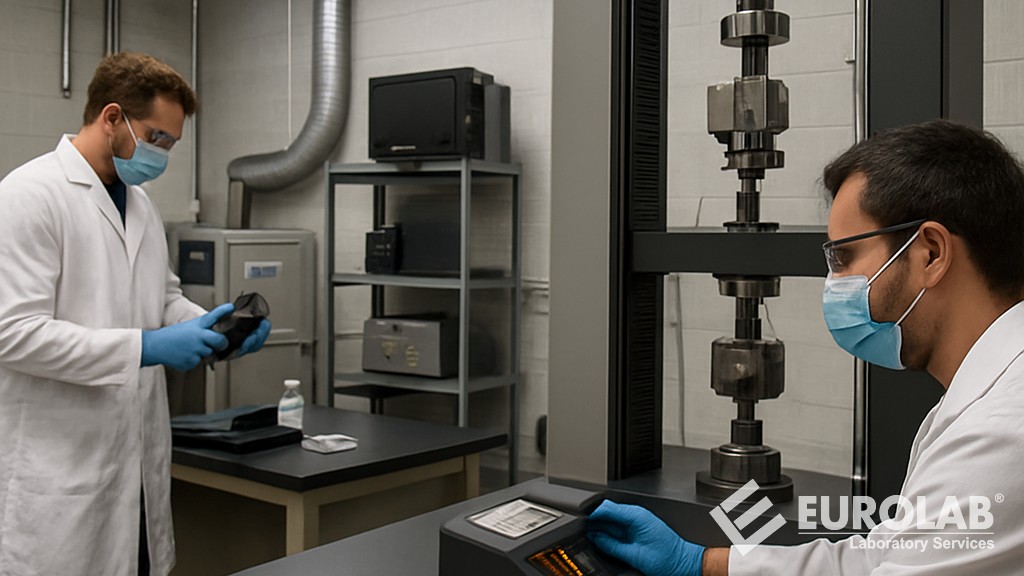
Design validation tests (DV tests) for plastic parts and integrated components are a vital part of the automotive product development and quality assurance process. These tests verify that plastic components and assemblies meet design specifications, performance requirements, safety standards, and durability expectations before full production approval.
Design validation tests focus on ensuring that prototypes or pre-production parts perform as intended by testing them under simulated or real-world conditions.
Plastic parts are individual components made, molded, or shaped from polymers (e.g., polypropylene, ABS, polycarbonate), such as bumpers, trim pieces, housings, brackets, or interior panels.
Integrated components are more complex assemblies that combine plastics with other elements such as metal inserts, electronics, foams, adhesives, or fabrics (for example, instrument panels with embedded displays, door modules with wiring, or seat structures).
These are common in vehicle interior, exterior, and under-hood applications, where lightweight plastics help reduce weight, improve fuel efficiency, and enable innovative designs.
These tests ensure that the parts can withstand the following:
These test results are critical for original equipment manufacturers and suppliers to meet regulatory standards and prevent recalls.
Common verification tests for these parts are usually specified in specific documentation, but generally conform to industry standards (such as ASTM, ISO, SAE). Typical categories include:
These tests are performed on samples produced with manufacturing tools and materials. The results are included in approval processes, which typically require third-party laboratories for certification.
For many years, our organization, with its competent and experienced staff, has been understanding the needs of its customers, providing the advanced testing services they require, and assisting them in the establishment, implementation, and improvement of management systems. Within this framework, we also provide testing services to businesses in accordance with the “FN-QB-049 Plastic parts and integrated parts - DV test guidelines” standard.
To get an appointment, to get more detailed information or to request an evaluation, you can ask us to fill in our form and reach you.

