

Test to evaluate the solderability of printed board surface conductors, junction areas and coated through holes in the IPC-J-STD-002E standard published by the Printed Circuits Institute (IPC), a trade association established to standardize the assembly and manufacturing requirements of electronic equipment and assemblies. methods, defect definitions and illustrations are presented.
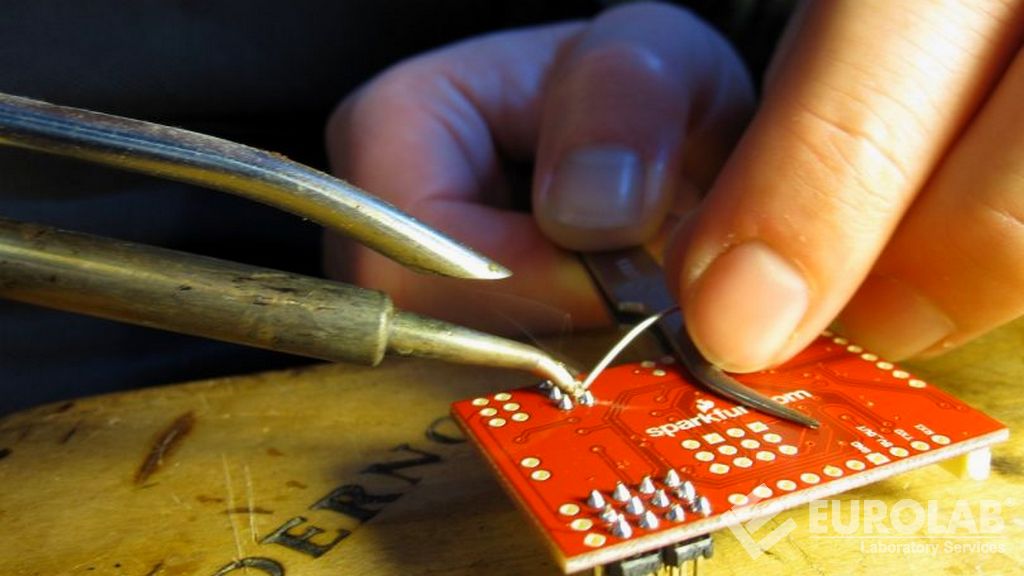
It is not the purpose of this standard to verify the potential for successful machining in assembly or to evaluate the effect of design on wettability. This standard describes procedures or methods for determining the acceptable wettability of a lacquer.
Wettability is affected by handling, end application and environmental conditions. This standard describes the solderability determinations made to verify that the printed cardboard production processes and subsequent storage do not adversely affect the solderability of the printed cardboard sections intended to be soldered. Solderability is determined by evaluating a test sample machined as part of a panel and then removed for testing according to the chosen method.
In the IPC-J-STD-003C standard, three general classes have been established to reflect gradual increases in sophistication, functional performance requirements, and test/audit frequency. The classification is as follows:
Printed card performance classes do not specify surface finish durability rating. This standard is based on input from the coating process subcommittee and the 4500 series printed card surface finishing documents created within that subcommittee to determine the durability rating potential for each specified finish .
Among the numerous test, measurement, analysis and evaluation studies it provides for businesses in various sectors, our organization also provides solderability testing services for printed cardboards within the scope of IPC-J-STD-003C standard, with its trained and expert staff and advanced technological equipment.
To get an appointment, to get more detailed information or to request an evaluation, you can ask us to fill in our form and reach you.

