

The standard “DIN 52296 Glass and glass ceramics - Hydrolytic resistance of the surface of glass and glass ceramic panels at 98 degrees - Test method and classification,” published by the German Institute for Standardization (DIN), describes a method for determining the water resistance of glass and glass-ceramic panel surfaces. In this method, the panels are exposed to hot water at 98 degrees for one hour. Furthermore, it specifies the classification of these panels according to the surface water resistance determined using the described test method.
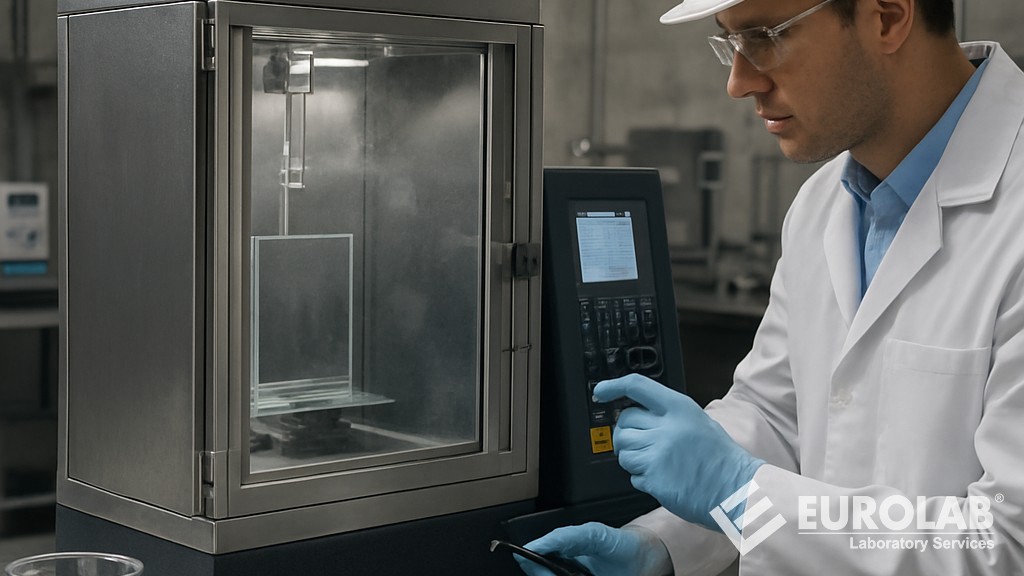
In the world of materials science, standards play a crucial role in ensuring quality, safety, and reliability across industries. The DIN 52296 standard addresses a specific aspect of glass and glass ceramic performance: their resistance to hydrolytic degradation. This standard provides a standardized method for evaluating how resistant these materials are to the chemical effects of water at high temperatures, which is essential for applications where durability in humid or aqueous environments is critical. The DIN 52296 standard forms the basis of quality control in sectors such as laboratory equipment, pharmaceutical packaging, and even consumer goods like cookware.
Glass and glass ceramics are ubiquitous materials due to their transparency, thermal stability, and chemical inertness. However, when exposed to water (especially at high temperatures), these materials can undergo hydrolysis. This is a process where water molecules react with the silica network, leading to the leaching of ions such as sodium or calcium from the surface. This degradation can compromise the integrity of the material, alter its optical properties, or release contaminants, posing risks in sensitive applications.
The DIN 52296 standard was developed to standardize this hydrolytic resistance test, specifically at 98 degrees, simulating accelerated aging or sterilization conditions without boiling. This standard helps manufacturers and users select appropriate products by classifying materials into performance classes according to the degree of surface change. It applies to flat glass and glass ceramic plates, excluding vessels or tubes (which are covered by related standards such as ISO 695 for hydrolytic class testing).
The method defined in the DIN 52296 standard is a rigorous and repeatable method designed for laboratory environments. The basic steps of this method are as follows:
This method ensures that the results are objective and dependent on real-world performance, with tolerances for variations in glass composition (e.g., soda-lime and borosilicate).
The value of the DIN 52296 standard lies in its ability to predict long-term durability under stress. For example, in the pharmaceutical industry, glass bottles and ampoules must be resistant to hydrolysis during steam sterilization at 121 degrees Celsius, and exceeding the DIN 52296 standard at 98 degrees Celsius is associated with better performance under more demanding conditions. Similarly, in the food sector, glass ceramics used in ovenware benefit from this certification to prevent the migration of ions into edible products.
From a regulatory standpoint, compliance with the DIN 52296 standard supports adherence to broader frameworks such as the European Pharmacopoeia or FDA regulations on removable and leakable materials. It also aids in quality assurance in the production process where batch-to-batch consistency is critical. For glass manufacturers, achieving higher grades can provide a competitive advantage by influencing material formulations, such as increasing alumina content to improve surface stability. Environmentally, this standard promotes sustainable practices by extending material lifespan and reducing waste from premature failures.
In conclusion, the DIN 52296 standard, by measuring hydrolytic resistance, provides protection against unseen security vulnerabilities and promotes innovation and safety.
For many years, our organization, with its competent and experienced staff, has been understanding the needs of its customers, providing the advanced testing services they require, and assisting in the establishment, implementation, and improvement of management systems. Within this framework, we also provide testing services to businesses in accordance with the "DIN 52296 Glass and glass ceramics - Hydrolytic resistance of the surface of glass and glass ceramic plates at 98 degrees - Test method and classification" standard.
To get an appointment, to get more detailed information or to request an evaluation, you can ask us to fill in our form and reach you.

