

The standard “PI-52 Expulsion test - Spinal implants” developed by PI Medical Implants describes a procedure for determining the mechanical resistance of spinal implants to expulsion forces. This test method can be used for lumbar and cervical cages as well as VBRs. Polyurethane blocks that conform to the external shape of the implants are used to simulate the spine. During the test, an axial preload is applied and the implant is pushed in the ap or pa direction until a predefined movement occurs. Six implants are generally used in these tests.
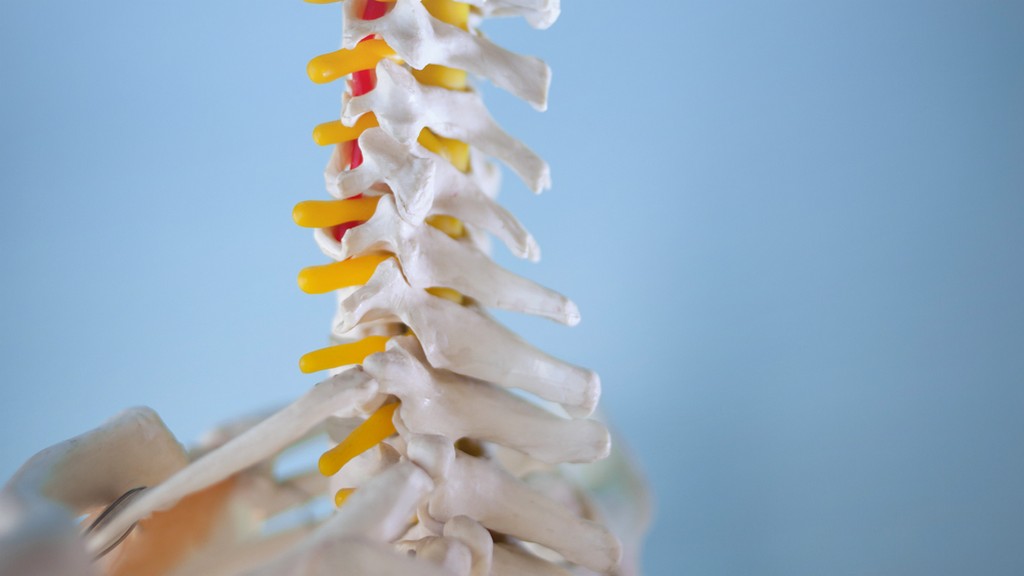
Spinal implants are often used to stabilize and strengthen the spine. They are used in surgeries for a wide variety of spinal conditions, including degenerative disc disease, herniated discs, spinal stenosis, and spinal misalignment. These implants are made of body-friendly materials such as titanium, titanium alloy, stainless steel, and plastic. Titanium implants are strong and lightweight and can be taken in MRI scans.
Research and development of new implants continues. These new technologies have many benefits. For example, better pain and symptom relief, lower risk of implant fracture or failure, reduced risk of complications, faster healing and recovery, and implants that are custom-fit for your body and condition.
Spinal implants play a variety of roles, both during and without spinal fusion surgery. The benefits of spinal implants depend largely on the type of implant and the group to which they belong. In general, implants are used to facilitate the fusion of two vertebrae, increase stability of the spine, strengthen the spine, and correct any deformities.
Spinal implant removal requires a second surgical procedure, which carries risks such as surgical site infection, neurovascular injury, significant loss of segmental kyphosis correction, worsening of back pain, and re-fracture.
In extraction tests, the extraction force is determined by placing the implant between two machined blocks and applying a defined axial preload. A transverse load, which determines the extraction force, is applied to the implant by a test actuator through a compression die until the implant is removed. The determined maximum force defines the extraction force.
The servo-hydraulic testing machine used in these tests has a compact design and extremely low noise, and when used together with the test fixture for torsional tests on vertebral bodies, it provides an optimum solution for testing vertebral body replacements in any laboratory.
The main tests performed in vertebral body replacements are:
Among the numerous tests, measurements, analyses and evaluation studies that our organization has carried out for businesses in various sectors, it also provides testing services defined in the “PI-52 Removal test - Spinal implants” standard with its trained and expert staff and advanced technological equipment.
To get an appointment, to get more detailed information or to request an evaluation, you can ask us to fill in our form and reach you.

