

The IPC J-STD-006C standard published by the Printed Circuits Institute (IPC) describes the nomenclature and requirements for electronic-grade solder alloys and defines test methods. This standard covers flux and non-flux bar, strip, wire and powder solders and special form electronic grade solders for electronic soldering applications. This is a quality control standard and is not intended to be directly related to the material's performance in the manufacturing process. Solders for applications other than electronics are supplied using ASTM standards.
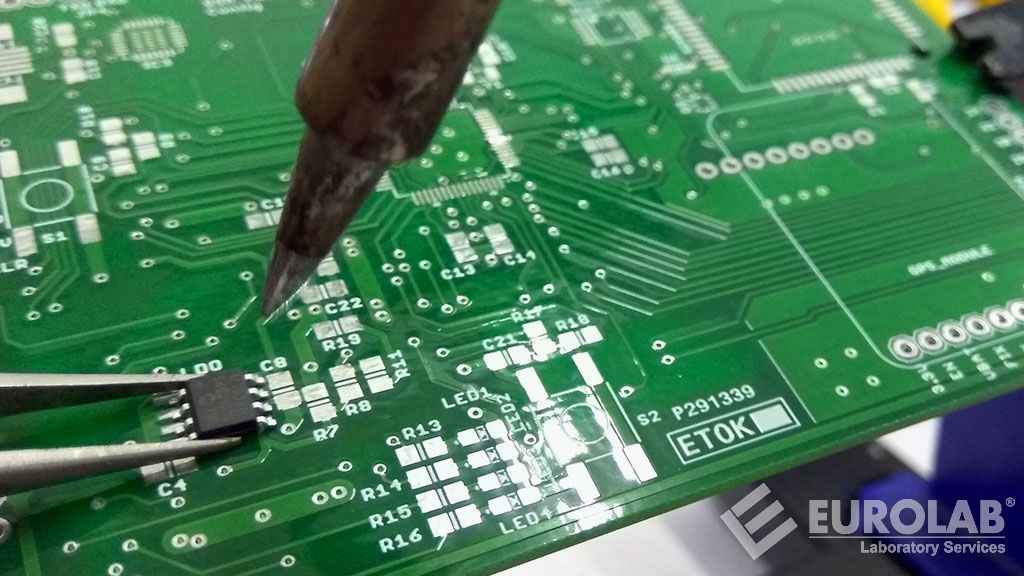
The IPC J-STD-006C standard is one of three common industry standards in this field. Two other common standards are:
The solder alloys covered by this standard are classified according to alloy composition and impurity level, solder form and solder form-specific dimensional characteristics, and flux percentage, if any. Solder alloys covered by this standard include, but are not limited to, those listed in the standard appendix, including pure tin and pure indium. The percentage of each element in an alloy is determined by any standard analytical procedure with adequate solubility. Wet chemistry is used as the reference procedure. The tolerance and impurity levels of the alloy must conform to J-STD-006. The permissible impurity level for solder alloys covered by this standard is defined within the standard itself.
The forms of solder materials covered by this standard include paste (cream), stick, powder, strip, wire and special electronic grade solders that do not fully comply with the requirements of the standard solder alloys and forms listed here. Some examples of special shaped solders are: anodes, ingots, preforms, hook and eye end rods, and multi-alloy fluxes.
Our organization, among the numerous test, measurement, analysis and evaluation studies it has given for businesses in various sectors, with its trained and expert staff and advanced technological equipment, within the scope of IPC J-STD-006C standard, electronic grade solder alloys and flux and flux for electronic soldering applications. It also provides testing services for requirements for non-solid solders.
To get an appointment, to get more detailed information or to request an evaluation, you can ask us to fill in our form and reach you.

