

A packaging system, as defined in section <661.2> of General section, “USP General chapter <659> Plastic packaging systems for drug use” published by the United States Pharmacopeia (USP), is intended to contain a medical substance, such as a pharmaceutical drug product. As such, a packaging system provides the means for the manufacture, distribution, and storage of these substances and products, and potentially for the administration of a drug product.
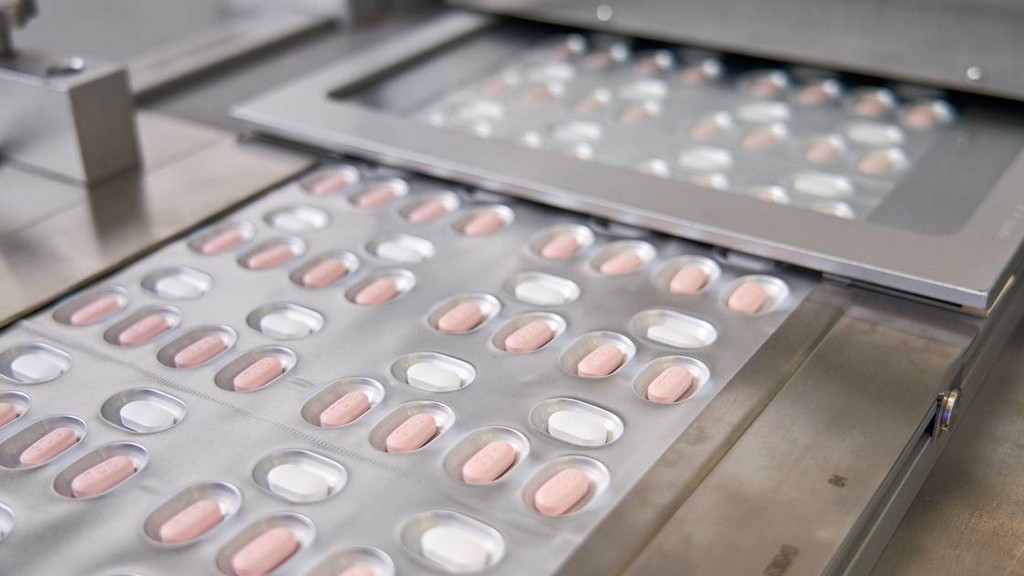
A plastic packaging system consists entirely or in significant part of plastic materials. The term plastic packaging system refers to the totality of packaging components, including closures, that together contain the pharmaceutical product. This totality of packaging components includes:
Pharmaceutical plastic packaging systems include, but are not limited to, bags, bottles, vials, ampoules, cartridges, dry powder and metered dose inhalers, prefillable syringes, blisters, pouches and their associated closures and labels, and secondary components such as print top pouches. Plastic materials commonly used in packaging systems include polyethylene, polypropylene, cyclic olefins, polyethylene terephthalate, polyethylene terephthalate G, and plasticized polyvinyl chloride.
Drug products may interact chemically with associated packaging systems or the plastics and construction components of the system while the product is being manufactured, shipped, stored, and administered. The magnitude of these interactions should not be such that the interactions adversely affect the suitability for use of the drug product or the packaging system. Although suitability for use includes various quality aspects of the packaged drug product and its performance, the aspect of suitability for use specifically addressed in this section is patient safety.
The applicant for regulatory approval of a packaging system or packaged drug product is responsible for establishing that the packaging system meets these expectations and is therefore suitable for its intended use by ensuring that the packaging system itself or the packaged drug product has been appropriately tested and the test results appropriately evaluated. A packaging system is chemically suitable for its intended use from a safety perspective if:
General section <661.2> applies specifically to plastic packaging systems and should not be applied to the materials from which plastic packaging systems are manufactured. Testing and qualification of construction materials used in packaging systems is addressed in General section <661.1>. If deemed appropriate by the applicant who owns and has obtained regulatory approval for a packaging system or packaged drug product, components of packaging systems may be tested and held accountable to these specifications by the methods provided in this section.
The test methods and specifications contained in this section have been developed for general application to plastic packaging systems. Recognizing the wide variety of constructions and packaging systems available, and recognizing possible new developments in materials and packaging systems, the publication of a test method and specification does not exclude the use of packaging systems that have been tested by different methods or comply with other specifications, where justified, subject to approval by the appropriate regulatory authority.
The main physical-chemical tests described in this section include:
At the same time, the chemical safety of the packaging system is determined based on the following tests:
In short, the tests under General section <661.2> largely mirror the physicochemical and biocompatibility aspects of General section <USP 661.1> for low-risk and high-risk healthcare product packaging, but there is an important difference. General section <661.2> involves chemical compatibility/safety assessment using comprehensive removable and leachable tests. This section is not designed to replace ISO 1663 and ISO 1664 standards, which address these test methodologies. Instead, General section <661.2>
Implementation of the USP 661.1 and USP 661.2 standards is not required until December 1, 2025. However, major pharmaceutical companies are choosing to transition now to stay ahead of compliance requirements and competition.
Among the numerous testing, measurement, analysis and evaluation studies that our organization has provided for businesses in various sectors, it also provides testing services defined in the “USP General section <661.2> Plastic packaging systems for pharmaceutical use” section with its trained and expert staff and advanced technological equipment.
To get an appointment, to get more detailed information or to request an evaluation, you can ask us to fill in our form and reach you.

