SES N 2406 Material Emission Assessment
Developed by Suzuki Motor Corporation as part of its environmental/chemical management standards, the “SES N 2406 Material Emission Assessment” standard addresses the assessment of material emissions, focusing particularly on the following aspects:
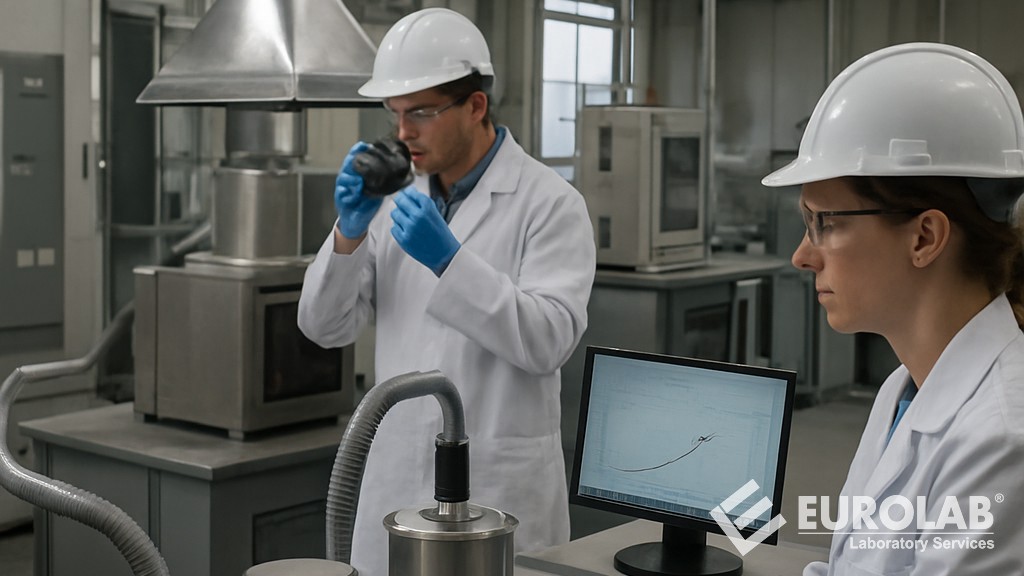
- Emission of volatile organic compounds (VOCs)
- Odor/evaporation properties (e.g., interior upholstery, plastics, textiles, adhesives)
- Gas release or emission behavior under heat/aging conditions
- Compliance tests for vehicle interiors regarding indoor air quality, cabin emissions, or environmental impact.
In general, Suzuki Engineering Standards (SES) are internal technical specifications used for suppliers, materials, parts, and processes in automotive manufacturing. These cover areas such as material properties, coatings, environmental compatibility, quality testing, and restricted substances. The SES N 2406 standard is part of Suzuki's broader green procurement and environmental management requirements for suppliers. This series of standards often deals with sensory/chemical evaluations. For example,
- SES N 2402 Environmental management / compliance with restricted substances (frequently referenced in green supply guidelines)
- SES N 2405 Sensory evaluation of smell (closely related)
- SES N 3246 Evaluation for carpet and mat materials (includes emission-related tests)
Suzuki requires suppliers to comply with the SES N 2406 standard for the approval of materials used in vehicle interiors (e.g., plastics, foams, fabrics, coatings). This is in compliance with global regulations such as the following:
- REACH: Registration, evaluation, authorization and restriction of chemicals.
- RoHS: Restriction of Hazardous Substances
- Japanese chemical control
- IMDS: International Materials Data System Reporting
According to Suzuki's green sourcing guidelines, suppliers must:
- Avoiding prohibited/restricted substances.
- Sending IMDS data
- Compliance with SES N standards (specifically SES N 2402 and SES N 2406 standards, for emissions and environmental performance)
- Passing audits or providing test reports
In short, the SES N 2406 standard is a Suzuki engineering standard focused on evaluating emissions from automotive interior materials. This standard is designed to ensure passenger comfort, safety, and compliance with environmental expectations by controlling substances released into the cabin environment.
The main objectives of the SES N 2406 standard are as follows:
- To measure volatile emissions from materials used inside vehicles.
- To prevent odor problems and harmful air pollutants.
- To ensure compliance with indoor air quality requirements.
- Supporting global regulations and original equipment manufacturer-specific limits.
The SES N 2406 standard focuses on the following emissions:
- Volatile organic compounds (VOCs):
- It contains substances such as formaldehyde, benzene, and toluene.
- It can cause irritation, headaches, or long-term health problems.
- Anti-fogging properties:
- It measures condensable emissions that settle on glass surfaces.
- It affects visibility and interior cleanliness.
- Odor emissions:
- It evaluates the intensity and acceptability of the scent.
- It is usually evaluated using panels of trained individuals.
The SES N 2406 standard includes the following main tests:
- Environmental chamber test:
- The samples are placed in a closed room.
- It is heated to simulate in-vehicle conditions.
- Air is collected and analyzed.
- Chemical analysis:
- Techniques such as gas chromatography - mass spectrometry (GC-MS) are used.
- Identifies and quantifies diffused compounds.
- Gravimetric / fogging tests
- It measures the residue left on a cooled surface.
- It is generally compliant with industry fogging standards.
The SES N 2406 standard applies to many internal components, including:
- Plastics (instrument panel, coatings)
- Textiles and carpets
- Adhesives and sealants
- Foams and insulation materials
- Coatings and paints
The SES N 2406 standard is important because modern vehicles are enclosed spaces, and even small emissions from materials can accumulate and directly affect occupants. This standard ensures that emissions are checked before the vehicle reaches the customer. This standard is considered necessary for the following reasons:
- Protects passenger health: Interior materials (plastics, adhesives, foams) can release volatile organic compounds (VOCs) over time. Without rigorous assessment:
- Passengers may inhale harmful chemicals.
- Exposure may lead to headaches, irritation, or long-term risks.
This standard ensures that emissions are measured and kept within safe limits.
- It protects indoor air quality: Vehicle cabins are particularly sensitive environments:
- Limited ventilation compared to open spaces.
- Heat accumulation increases emission rates.
By controlling emissions, the SES N 2406 standard helps maintain good cabin air quality, especially in hot climates or on long journeys.
- Prevents unpleasant odors: New cars often develop a chemical odor due to material emissions. This standard:
- Identifies the compounds that cause odor.
- It works in conjunction with fragrance standards to provide a neutral or acceptable scent.
This directly affects customer satisfaction and perceived quality.
- It ensures material quality and consistency: Different batches of the same material can behave differently. This standard...
- It standardizes test conditions.
- Ensures consistent emissions performance among suppliers.
This reduces variability in production.
- Supports environmental and regulatory compliance: Global regulations are becoming increasingly stricter regarding VOC emissions.
- Most principles have established indoor emission limits.
- Original equipment manufacturers must demonstrate compatibility.
- This standard helps to ensure compliance with these expectations and avoid regulatory issues.
In conclusion, the SES N 2406 standard is a critical standard for material emission control in automotive interiors and guarantees that components meet the following requirements:
- Low levels of harmful substances released.
- Maintaining an acceptable odor.
- It should not jeopardize passenger safety or comfort.
For many years, our organization, with its competent and experienced team, has been understanding the needs of its clients, providing the advanced testing services they require, and assisting them in the establishment, implementation, and improvement of management systems. Within this framework, we also provide testing services compliant with the SES N 2406 standard.



