

In the standard “PSA D45 1215 Trim materials - Water content” developed by the French automobile company Renault, the purpose of the test method described is to determine the water content of trim materials such as textiles, felt, cotton, chipboard, fibreboard, paper and all materials in the form of boards or sheets, upon receipt or after 24 hours of conditioning in a conditioned room.
Trim is a general term for the edging material used to cover seams around doors and windows, between floors, and in walls or ceilings. Car trim types or levels refer to different groups of features pre-packaged for a particular car. The base model is the least expensive, standard offering that includes the fewest features. Higher trim levels are generally more costly and include additional features, technology, and performance improvements.
In principle, this test is performed by heating the material to be tested in an oven to remove the water in it.
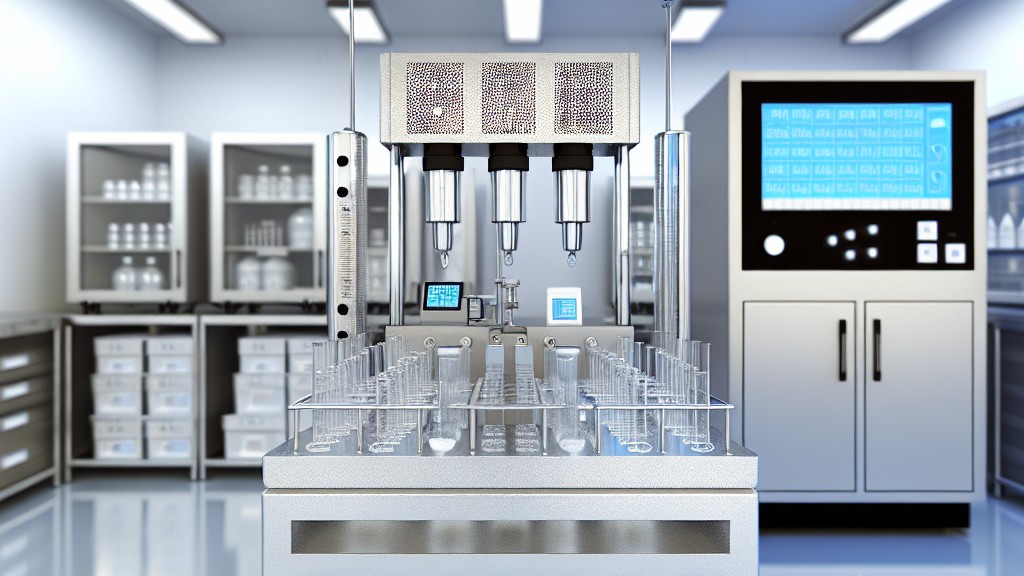
The equipment used in these tests includes:
Test samples should be representative of the size to be characterized. To ensure this representation, it is necessary to find the basic characteristics of the population under study. Selection criteria for test samples should be stated in the test report in accordance with the PSA A10 0156 standard. In case of doubt about sampling, PSA should be contacted for the rules to be followed.
When preparing test samples, five test samples are taken with dimensions of 100 mm plus/minus 0,5 mm X 100 mm plus/minus 0,5 mm using cutting tools. Sampling is carried out after receipt of the material or after conditioning in the room for 24 hours, according to the details specified in the documents.
When performing the test, each test tube is weighed using a balance. The mass of each test tube is noted. The test samples are placed in a ventilated oven for 24 hours plus 0 minus 1 hour. The test samples are placed in a desiccator immediately after being removed from the ventilated oven, so that moisture recovery is limited until weighing. Each test tube is removed from the desiccator one by one and weighed again. The mass of each test tube is noted.
When expressing the results, the water content expressed as a percentage is equal to the arithmetic mean of the mass gaps (M0 - M1) expressed as a percentage calculated for each test tube. Accordingly,
The format and minimum contents of the test report are defined in the PSA A10 0156 standard. In addition to the results obtained, the test report must also include:
Our organization has a strong staff that closely follows the developments in the world in the field of science and technology and constantly improves itself. Among the numerous test, measurement, analysis and evaluation studies provided for businesses in various sectors, there are also testing services in accordance with the "PSA D45 1215 Trim materials - Water content" standard.
To get an appointment, to get more detailed information or to request an evaluation, you can ask us to fill in our form and reach you.

