

The “VW TL 591 Lamp covers made of organic glass - Material requirements” standard, developed by the Volkswagen automotive company, describes the requirements for lamp covers made of organic glass, for example, for brake lights, turn signals, rear position lights, parking lights, and reverse lights.
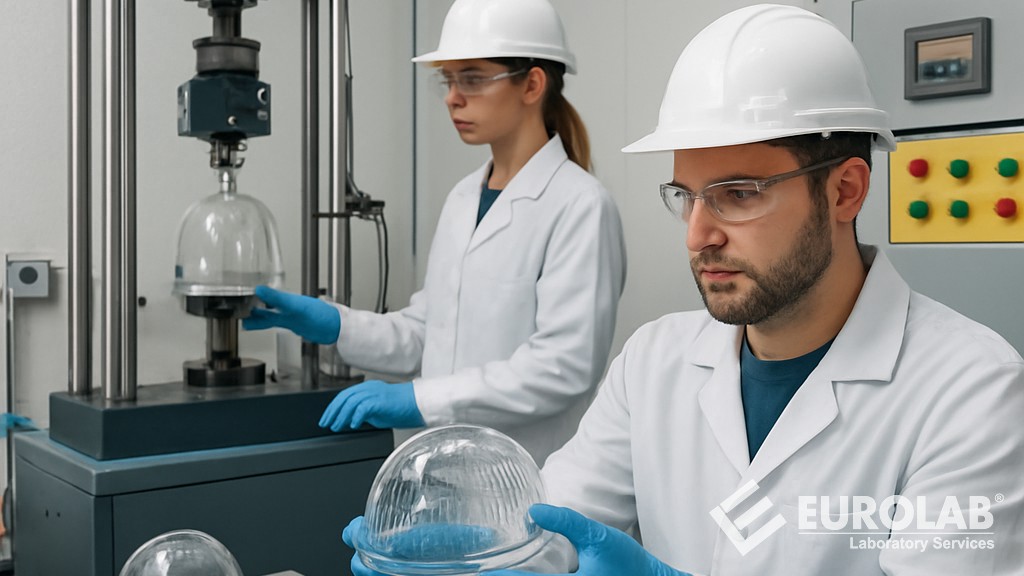
This standard defines material requirements and test criteria for external lenses (covers) made from organic glass (plastics such as polycarbonate or polymethyl methacrylate) used in vehicle exterior lighting components.
The VW TL 591 standard applies to transparent or translucent outer lenses of the following types of lights:
The aim of this standard is to ensure that these plastic lenses meet stringent performance, durability, and safety standards for automotive use. Organic glass is preferred over traditional mineral glass in modern vehicles due to its lighter weight, impact resistance, design flexibility, and ability to integrate complex shapes.
The basic requirements in this standard are described as follows:
Materials such as polycarbonate or polymethyl methacrylate must pass a series of standardized tests to be approved for use in Volkswagen Group vehicles.
In modern automobiles, headlights, taillights, and turn signals are critical safety features. Lenses protect the bulbs/LEDs while allowing light to pass through effectively. Poor quality materials can yellow, crack, fog up, or lose clarity over time due to exposure to sunlight, temperature changes, or road chemicals. This can lead to reduced visibility, failure of inspections, or safety risks. The VW TL 591 standard helps ensure consistently high quality among suppliers.
This standard is part of Volkswagen’s broader set of technical delivery terms (TL) specifications, covering thousands of components and materials.
In short, the VW TL 591 standard is a material specification that defines the requirements for organic glass (transparent plastics) used in automotive lighting systems. These materials are essential components in vehicle lights such as headlights, taillights, turn signals, and reflectors. This standard ensures that materials used in lighting units meet the stringent performance, durability, and safety criteria required in automotive applications.
The VW TL 591 standard applies primarily to the following thermoplastic optical materials:
These materials are used in the following areas:
This standard covers material requirements for organic glass used in lighting units, as an alternative to traditional glass.
The VW TL 591 standard essentially defines three categories:
These classifications reflect different performance levels, particularly in terms of mechanical strength and environmental resistance.
This standard specifies a wide range of material and performance requirements, including:
Materials should generally undergo standardized tests that comply with ISO and DIN standards. For example,
In addition, the materials must also comply with Volkswagen's broader standards. For example,
The VW TL 591 standard has evolved over the years and undergone numerous revisions. Recent updates include:
This standard is considered important for the following reasons:
Without this standard, lighting components can degrade rapidly, leading to reduced visibility and potential safety risks.
In conclusion, the VW TL 591 standard is a key Volkswagen material specification that regulates plastic optical materials for automotive lighting systems. By defining stringent requirements for performance, durability, and environmental resistance, it ensures that vehicle lighting components remain safe, reliable, and visually consistent throughout their service life.
For many years, our organization, with its competent and experienced team, has been understanding the needs of its clients, providing the advanced testing services they require, and assisting them in the establishment, implementation, and improvement of management systems. Within this framework, we also provide testing services compliant with the VW TL 591 standard.
To get an appointment, to get more detailed information or to request an evaluation, you can ask us to fill in our form and reach you.

