

The European standard “EN 1928 Flexible sheets for waterproofing - Bitumen, plastic and rubber sheets for roof waterproofing - Determination of waterproofing” describes a procedure used to determine the waterproofing of flexible sheets used in roof waterproofing. This standard applies to bitumen, plastic and rubber waterproofing sheets and provides a standardized method for evaluating whether a sheet can prevent water from passing through under a given water pressure.
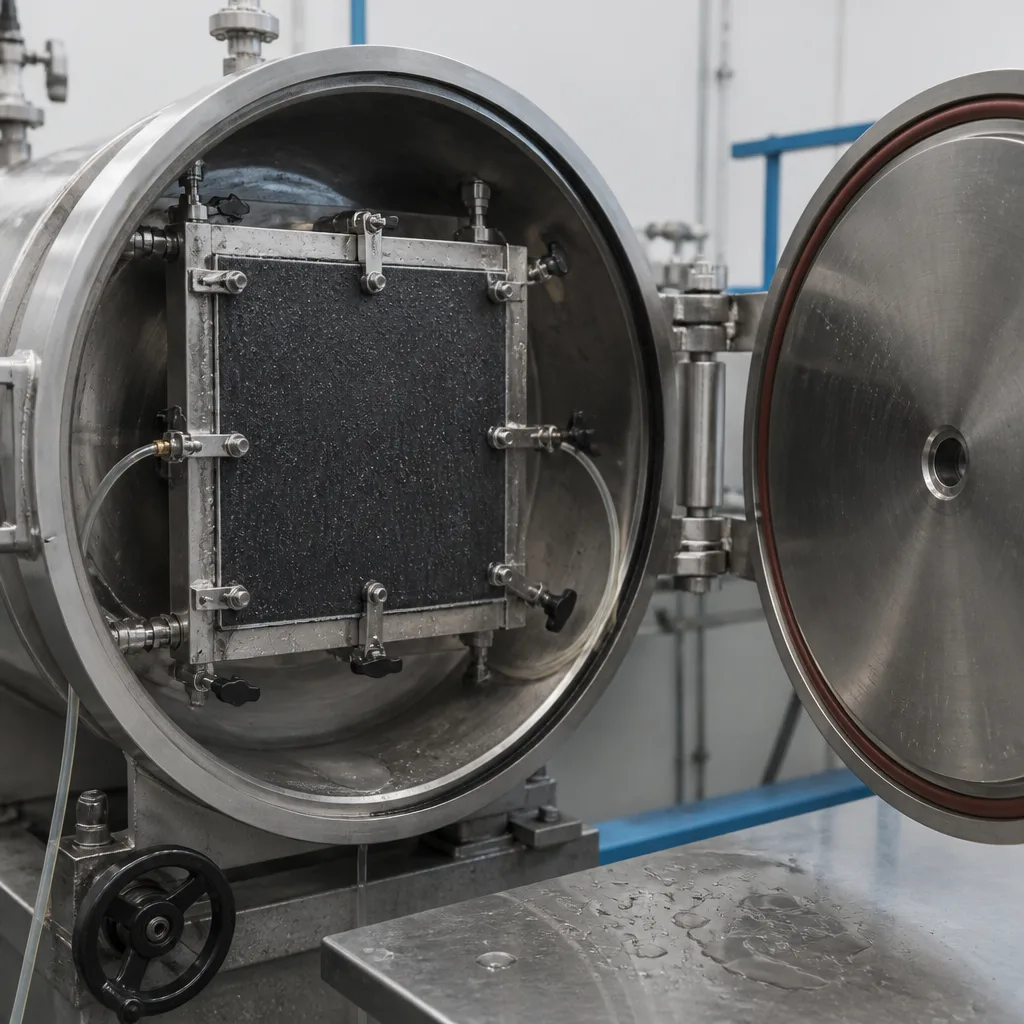
The EN 1928 standard is particularly important in roofing and building construction because waterproofing membranes are exposed to rainwater, standing water, and other sources of moisture. A failure in waterproofing can allow water to penetrate the building structure, leading to insulation damage, corrosion, mold growth, and deterioration of structural components.
The EN 1928 standard is used as a test method within the broader European standards for flexible waterproofing boards. This standard addresses flexible waterproofing boards made from the following materials:
The main characteristic evaluated is water resistance (the ability of the waterproofing board to resist water ingress when subjected to a certain pressure). This test is designed for boards used in roof waterproofing applications, rather than evaluating the overall performance of an installed roof system.
Waterproofing describes the ability of a material or membrane to prevent water from passing through it. For a roofing membrane, good waterproofing means that water remains on the intended exterior of the membrane, rather than entering through defects, pores, weak areas, or other means. This property differs from water vapor permeability. Water vapor permeability concerns the movement of water vapor through a material and is addressed by standards such as EN 1931. The EN 1928 standard, on the other hand, focuses instead on resistance to liquid water penetration.
The EN 1928 standard offers two approaches, commonly referred to as Method A and Method B. These methods provide different test arrangements for evaluating the waterproofness of flexible sheets. The appropriate method depends on the type of waterproofing product and its intended use. For example, product standards for reinforced bitumen sheets might specify EN 1928 using Method A or Method B with a water pressure of 10 kPa (0,1 bar) and a penetration requirement.
For some plastic and rubber sheets used in roof waterproofing, EN 1928 standard Method B specifies a pressure of 10 kPa (0,1 bar) and the sample must yield a pass-through result.
Therefore, rather than assuming that every application of the EN 1928 standard uses the same conditions, the precise configuration and acceptance requirements of the test should always be taken from the relevant product standard or specification.
The basic concept in the tests is to expose a prepared waterproofing board sample to water under controlled pressure and then determine whether the water passes through the sample. A typical evaluation includes:
Detailed sample dimensions, device configuration, pressure application, duration, and evaluation criteria are included in the EN 1928 standard.
The EN 1928 standard is important because waterproofing is one of the essential functional requirements for roof waterproofing membranes. A membrane may have good tensile strength and elongation, but may still be unsuitable for a roof if it allows liquid water to pass through. This standard provides a standardized way to evaluate this critical property. This testing helps manufacturers and users by:
The EN 1928 standard is generally used in conjunction with other European standards, rather than evaluating a waterproofing board in isolation. For example,
For example, the EN 13956 standard for plastic and rubber roofing sheets refers to the EN 1928 standard for waterproofing, while using other standards for properties such as tensile strength, impact resistance, static load, and water vapor properties.
The EN 1928 standard applies to many waterproofing products used in construction. These include:
This standard is also referenced by other European standards relating to specific waterproofing products and applications. For example, the EN 14692 standard refers to the EN 1928 standard regarding waterproofing sheets used for concrete bridge decks and similar applications.
Waterproofing is just one of the performance characteristics specified in the EN 1928 standard. Actual roof performance can also depend on:
Therefore, the EN 1928 standard should be considered as part of a broader product performance assessment.
In short, the basic purpose of the EN 1928 standard is simple: to determine whether a waterproofing membrane can prevent the passage of liquid water under specified test conditions. Therefore, this standard is a key component of the European test framework for roofing membranes and is frequently referenced in product standards for plastic, rubber, and reinforced bitumen waterproofing sheets.
For many years, our organization, with its competent and experienced staff, has been understanding the needs of its clients, providing the advanced testing services they require, and assisting them in the establishment, implementation, and improvement of management systems. Within this framework, we also provide testing services in accordance with the EN 1928 standard.
To get an appointment, to get more detailed information or to request an evaluation, you can ask us to fill in our form and reach you.

