

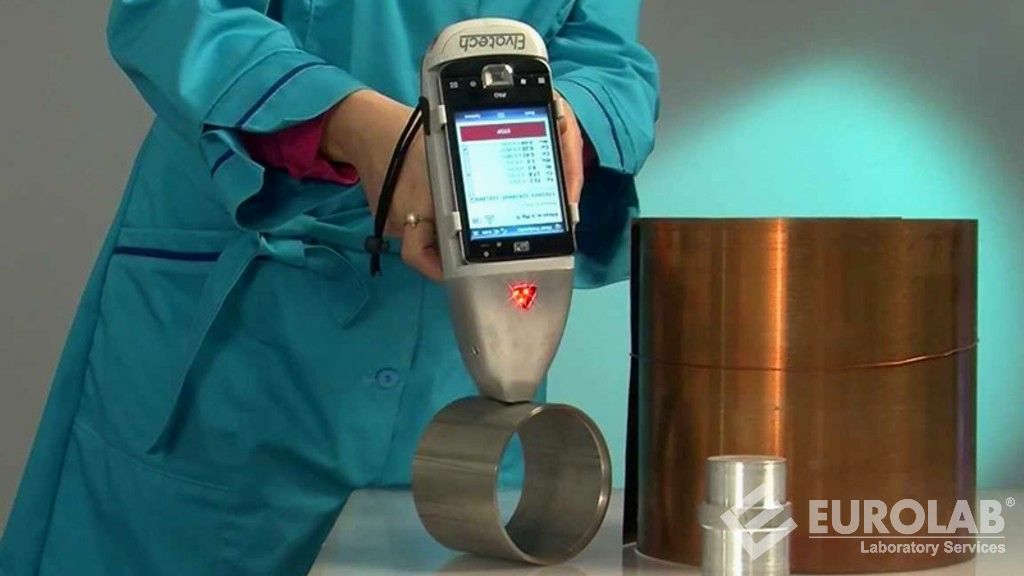
XRF (X-ray fluorescence) technique is a non-destructive analytical technique used to determine the elemental composition of materials. With this technique, XRF analyzers are excited by a primary X-ray source and the chemistry of a sample is determined by measuring the X-ray fluorescence emitted from a sample. Each of the elements present in a sample produces a set of characteristic X-ray fluorescence that is unique to that specific element. Therefore, XRF spectroscopy is recognized as an excellent technology for qualitative and quantitative analysis of material composition.
Most atoms have several electron orbits. When X-ray energy causes electrons to move in and out of these orbital levels, XRF peaks of varying intensities are created in the spectrum. The peak energy identifies the element, and the peak height or intensity is generally indicative of its concentration.
This method is used in various industries for:
During analysis, the analyzer emits a directed beam of radiation when the tube is energized. Reasonable efforts should be made to keep radiation exposure as far below the dose limits as possible. Three factors that minimize radiation exposure are: time, distance and protection.
Our organization also provides material content analysis services with XRF technique, with its trained and expert staff and advanced technological equipment, among the numerous test, measurement, analysis and evaluation studies it provides for businesses in various sectors.
To get an appointment, to get more detailed information or to request an evaluation, you can ask us to fill in our form and reach you.

