

The IPC-J-STD-001H standard, published by the Printed Circuits Institute (IPC), a trade association established to standardize the assembly and production requirements of electronic equipment and assemblies, is recognized all over the world for its criteria on soldering processes and materials. This standard brings the industry the latest criteria, including guidance for the use of X-rays to inspect through-hole soldering conditions that cannot be seen anywhere else.
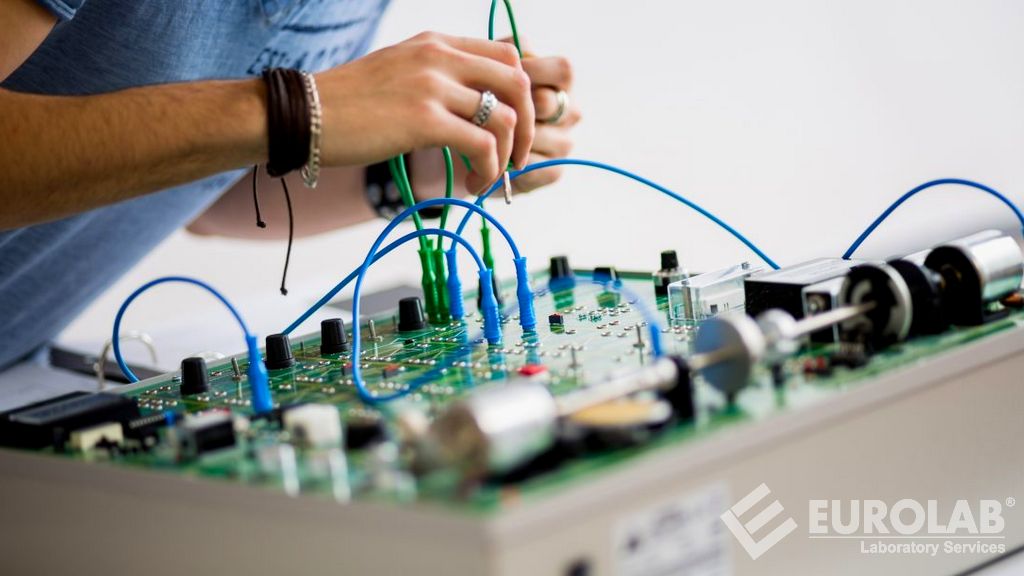
The IPC-J-STD-001H standard is an indispensable standard for manufacturers in the electronics industry who are interested in the process and acceptance criteria for electrical and electronic assemblies. This standard was developed in synergy with the IPC-A-610 standard and is supported by the IPC-HDBK-001 standard for those who want additional information and clarification on the requirements. These are standards used together.
Topics covered by this standard are:
In short, this standard, designed for soldered electrical and electronic assemblies, defines material properties, process requirements, and acceptability criteria. This standard is an industrial specification for electronic and electrical assemblies grouped by product class. Electronic products are divided into three groups according to manufacturability, performance requirements, process control regulations and verification tests:
The IPC-J-STD-001H standard is required to establish industry best soldering practices. It ensures the highest quality and reliability of the product under certain environmental conditions. This standard outlines materials, methods and verification criteria for making high quality soldered interconnects (leaded and lead-free).
Among the numerous tests, measurements, analyses, and evaluations our organization provides for businesses in various sectors, we also offer testing services for soldered electrical and electronic assemblies in accordance with the IPC-J-STD-001H standard, utilizing a trained and expert staff and advanced technological equipment.
To get an appointment, to get more detailed information or to request an evaluation, you can ask us to fill in our form and reach you.

